
 EN
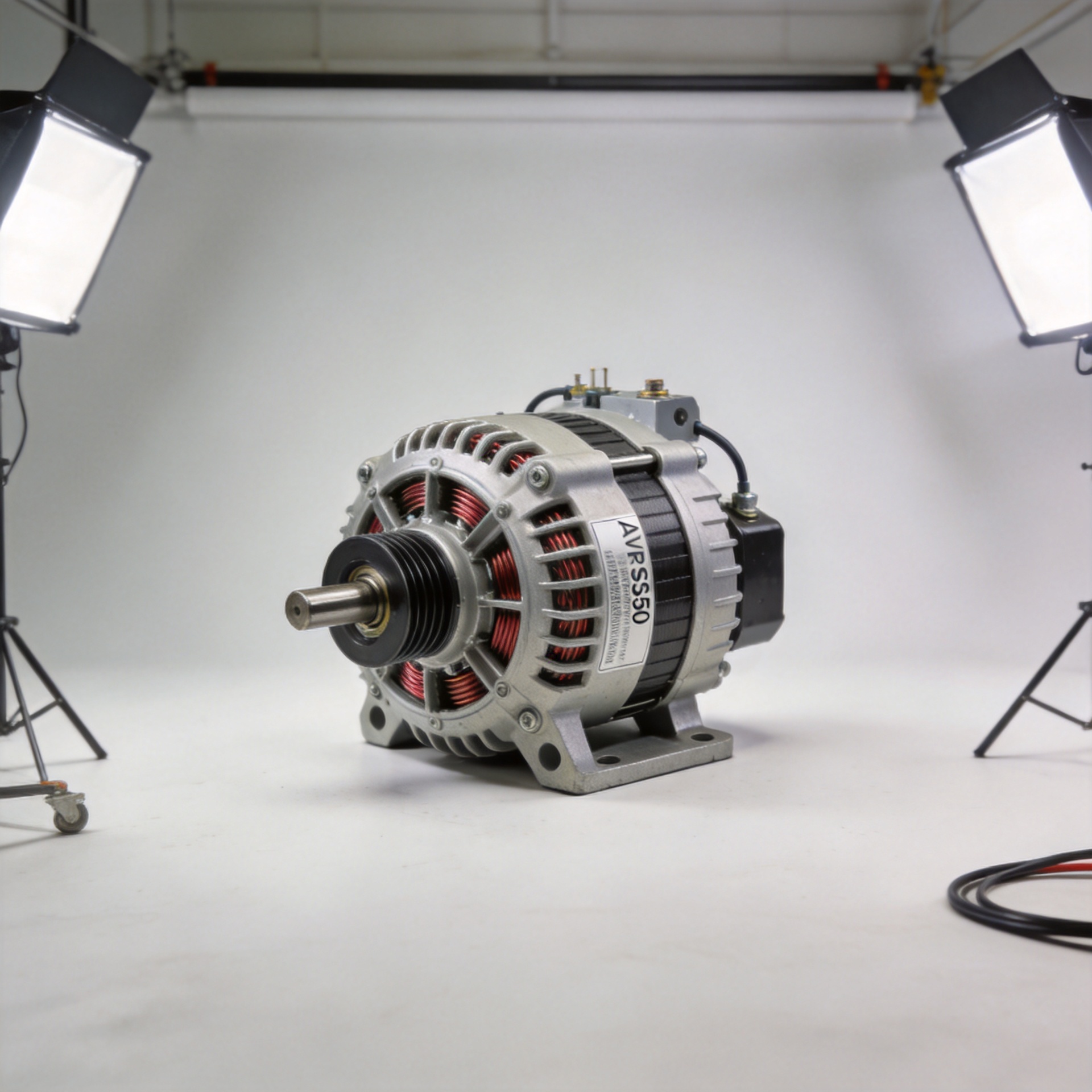
SE350 AVR: Stamford Alternator Compatibility Guide
If you are sourcing or specifying an AVR SE350 for a generator project, one of the first questions that comes up is whether it will work with your Stamford alternator. The SE350 AVR is widely used in both Marathon Electric and Stamford alternator applications, yet compatibility is not automatic; it depends on your alternator's sensing input range, excitation burden, and terminal wiring layout. As a specialist in generator control components, I find that specification mismatches at the AVR level are one of the most predictable sources of field failures for wholesale buyers and system integrators.
This guide covers how the AVR SE350 works, where it fits within the Stamford alternator range, how it compares with models such as the SX440, SX460, AS440, R120, and R450 across different power segments, and what procurement teams should verify before placing a volume order.
How the SE350 AVR Works
An automatic voltage regulator maintains generator output voltage by adjusting the excitation current to the exciter field. When load conditions change, the AVR detects the voltage deviation and corrects it within milliseconds. Without this regulation, voltage would swing unpredictably: either too high, damaging connected equipment, or too low, causing frequency instability.
The AVR SE350 is a fully encapsulated, self-excited voltage regulator built for brushless AC generators. Published electrical specifications include:
- Sensing and power input: 190–240 V AC
- Excitation burden: 500 VA
- Continuous DC output: 73 V DC
- Physical dimensions: approximately 3.94 × 2.66 × 2.2 inches (L × W × H)
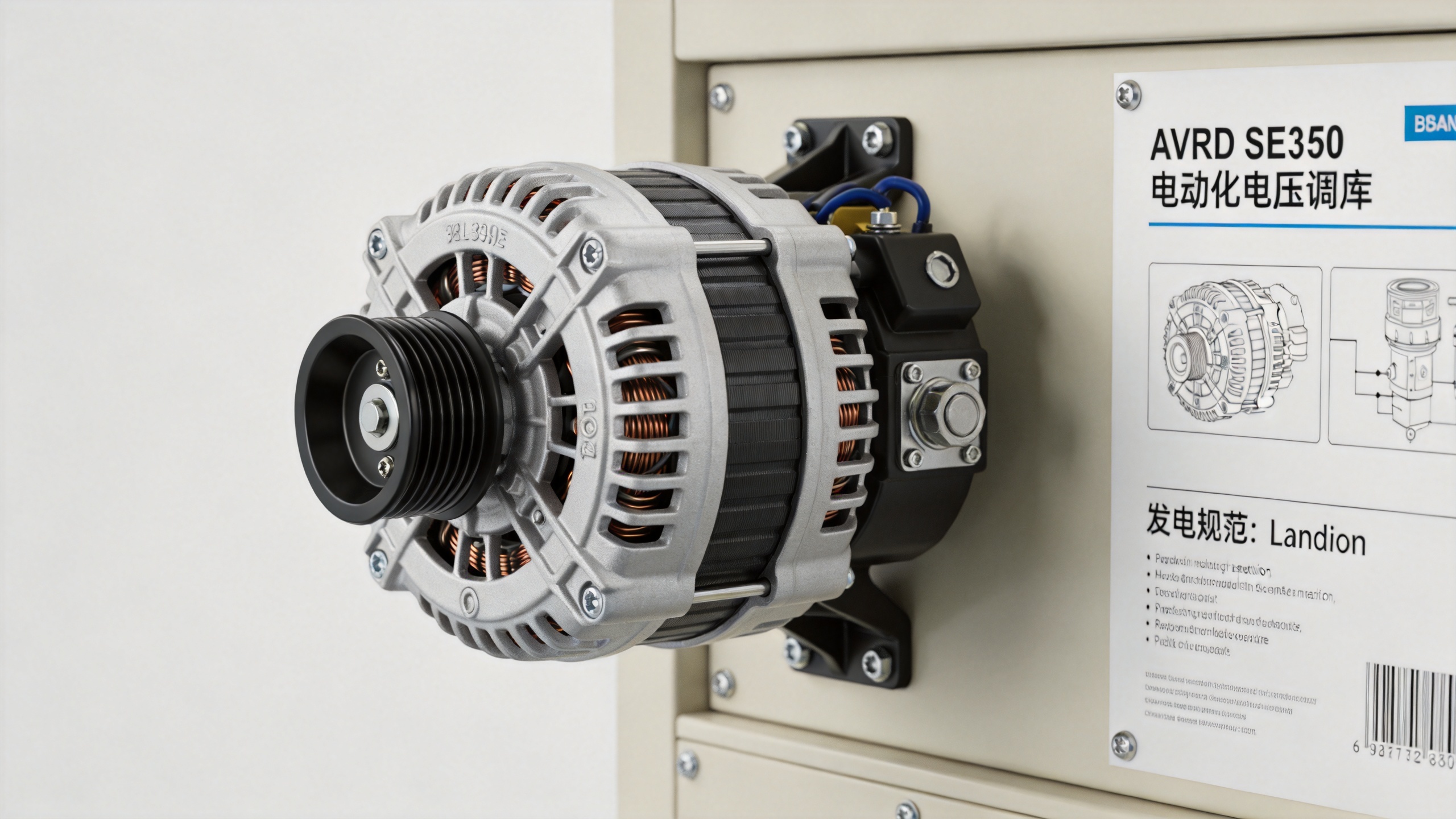
The encapsulated design of the SE350 AVR provides basic protection against moisture and dust, though ambient temperature and vibration levels at the installation point still affect long-term component life. This is a relevant consideration when the AVR is mounted near the generator exhaust manifold or in high-vibration panel positions.
SE350 AVR Compatibility with Stamford Alternators
The AVR SE350 is frequently listed as compatible with Stamford alternators in aftermarket supply channels. Whether that compatibility holds in your specific installation depends on three factors:
- Sensing voltage range: The SE350 AVR requires 190–240 V AC at the sensing input. Verify that your Stamford alternator's sensing output — measured at rated load — falls within this range. Some Stamford frames produce sensing voltages outside this window depending on winding configuration.
- Excitation burden: The AVR SE350's 500 VA burden rating suits small to mid-range alternator frames. Higher-power frames with greater excitation demands may exceed this specification.
- Terminal wiring layout: The SE350 AVR uses a specific terminal arrangement for sensing input, power input, and field output. Cross-referencing the wiring diagram against your alternator's exciter terminals before installation is essential — assumed cross-compatibility without terminal verification is one of the most common installation pitfalls in the AVR replacement market.
SE350 AVR vs. SX440, SX460, AS440, R120, and R450
Procurement teams managing multiple alternator families regularly need to compare the AVR SE350 against standard Stamford AVRs and other models in the same power segment. The following comparison is based on published specifications:
| Model | Typical Application | Input Range | Key Notes |
|---|---|---|---|
| AVR SE350 | Marathon / Stamford mid-range | 190–240 V AC | Encapsulated; 500 VA burden; 73 V DC continuous output |
| SX440 | Stamford alternators ≤63 kVA | Varies by frame | Older lower-power variant; still widely stocked for field replacement |
| SX460 | Stamford legacy installations | 12–180 V AC | Obsolete; formally superseded by the AS440 |
| AS440 | STAMFORD S4 series and above | 10–160 V AC | Current Stamford standard; 2-phase sensing; wider input range than SE350 |
| R120 | Diesel genset AVR applications | Per datasheet | Digital genset AVR; suitable for installations requiring circuit diagram documentation |
| R450 | Higher-power generator applications | Per datasheet | For larger frames requiring higher excitation output |
When selecting an avr dg (AVR for a diesel generator) to replace an SX460, note that the SX460 accepts a broader sensing input range (12–180 V AC) compared to the SE350 AVR's 190–240 V AC window. Substituting the SE350 AVR in an SX460 application requires confirming the alternator's actual sensing output at load — voltage rating mismatch is one of the leading causes of AVR performance issues in these replacements.
Procurement Checklist for Wholesale and Brand Buyers
Sourcing the SE350 AVR at volume requires a different evaluation framework than single-unit retail purchasing. The following criteria reflect what typically matters most to wholesale buyers and brand buyers:
- Compatibility documentation: Request wiring diagrams and alternator cross-reference data specific to your frame models. A manufacturer-direct supplier should provide this without requiring a separate technical request cycle. For the AVR SE350 in particular, the sensing input range narrowness means documentation is not optional.
- Voltage stability over service life: AVR voltage drift is an observable phenomenon in both OEM and aftermarket units over extended operation. Ask about component sourcing standards and batch-level quality controls, not just general product certifications.
- Replacement cost vs. service interval: A lower-unit-cost SE350 AVR with an 18-month service life may carry higher total ownership cost than a higher-specification unit designed for a 3- to 5-year replacement cycle. Factor this into volume pricing negotiations.
- Thermal environment: If the AVR SE350 will be mounted near the generator exhaust manifold, confirm the thermal rating of the encapsulated housing. High ambient temperatures accelerate component degradation in encapsulated AVR designs.
- Multi-model availability: Brand buyers managing multiple alternator families benefit from suppliers who carry the AVR SE350 alongside the AVR EM10, GAVR-8A, GAVR-12A, and other compatible units. Consolidating AVR procurement under a single specialist supplier reduces sourcing overhead and ensures consistent technical support.
Installation Wiring and Common SE350 AVR Faults
Correct AVR SE350 installation starts with the terminal diagram. A frequently seen installation error is connecting both sensing and power inputs from the same winding phase; this creates a feedback path that causes hunting behavior under changing load. Verify terminal assignments against the published wiring schematic for your specific alternator frame before installation.
Common field faults reported with the SE350 AVR include:
- No output voltage at startup: Typically indicates an excitation loss event, a failed diode in the rectifier bridge, or incorrect sensing input wiring at the AVR SE350 terminal block.
- Voltage hunting under load: Check stability and droop adjustment settings; verify sensing input is within the 190–240 V AC specification at rated load.
- Thermal failure in enclosed installations: Most common when the AVR SE350 is installed near the generator exhaust manifold without adequate ventilation clearance.
- Intermittent voltage collapse: Often caused by connector wear at the SE350 AVR terminal connections in high-vibration applications. Re-torque and inspect terminals at each scheduled maintenance interval.
AVR Products for Diesel Generator Applications
For procurement teams sourcing AVRs across diesel generator families, the following products from Populace Electronic Co., Ltd. provide verified specifications with direct manufacturer availability:
- AVR for Power Generator R120 — Diesel Generator Circuit Diagram AVR, Digital Genset AVR: Digital genset AVR designed for diesel generator applications with factory-direct pricing and circuit diagram documentation.
- Universal Generator AVR: GAVR-8A — High Quality Automatic Voltage Regulator, Exciter Control Unit: Suitable for brushless alternator exciter control where SE350 AVR specifications do not match the alternator's sensing requirements.
- GAVR-12A Brushless AVR — Genset Spare Part, Automatic Voltage Regulator: For brushless AVR applications requiring higher excitation capacity than the standard SE350 AVR output rating provides.
Populace Electronic Co., Ltd. maintains a focused product line in generator control components — AVRs, governors, and genset replacement parts — rather than broad industrial equipment. For wholesale and brand buyers, direct manufacturer supply eliminates additional sourcing layers and provides access to technical documentation for your specific alternator compatibility requirements. The Populace Alibaba store at populaces.en.alibaba.com provides a verified international sourcing channel for AVR procurement at volume.






