
 EN

How to Supply Speed Control Units for Cummins Genset Applications?
Supplying a speed control genset cummins solution is not simply a matter of matching a familiar part number. For a distributor, OEM panel builder, or maintenance contractor, the job is to confirm how the controller, actuator, speed pickup, fuel system, and load profile work together. A unit that appears similar in a catalog can still create an avoidable installation delay if its power supply, signal range, connector arrangement, or response settings do not fit the actual engine configuration.
From a genset-integrator perspective, a dependable speed control genset cummins supply process starts with the system, not with the quotation. The buyer needs a documented match between the engine model and serial range, the existing controller or actuator reference, the application duty, and the commissioning plan. That approach makes it easier to source a cummins electronic governor or replacement control assembly with fewer surprises after delivery.
Start With the Actual Application, Not the Brand Name
A Cummins nameplate alone does not define a speed control genset cummins requirement. The same engine family may appear in standby, prime-power, mobile, or retrofit applications, each with different operating conditions and control interfaces. Before proposing a unit, request the engine model, serial range, original controller and actuator numbers, genset rating, rated frequency, site voltage, and a clear photo of the existing wiring and connector layout.
That information matters because a speed control genset cummins package is a control loop. The controller reads engine-speed feedback, compares it with the target speed, and drives the actuator to regulate fuel delivery. A mismatch in any part of that loop can lead to no start, unstable speed, overshoot, or poor recovery when a load is applied. The specification sheet may identify a controller family, but it may not reveal whether the installed harness and actuator interface match.
One common procurement mistake is ordering by engine brand only. The safer rule is to treat a part number as a starting point, then verify its application against the engine serial range and the installed hardware. This is especially important when a buyer requests a cummins genset speed controller for a replacement job where the original unit may have been changed during an earlier repair.
Build a Compatibility Record Before You Quote
A repeatable speed control genset cummins record should include the following items:
- Engine identity: engine model, serial range, and rated speed/frequency.
- Existing component identity: controller, actuator, and magnetic pickup part numbers or clear label photos.
- Electrical interface: controller supply voltage, actuator coil requirements, pickup signal requirements, and connector or terminal layout.
- Operating duty: standby or prime operation, expected load steps, parallel operation if applicable, and environmental conditions.
- Mechanical checks: actuator mounting, linkage travel, return-spring arrangement, and harness condition.
This list makes a speed control genset cummins quotation more useful than a generic cross-reference. It also gives both parties a written baseline for resolving questions before a sample or production batch ships. If a controller manual specifies a cranking pickup-signal threshold, for example, the supplier should ask the buyer to confirm the installed pickup can meet that requirement rather than assume all sensors behave alike.
Choose the Control Architecture for the Job
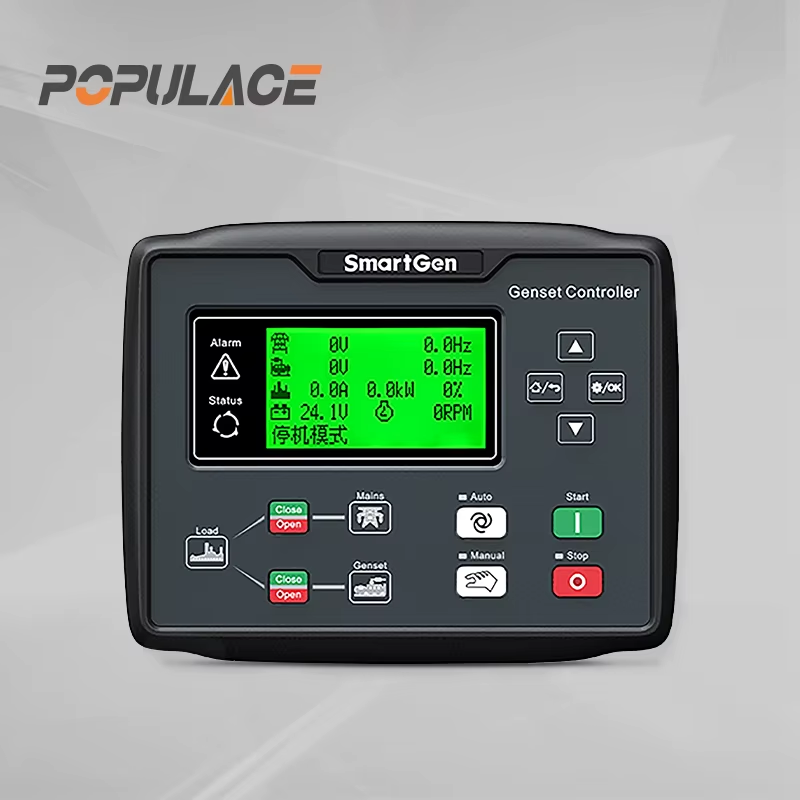
Buyers often use the terms governor, controller, and actuator interchangeably, but they should be separated during selection. A cummins electronic governor system generally includes an electronic controller, a speed sensor or magnetic pickup, and an actuator. The controller itself is not necessarily a complete replacement solution unless the other parts of the loop are known to be compatible.
For a standard fixed-speed generator set, a speed control genset cummins solution may prioritize stable rated frequency and sensible droop adjustment. For sets exposed to changing motor loads, fast but controlled recovery becomes more important. Faster response is not automatically better: aggressive settings can create speed overshoot or hunting when the engine, actuator, linkage, and load characteristics are not tuned as a system.
That is where cummins engine speed control decisions become practical rather than theoretical. Ask whether the buyer is replacing one failed component, rebuilding a control loop, or stocking several compatible configurations for resale. A field replacement needs a close interface match; a distributor stocking program needs clear segmentation by engine family and verified interchange data.
Set a Supply Workflow That Supports B2B Buyers
A good speed control genset cummins supply workflow has four stages: technical review, sample confirmation, production documentation, and repeat-order control. During review, share the buyer's photos and identifiers with the technical team and confirm any open questions in writing. During a sample order, verify fitment, wiring, and no-load operation before committing to volume.
For production orders, include the agreed model reference, quantity, packaging expectations, and documentation list in the order confirmation. Generator-control components deserve anti-static and impact-resistant packaging, particularly when international freight is involved. A supplier that specializes in governors, AVRs, controllers, and generator parts can make this workflow more efficient by keeping compatibility questions within the same product category instead of treating the request as a generic electronics order.
For buyers considering a cummins generator governor actuator, it is reasonable to request the actuator model, mounting details, cable or terminal requirements, and any available wiring diagram before release. It adds a small step at the beginning of the process, but it can cost far less than correcting a mismatch after a shutdown window has been scheduled.
Commission the Unit Rather Than Assuming It Is Ready
After delivery, the speed control genset cummins process continues through commissioning. First inspect the wiring, grounding, pickup gap or signal, actuator movement, linkage freedom, and fuel-system condition. Next, start the engine without load and confirm that it reaches the specified rated speed without abnormal hunting. Then apply controlled load changes and observe stability, recovery, and temperature behavior.
If speed instability remains after a controller replacement, do not assume the new controller is defective. Worn linkage, air leaks, fuel contamination, poor sensor signal, or connector resistance can create symptoms that resemble a governor fault. A disciplined speed control genset cummins handover should record the installed part reference, baseline settings, test observations, and any adjustment limits provided by the applicable manual.
Questions to Send With an RFQ
To receive a useful speed control genset cummins proposal, send these details in one request: engine model and serial range; original controller and actuator references; rated speed and frequency; application type; photos of labels, terminals, and linkage; required quantity; destination; and whether you need a trial order, private-label packaging, or repeat supply. This turns an open-ended inquiry into an actionable technical review.
Fujian Kaiyue Electronics Co., Ltd. supplies generator control components, governors, actuators, AVRs, and related parts for wholesale and brand buyers. For Cummins-compatible requirements, the most productive next step is a documented compatibility review before the final model is confirmed. It protects the buyer's installation schedule and creates a clearer basis for future replenishment.
Final Checklist
The strongest speed control genset cummins sourcing decision combines application data, interface verification, sample validation, and a practical commissioning record. Confirm the engine and installed components, match the controller and actuator as a loop, qualify the supplier's documentation and packaging process, and test the completed system under appropriate load conditions. This is what turns a purchase into a workable supply solution rather than a replacement-part shipment.





