
 EN
Generator Parts: Key Components and Their Functions
For a distributor or service contractor, understanding the parts of generator is more than a training exercise. It is the basis for quoting the correct replacement, preventing repeat visits, and holding stock that keeps customers running. A diesel generator set combines an engine, alternator, fuel and cooling systems, and a control layer that monitors and manages the whole package. The control-side components—controller, AVR, governor, actuator, solenoid, sensors, and battery charger—are often where a small specification mismatch creates an expensive outage.
From a procurement standpoint, a parts list should not be treated as a universal shopping list. The right component depends on the engine and alternator model, voltage and sensing arrangement, wiring interface, control logic, operating environment, and serial or build range. This guide explains the key components, what they do, and how B2B buyers can source them with fewer compatibility surprises.
The main parts of generator systems
Engine, fuel system, and starting circuit
The engine converts fuel energy into mechanical rotation. Its fuel system supplies clean fuel at the required pressure, while the starting circuit uses a battery, starter motor, relays, and wiring to crank the engine. On a diesel generator set, low fuel pressure, poor battery condition, or a failed shutdown solenoid can prevent starting even when the alternator itself is healthy. Service teams commonly keep filters, relays, solenoids, battery terminals, and charging components in planned inventory because these items can stop a unit without warning.
Alternator, rotor, stator, and AVR
The alternator turns engine rotation into electrical output. Its rotor creates the magnetic field and its stator produces the output power. The automatic voltage regulator (AVR) senses generator voltage and adjusts excitation so voltage remains stable as load changes. An AVR is therefore one of the most important electrical parts of generator assemblies for protecting connected equipment.
Do not select an AVR from a photo alone. Before ordering, compare the alternator nameplate, original part number, sensing voltage, excitation characteristics, connector layout, and any droop or parallel-operation requirements. A physically similar replacement can still be wrong for the winding or sensing configuration. This verification matters whether the fleet includes Cummins, Perkins, Volvo, Doosan, or another engine brand, because the alternator and control arrangement—not the brand name by itself—determines fit.
Controller and protection logic
The genset controller is the operating hub. It reads inputs, starts and stops the engine, displays operating values, handles alarms, and may manage automatic transfer, synchronization, or load sharing. For a relevant example of a CMS-confirmed control product, buyers can review the DATAKOM D-300-MK3 Genset Controller. When replacing a controller, verify the I/O count, DC supply voltage, sensor type, communications requirements, programmed protections, and wiring diagram. A controller should be commissioned against the actual site configuration rather than installed as a plug-and-play assumption.
Governor, actuator, and speed control
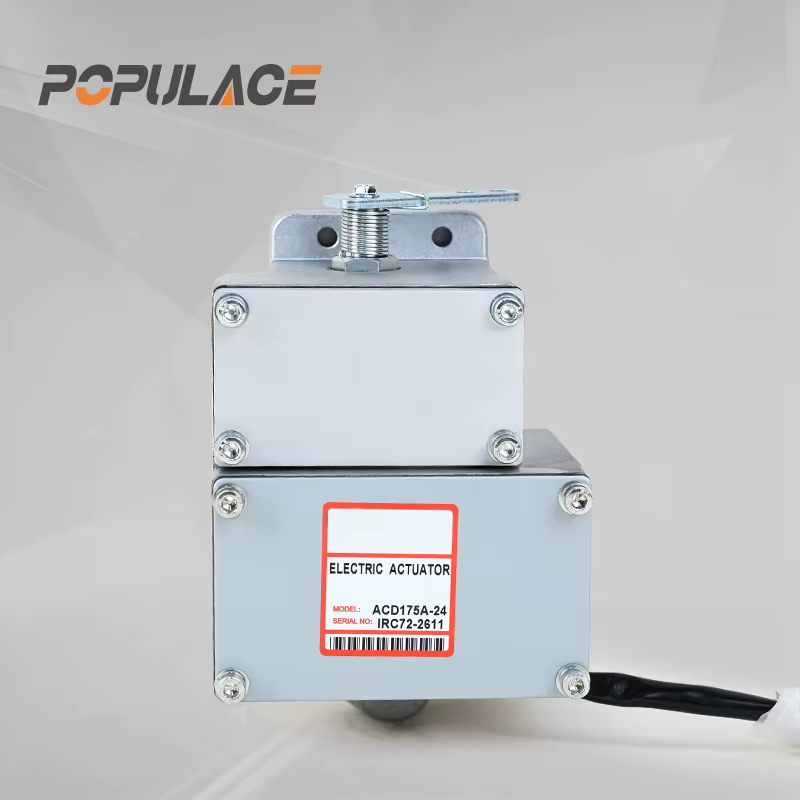
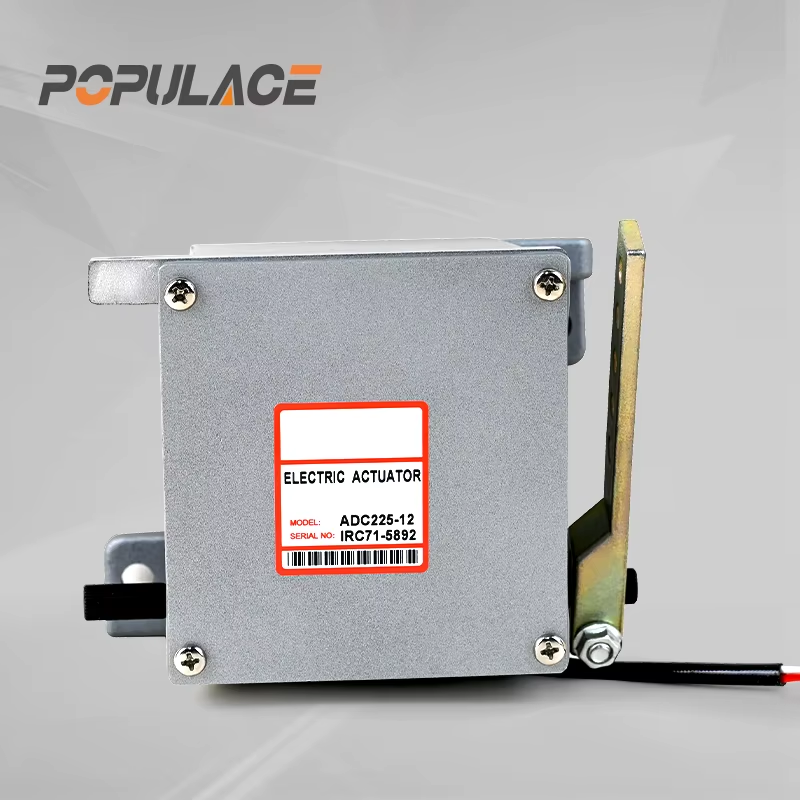
The governor maintains engine speed as load changes. On electronically governed engines, the controller, speed pickup, actuator, and governor logic work together to hold rated speed and frequency. A failed actuator, damaged linkage, unsuitable speed signal, or incorrect governor setting can lead to hunting, overspeed alarms, unstable frequency, or load shedding. These parts of generator systems are especially important for prime-power units and parallel sets, where response under varying load must be considered during selection and commissioning.
Sensors, senders, and shutdown devices
Temperature, oil-pressure, speed, fuel-level, and other sensors give the controller the information needed to alarm or shut down the unit. Sensor substitution needs the same care as controller replacement: confirm thread, resistance curve or signal range, operating voltage, connector, and alarm thresholds. For example, a buyer evaluating coolant-temperature sender options can reference the CMS-listed VDO Compatible Engine Coolant Sender as a product detail starting point, then verify the installed engine’s specification before placing a bulk order.
Battery charger and DC supply
A standby set that starts rarely still depends on a healthy battery and a maintained DC supply. A float or trickle charger keeps the starting battery ready between test runs, while fuses, terminals, and wiring carry that power to the controls. The POPULACE 12V/24V Generator Automatic Battery Trickle Charger is a CMS-confirmed product option; the buyer must still confirm required DC voltage, charging current, battery chemistry guidance, installation space, and local electrical requirements.
How to check compatibility before ordering
For portable generator Generac applications, a Briggs and Stratton generator, or an industrial diesel generator set, use a written verification sheet instead of an informal brand-based request. Collect:
- Generator, engine, alternator, and controller model numbers, plus serial or production range where available.
- Original part number, clear label photos, wiring diagram, and connector or terminal details.
- Rated voltage, frequency, DC system voltage, sensor range, and whether the set operates alone or in parallel.
- Operating conditions such as temperature, vibration, humidity, prime or standby duty, and load type.
- Required documents: drawings, test expectations, traceability labels, packaging, and any market-specific compliance paperwork.
OEM-compatible aftermarket parts can be practical when the supplier can confirm the relevant specification. However, “compatible” should mean a documented model-level match, not a promise based only on a familiar engine brand. Ask the supplier to identify any required programming, calibration, harness change, or commissioning step before the purchase order is released.
A practical stocking and maintenance plan
Stocking every item in equal quantities ties up capital. Classify the parts of generator inventory by criticality, failure impact, lead time, and commonality across the fleet. Keep fast-moving and no-start items—filters, relays, selected sensors, fuses, chargers, and frequently used AVR or governor references—at a higher service level. For slow-moving controllers and model-specific actuators, retain the cross-reference data, supplier lead time, and an agreed replenishment plan.
During scheduled inspections, check battery condition and charger indication, inspect wiring and terminals, record alarms, test safety shutdowns according to the site’s maintenance procedure, and compare voltage and frequency behavior under an approved test load. Record the installed part number and revision after every replacement. That discipline makes the next reorder faster and reduces the chance that an unmarked component becomes a future troubleshooting problem.
What wholesale buyers should request from a supplier
A strong quotation for generator parts should state the exact reference, quantity, unit price, lead time, packaging, warranty or defect-handling process, and technical documents available. For repeat purchasing, ask for batch identification and a stable cross-reference table. KYGEN Power focuses on generator controllers, governors, AVRs, and related replacement parts for wholesale and brand buyers, with compatibility confirmation as a practical pre-order step. For OEM or private-label programs, define labeling, packaging, inspection, and approval samples before production rather than after a large order ships.
Conclusion
The most important parts of generator are not only the visible engine and alternator. The controller, AVR, governor, actuator, sensors, solenoids, and battery charger determine whether a set starts, regulates, protects itself, and returns to service reliably. Build procurement around confirmed specifications, documented cross-references, maintenance records, and risk-based stock levels. This approach helps distributors serve mixed fleets while reducing downtime and avoidable replacement errors.






