
 EN
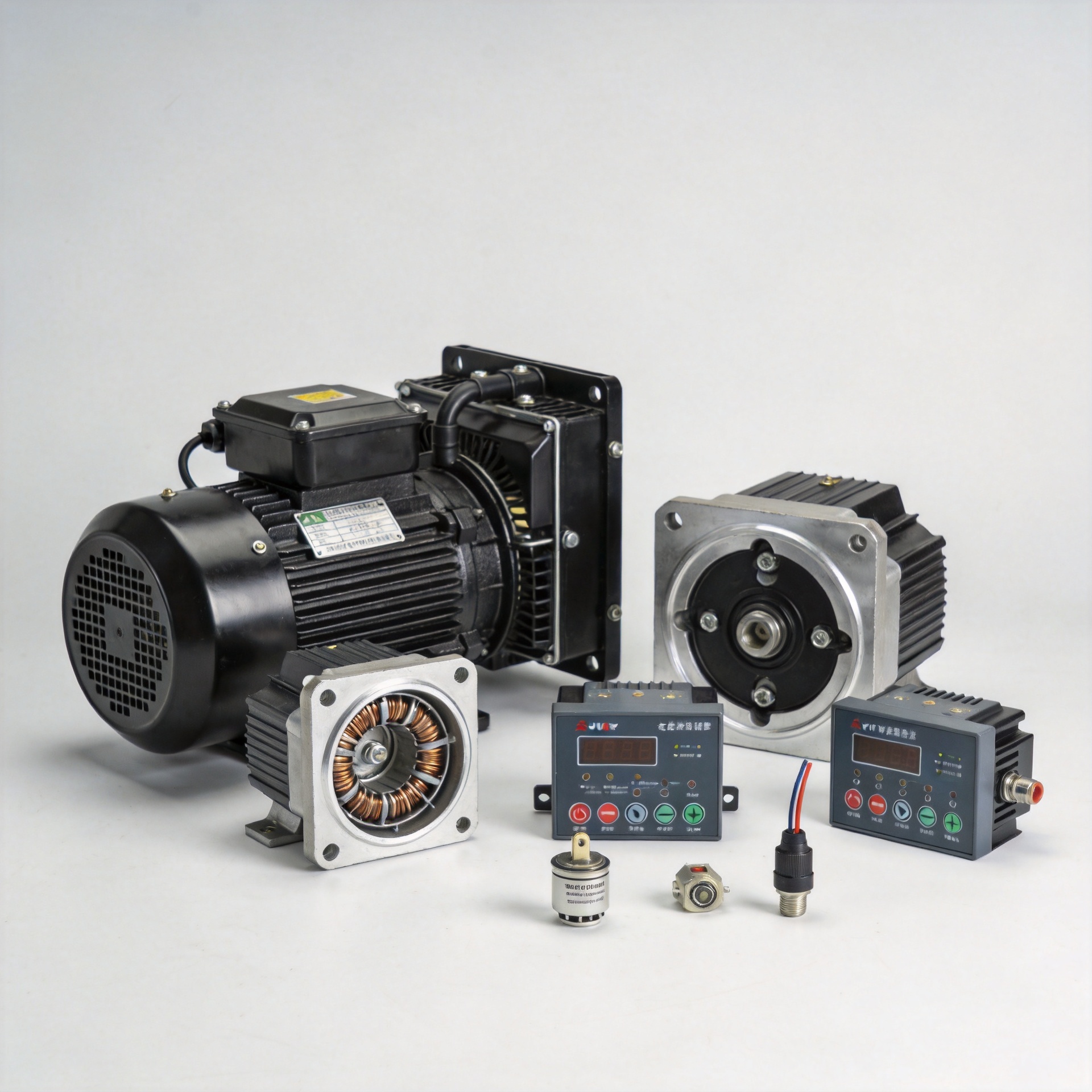
Generator Parts Factory Price: Cost Comparison Tips for B2B Buyers
When you are managing procurement for a generator maintenance or distribution operation, understanding how generator parts factory price structures work is one of the more reliable ways to reduce costs without compromising reliability. The difference between buying from a factory-direct supplier and routing through a trading company can range from 20% to 50% on comparable parts — and that margin compounds across high-volume repeat orders.
This guide walks through the key criteria for comparing generator parts factory prices across component categories, and explains how procurement decisions around OEM compatibility, order quantity, and supplier documentation affect your total cost per unit.
Core Generator Part Categories and Typical Price Ranges
Before comparing prices, it helps to understand where the cost variation is highest across part types. Generator spare parts span a wide range — from individual sensors priced at a few dollars per piece up to genset control systems in the hundreds or thousands. A practical breakdown by category:
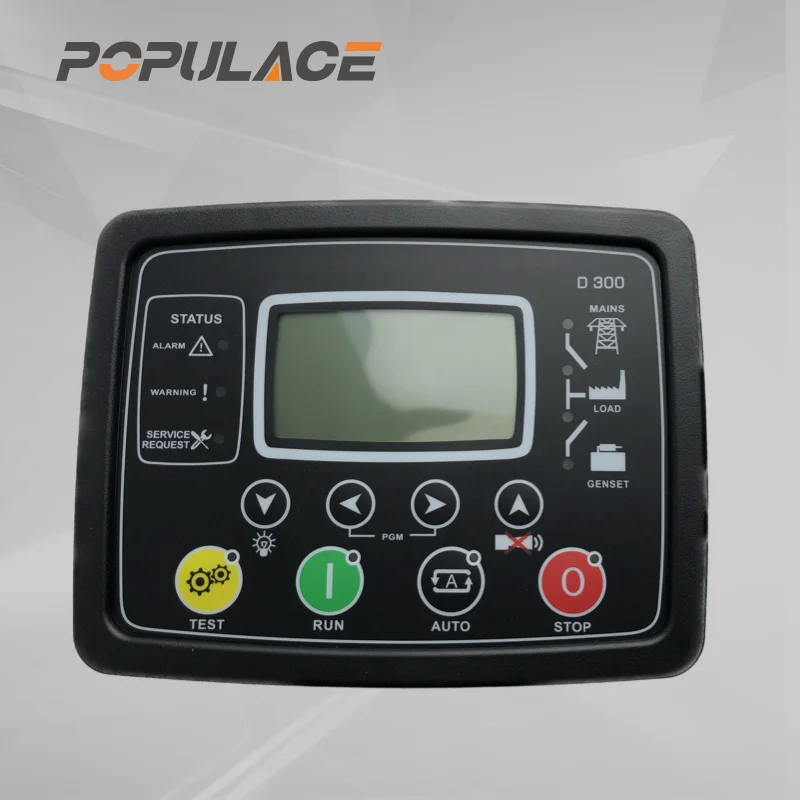
- Genset controllers — Electronic control modules that manage auto-start, protection functions, and display output. Factory prices vary significantly by feature set; entry-level AMF controllers start from $30–80 per unit at B2B quantities, while feature-rich controllers with CAN bus and remote monitoring capability go higher.
- Automatic voltage regulators (AVRs) — Core to output quality. Popular replacement models like the SX460 and MX341 are widely sourced at factory prices in the $8–25 range per unit depending on brand compatibility and quantity.
- Speed governors — Mechanical or electronic governing devices. Price depends on whether the unit is mechanical or electronic and the engine platform; electronic governors for Cummins or Perkins engines carry a higher factory price than mechanical alternatives.
- Sensors — Water temperature, oil pressure, and coolant level sensors vary considerably. A VDO-compatible water temperature sensor, for example, can be sourced at factory-direct prices well below OEM equivalents for brands like Perkins and Doosan.
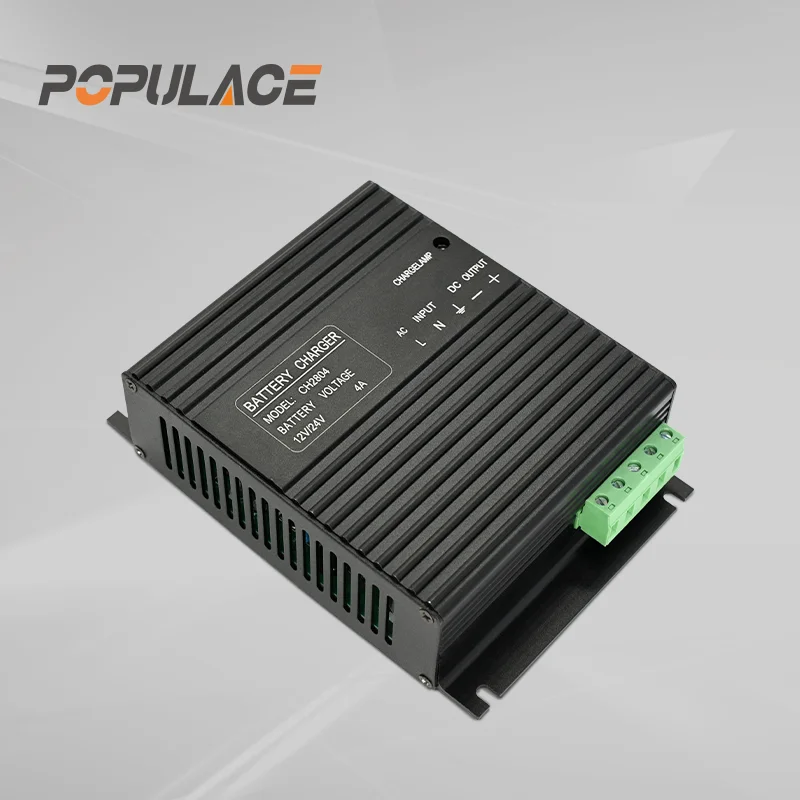
- Battery chargers and maintenance accessories — 12V/24V trickle chargers for generator battery maintenance are high-frequency consumable items for distributors servicing multiple generator installations.
Factory Direct vs. Trading Company: How the Pricing Structure Differs
The first decision most experienced procurement managers make is whether they are talking to a manufacturer or a trader. It sounds obvious, but it affects more than price: it affects lead time consistency, documentation availability, and your ability to confirm OEM compatibility before placing an order.
Factory-direct suppliers eliminate one or more intermediary layers. That elimination translates to lower generator parts factory price per unit, but it also means the manufacturer handles technical queries directly — which matters when you are trying to confirm whether a governor actuator is compatible with a specific engine variant.
The shift most experienced wholesale buyers make is realizing that the lowest quoted unit price is not necessarily the right metric. When you are sourcing at volume, the cost that matters is the landed per-unit cost inclusive of documentation, customs compliance support, and any post-shipment technical clarification you need. A factory supplier that includes compatibility confirmation as part of the quotation process is worth more in total cost terms than a trader offering a slightly lower headline price.
Key Criteria for Comparing Generator Parts Factory Prices
Working through cost comparison across suppliers requires a consistent framework. The criteria that matter most when evaluating generator parts factory price proposals include:
1. OEM Compatibility Coverage
A lower price is meaningless if the part is not confirmed compatible with your target generator platforms. When sourcing parts for brands like Miller Bobcat 225, Ryobi generators, or Westerbeke marine generators, the compatibility question is not just about matching a part number — it is about confirming that the specification fits the engine variant, voltage rating, and load profile in use. Request compatibility documentation before committing to an order rather than after receiving goods.
2. Minimum Order Quantity and Per-Unit Price Breaks
Factory pricing typically steps down at defined quantity thresholds. Understanding where those breaks fall — and whether your regular order volume qualifies — directly affects your per-unit cost. Suppliers with flexible minimum order quantities allow smaller distributors to access factory-level pricing without committing to full-pallet orders before confirming part fit.
3. OEM vs. Factory-Equivalent Pricing
OEM-branded generator parts can run 50–100% higher than factory-direct equivalents that meet the same specification. For high-frequency maintenance items — sensors, battery chargers, filters — the cost difference across a full annual maintenance cycle adds up. High-quality factory-sourced parts have been documented to reduce maintenance costs by 20–50% compared to branded OEM channels, provided the specification match is confirmed.
4. Supplier Documentation and Export Support
For international B2B procurement, documentation consistency is a practical cost factor. Suppliers that provide complete technical specifications, CE or equivalent certifications, and export-compliant packaging reduce the risk of customs delays and post-shipment disputes that add cost to the procurement cycle.
Procurement Planning: Matching Parts Sourcing to Maintenance Cycles
One underused cost lever in generator parts procurement is aligning order timing to predictable maintenance intervals. Most generator service schedules follow defined hour-based milestones — typically every 250, 500, and 1,000 operating hours for oil, filters, and electrical components respectively. Planning parts orders ahead of those intervals, rather than reactively sourcing after a failure, allows you to consolidate orders, hit quantity price breaks, and avoid premium pricing for urgent delivery.
For B2B distributors managing multiple customer installations, a basic spare parts inventory model — covering critical wear items like sensors, AVRs, and battery chargers — reduces the risk of extended downtime between order and delivery. The cost of holding a small inventory buffer is typically lower than the cost of unplanned procurement at spot prices.
Recommended Products for Generator Parts Procurement
For buyers sourcing generator control and maintenance components at factory prices, the following products represent practical options across key categories:
- Genset Controller: The DATAKOM D-300-MK3 Genset Controller is a feature-capable AMF controller suited for diesel generator automatic start and protection applications, with factory-direct pricing for B2B wholesale orders.
- Engine Coolant Temperature Sensor: The 803/1/25 803/1/30 Water Temperature Sensor — VDO Compatible Engine Coolant Sender provides a cost-effective factory-sourced replacement for VDO-compatible temperature sensing across common diesel engine platforms.
- Battery Trickle Charger: The POPULACE 12V/24V 4A/6A/10A Generator Automatic Battery Trickle Charger (Ch2804) supports both 12V and 24V battery systems, making it a flexible stock item for distributors serving mixed generator fleets.
Evaluating Generator Parts Factory Price Quotes: A Quick Checklist
When reviewing factory price proposals from new or existing suppliers, run through this checklist before confirming an order:
- Is the supplier a manufacturer or a trading intermediary? Ask for factory registration or production documentation if uncertain.
- Does the quote include confirmed technical compatibility with your target generator platforms (e.g., miller bobcat 225 parts, ryobi generator parts, westerbeke generator parts)?
- What are the MOQ tiers, and does your projected order volume qualify for the target price break?
- Are CE, RoHS, or other applicable certifications included with the product documentation?
- Does the supplier provide export packaging suitable for international shipping, including anti-static protection for electronic control components?
- What is the stated lead time, and does it match your maintenance schedule planning horizon?
Conclusion
Understanding generator parts factory price structures — and knowing how to compare them systematically — is the foundation of cost-efficient B2B parts procurement. Factory-direct sourcing removes intermediary cost layers, but the real saving comes from combining factory pricing with confirmed OEM compatibility, appropriate MOQ alignment, and a procurement cycle matched to your maintenance schedule. For wholesale distributors and brand buyers sourcing controllers, AVRs, sensors, and battery maintenance products, those factors together determine actual cost per operating hour — which is the number that matters.






