
 EN
Generator Parts Distributor: Channel Selection Tips
From a procurement standpoint, sourcing generator components at scale means more than comparing unit prices. The real question is whether your chosen generator parts distributor can deliver the right component, at the correct specification, within a predictable lead time — reliably, across every order cycle.
Once you manage a parts inventory long enough, you stop asking "which supplier has the lowest price?" and start asking "which distributor can ship within acceptable lead times and maintain consistent batch quality?" That mindset shift defines experienced B2B procurement in this sector. A channel that delivers consistently over time is worth considerably more than any single favorable transaction.
Understanding the Generator Parts Distribution Landscape
Not every channel works the same way for every buyer. Before selecting a generator parts distributor channel, it helps to understand what each type offers — and where each falls short.
- Authorized OEM Dealers: These channels carry genuine parts certified by the original manufacturer — Generac, Cummins/Onan, Kohler, and similar brands. For buyers whose customers require OEM certification or warranty continuity, this is the right starting point. The limitation is that these channels are brand-locked. If you need an onan carburetor for a customer's Cummins-sourced genset, an authorized Onan dealer handles that. But if the same customer also runs Generac and Troy-Bilt units, you are managing multiple dealer relationships for what should be one procurement program.
- Independent Wholesale Distributors: These suppliers stock OEM-compatible and aftermarket parts across multiple brands. A broad-based wholesale distributor can carry generac cable accessories alongside cross-brand sensors, controllers, and battery maintenance products — reducing your supplier count while maintaining coverage for mixed-fleet service customers.
- Direct Manufacturer Sourcing: Sourcing control components directly from manufacturers provides access to factory-level pricing, OEM-compatible designs, and private-label options. This channel suits B2B buyers who place consistent volume orders on specific categories. The trade-off is that compatibility verification requires more pre-order technical due diligence.
- B2B Online Platforms: Alibaba and equivalent platforms provide broad supplier discovery and are useful for initial research. They are less effective as a primary channel without developing a direct supplier relationship with confirmed quality and documentation standards.
Key Criteria for Evaluating a Generator Parts Distributor
When evaluating a generator parts distributor, procurement professionals who have worked through failed supply arrangements tend to converge on the same set of evaluation criteria — not the ones that seemed important on the first inquiry.
Early in the sourcing process, most buyers focus on price and quoted lead time. After a missed delivery or a specification mismatch, the focus usually shifts to compatibility documentation, batch consistency, and the supplier's actual responsiveness when problems occur. Evaluating these factors before committing reduces risk and avoids costly mistakes after the first order:
- Category coverage: A reliable generator parts distributor for B2B wholesale programs should cover core component categories: control modules, automatic voltage regulators (AVRs), speed governors, battery chargers, temperature and oil pressure sensors, and fuel system parts. Narrow category specialists may work for a single procurement project but create gaps in an ongoing supply program.
- Compatibility documentation: For specification-critical parts — controllers, AVRs, governors — the distributor should provide model-specific technical data before the order is placed. If the answer is "it is compatible with most generators," that is not enough for professional procurement. Confirm the specific engine model range and interface type.
- Batch consistency: Wholesale distributors building repeat-order relationships need this guarantee more than first-order buyers. Request information on the distributor's incoming inspection process and quality control for repeat production batches.
- MOQ and pricing structure: If your application runs on high-volume, single-SKU repeat orders, factory-direct channels usually provide better economics. If your order pattern is irregular or mixed-SKU, a wholesale distributor with flexible minimum order quantities is often more practical for managing working capital.
- Lead time track record: Evaluate not just the quoted lead time on an inquiry, but the distributor's actual delivery performance across multiple orders.
Matching Product Categories to the Right Channel
Not every generator parts category requires the same channel approach. A procurement strategy that works well for controllers may be wrong for maintenance accessories.
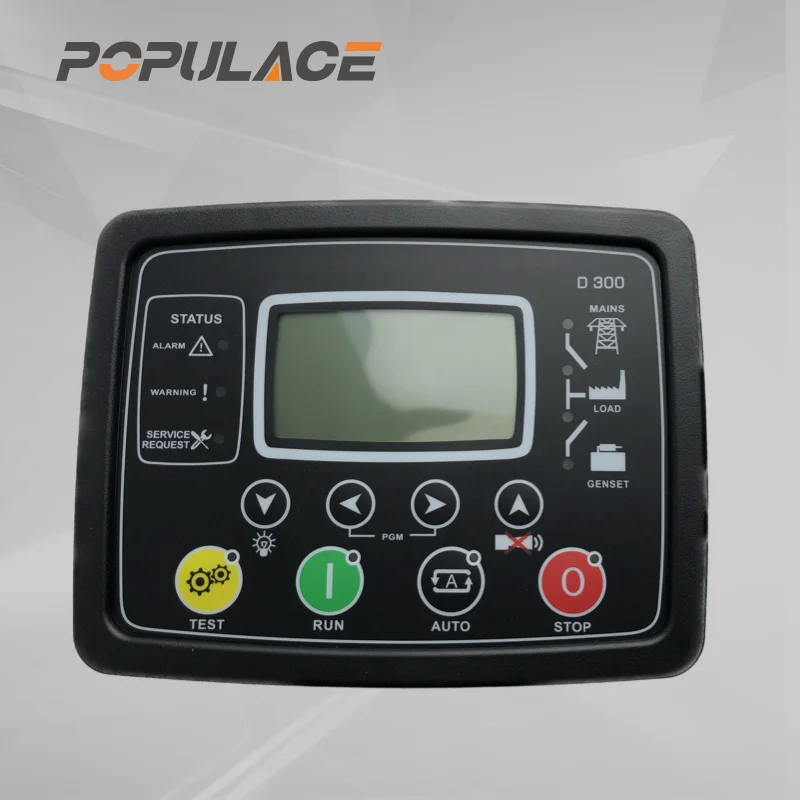
Control components (controllers, AVRs, governors): These are specification-critical parts where compatibility is determined by engine model, load profile, and control panel interface. For a multi-brand compatible controller like the DATAKOM D-300-MK3 Genset Controller, channel selection should prioritize distributors who provide model-specific compatibility documentation and pre-sales technical support. A wrong controller selection is expensive — not just in the part cost, but in the installation time and downtime that follows.
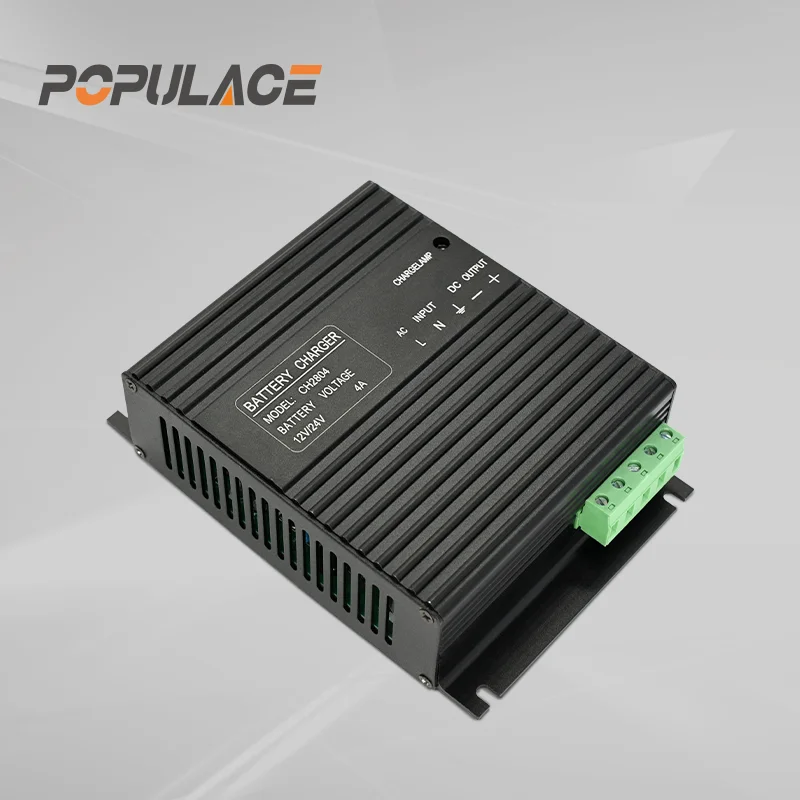
Maintenance accessories (battery chargers, filters): Cross-brand compatible accessories designed for standby gensets can often be sourced from a broader pool of distributors. These products serve a consistent maintenance function across genset brands and configurations. Volume pricing and availability are the primary channel selection factors here, rather than model-specific compatibility.
Sensors and monitoring components: Multi-brand compatible sensors — such as VDO-compatible water temperature sensors used across Cummins, Perkins, Volvo, and Doosan engine platforms — require distributors who stock cross-platform parts. A generator parts distributor with broad sensor coverage allows a service company or fleet maintenance buyer to consolidate sensor sourcing regardless of which engine brands their customers operate.
Brand-specific parts: For components tied to specific generator brands — an onan carburetor for a Cummins-branded RV or marine genset, a generac cable harness for a home standby unit, or troy bilt generator parts for portable equipment — the channel choice depends on whether genuine OEM or a verified OEM-compatible aftermarket alternative is acceptable for the end application. Authorized dealer channels provide certainty of fitment; independent wholesale distributors can offer compatible alternatives at better volume pricing for non-warranty service work.
A Practical Checklist Before Committing to a Channel
Before committing to a generator parts distributor as a primary supply channel, work through this qualification process:
- Confirm the distributor covers the full category range your customers need — controllers, AVRs, sensors, battery chargers, and mechanical consumables.
- Request technical data sheets or compatibility confirmation for any specification-critical component before placing a first order.
- Ask directly about batch consistency — what QC process applies between initial sample and production batch quality?
- Clarify the MOQ and pricing tier structure at your expected order volume.
- Test lead time accuracy on an initial order before scaling to volume commitment.
- For any part described as OEM-compatible, obtain the specific engine model range and interface reference in writing before ordering.
Building a Long-Term Distributor Relationship
A common pattern in B2B generator parts procurement is optimizing for the lowest initial price without investing enough in evaluating the channel's long-term reliability. The generator parts distributor that offers the lowest initial quote may not maintain consistent batch quality, predictable lead times, or technical responsiveness across an extended supply relationship.
For wholesale buyers and brand merchants building a parts supply program, treat channel selection as a long-term relationship decision rather than a transaction. The evaluation criteria that matter most — compatibility documentation, batch consistency, and responsive technical support — require more time to verify than price. That investment upfront compounds into supply chain reliability that directly reduces your own customer downtime exposure.
The generator parts market rewards buyers who establish distributor partnerships early in their growth cycle. Starting with a generator parts distributor who can grow alongside your order volume — rather than switching suppliers when requirements change — reduces transition risk and maintains the institutional knowledge built into the relationship over time.






