
 EN
Diesel Generator Parts Supplier: Vendor Selection
My starting point when reviewing a diesel generator parts supplier is rarely price. The first question is more concrete: what happens when a critical component fails at 2 a.m. on a site with no backup power? That question reframes the entire vendor evaluation. For wholesale buyers and distributors, choosing the right diesel generator parts supplier is one of the more consequential procurement decisions in your supply chain — and it affects your customers' operational reliability directly.
This guide covers the core evaluation framework: which part categories matter most, how to assess OEM compatibility across generator brands, and what separates a qualified wholesale supplier from a general-purpose online retailer.
Core Part Categories to Source from Any Diesel Generator Parts Supplier
A capable diesel generator parts supplier should cover the full range of critical replacement components. Before committing to a primary supplier relationship, confirm coverage across these categories:
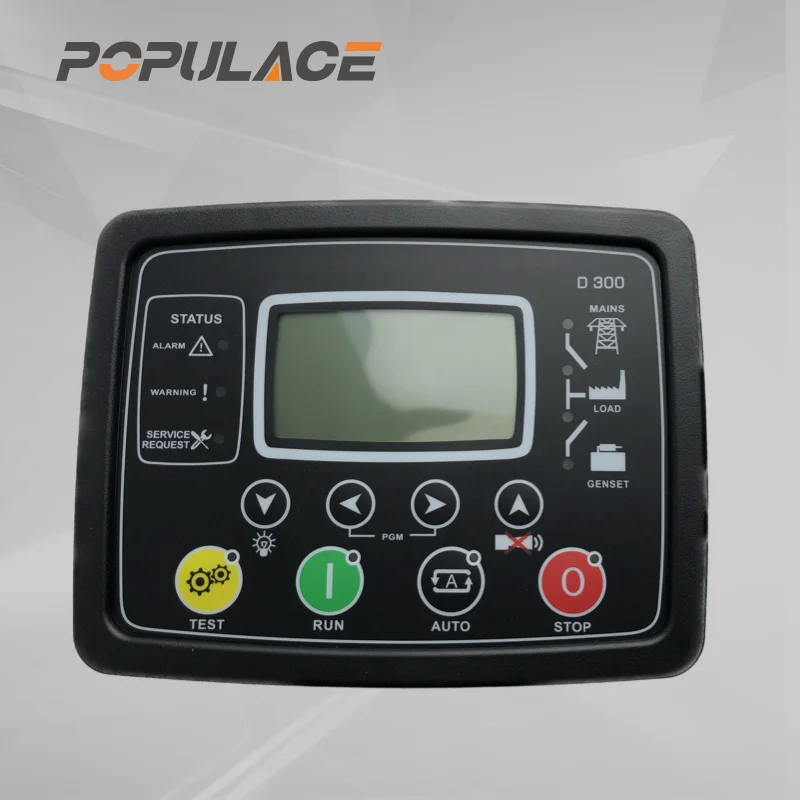
- Genset controllers: The brain of the generator system, managing start/stop logic, fault protection, and automatic mains failure response. A unit like the DATAKOM D-300-MK3 Genset Controller handles these functions and fits a wide range of generator configurations.
- Automatic Voltage Regulators (AVR): Keep output voltage stable under variable loads. Alternator model compatibility matters here — a mismatched AVR sensing circuit causes voltage hunting even when the spec sheet looks correct.
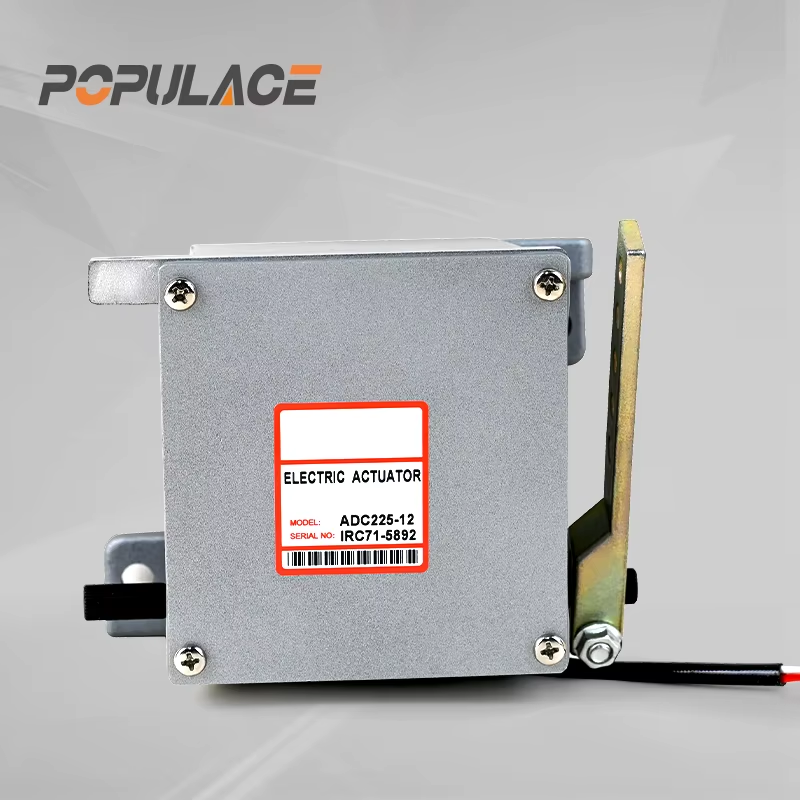
- Speed governors and actuators: Regulate engine RPM under load. Droop setting, actuator response range, and engine variant compatibility all need to be confirmed before you place an order.
- Engine sensors: Oil pressure, water temperature, and coolant level sensors feed the controller's protective logic. The VDO-compatible Water Temperature Sensor illustrates how aftermarket parts can serve the protective function when sourced with confirmed compatibility documentation.
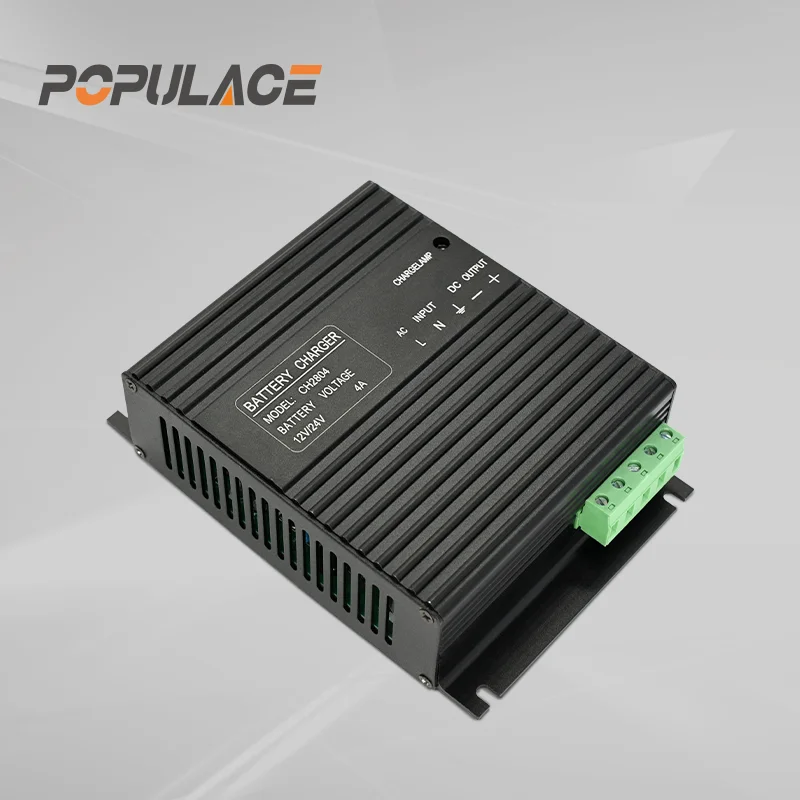
- Battery chargers and maintenance equipment: Standby generator batteries degrade through float discharge during idle periods. The POPULACE 12v 24v Automatic Battery Trickle Charger addresses this maintenance need — and for wholesale buyers, it is a high-velocity consumable that supports recurring order volume.
- Solenoid valves and fuel system components: Fuel shutoff solenoids fail frequently in high-cycle applications. Stock depth matters more than brand here — the replacement cycle is measured in years, not decades.
Evaluating OEM Compatibility Across Generator Brands
A practical question when qualifying a diesel generator parts supplier is whether their product range covers the generator brands your customers actually run. The major OEM platforms — Cummins, Perkins, Volvo Penta, Doosan — each use proprietary controller interfaces and sensor signal specifications in original configurations. But a significant share of the replacement parts market runs on standardized aftermarket components that meet the same functional parameters.
Experienced procurement managers tend to arrive at the same realization: OEM compatibility verification is a documentation process, not just a brand alignment check. Ask any candidate diesel generator parts supplier for:
- Model-specific compatibility tables for controllers and AVRs against the engine series you stock
- Technical datasheets showing signal output ranges for sensors (VDO, Murphy, and Saab-Scania specifications are common reference points)
- Pre-sales technical confirmation — a supplier's technical staff should be able to confirm spec fit before you commit an order
Whether your customers have Predator 4000 generator parts demand or you are sourcing cat generator parts, powermate generator parts, or champion generator accessories alongside industrial genset components, the same logic holds: documented cross-reference capability from your supplier reduces post-delivery returns and field callbacks considerably.
Vendor Selection Criteria for Wholesale Buyers
A structured evaluation framework surfaces supplier relationship problems before they show up after the first large order. These are the criteria that consistently matter most in B2B generator parts supply chain qualification:
- OEM and aftermarket quality documentation: Qualified suppliers provide material test reports and specification confirmation. The line between a credible diesel generator parts supplier and a commodity reseller often comes down to whether they can answer technical questions — or just send a catalog PDF.
- Minimum order quantities that fit your volume profile: This is a common sourcing pitfall. Attractive unit pricing can come with MOQ requirements that tie up working capital in slow-moving SKUs. Confirm initial order MOQ and repeat order flexibility before any agreement is signed.
- Stock consistency and batch quality management: Distributors reselling replacement parts to service fleets need uniform quality across repeat orders. A supplier with batch consistency controls — each production run through incoming inspection and outgoing QC — is more defensible than one with variable sourcing from multiple sub-suppliers.
- Lead time reliability over price optimization: Optimizing on unit price creates lead time risk that can cost more than the savings. When a generator is down and the replacement part has a six-week lead time, the downtime cost exceeds most per-unit price differentials. Understanding standard and expedited lead time commitments is part of qualifying any supplier relationship.
- OEM private-label and custom packaging options: For brand merchants building product lines around generator accessories, sourcing under your own brand identity without minimum order thresholds typical of large OEM programs is a meaningful differentiator in the supplier evaluation.
Maintenance Interval Reference for Parts Procurement Planning
Wholesale buyers supplying generator service operations benefit from matching their inventory planning to the maintenance intervals that actually drive demand. Data from major engine manufacturers puts the diesel generator service interval at 250 to 500 hours, depending on load profile and brand specifications. Daily checks cover oil and coolant levels, fuel level, and battery condition. Air filter replacement typically falls at the 500-hour mark.
That pattern creates predictable demand across several consumable categories: coolant and oil sensors, battery maintenance chargers, fuel filters, and air system components. A diesel generator parts supplier relationship has strategic value only if the supplier can support scheduled maintenance procurement cycles, not just emergency replacement orders.
Spare Parts Inventory Management for Distributors
Reducing customer downtime risk starts with your own stock positioning. For distributors managing multiple generator brands and installation sites, a tiered spare parts approach is more defensible than attempting full coverage across every possible failure mode.
Critical-path components: Controllers, main AVR units, and engine-protection sensors for the most common generator models in your customer base. These belong in local inventory regardless of unit cost — there is no acceptable downtime for a failed controller at an active site.
High-cycle consumables: Battery trickle chargers, fuel solenoids, and air filters tied to scheduled maintenance cycles. These are natural candidates for blanket orders with a qualified diesel generator parts supplier to secure pricing and availability against demand spikes.
Low-frequency replacement parts: Governors, alternator components, and less common sensors. Supplier-held stock with a confirmed lead time commitment is more capital-efficient than distributor-held inventory for these SKUs.
A supplier who understands the B2B wholesale buyer's procurement workflow — from initial inquiry through sample evaluation to bulk ordering — can structure supply agreements around this tiered model rather than pushing a uniform ordering pattern across all part categories.
Summary: Qualifying a Reliable Diesel Generator Parts Supplier
Selecting a diesel generator parts supplier for B2B wholesale is not a price comparison exercise. The factors that matter — OEM compatibility documentation, batch quality consistency, MOQ flexibility, lead time reliability, and multi-brand coverage — determine whether your customers face preventable downtime or predictable maintenance outcomes. A supplier with verified technical capability, direct factory supply economics, and a product range spanning both control components and mechanical replacement parts is structurally better positioned for a long-term distributor relationship than a general-purpose online retailer.
For buyers sourcing generator controllers and accessories across Cummins platforms, Perkins-based industrial sets, or brands like Caterpillar and Doosan, the consolidation advantage of a single qualified diesel generator parts supplier translates into measurable reductions in both administrative overhead and supply chain risk.






