
 EN
Diesel Generator Parts: Sourcing and Replacement
For a wholesaler or service distributor, buying diesel generator parts is less about finding a familiar-looking component and more about controlling downtime. A controller, AVR, governor, solenoid, sensor, or battery charger can all be “close” to the required part and still be wrong at the terminals, voltage range, logic, or mechanical interface. The practical approach is to identify the failed function first, verify the exact interface second, and then stock the items that can stop a customer’s set without warning.
This guide organizes the main replacement categories, explains what is and is not interchangeable across common engine brands, and offers a purchasing routine for B2B buyers. It also addresses related searches such as generator enclosure, whisper generator, and honda 5000 generator: each points to a different equipment context, but none removes the need to match a part to the specific generator model and serial information.
Start with the function, not the part name
A useful diesel generator parts list separates the set into control, charging, sensing, fuel-actuation, voltage-regulation, engine-service, and mechanical-protection groups. This makes an RFQ easier to evaluate and prevents a buyer from treating every electrical item as a generic spare.
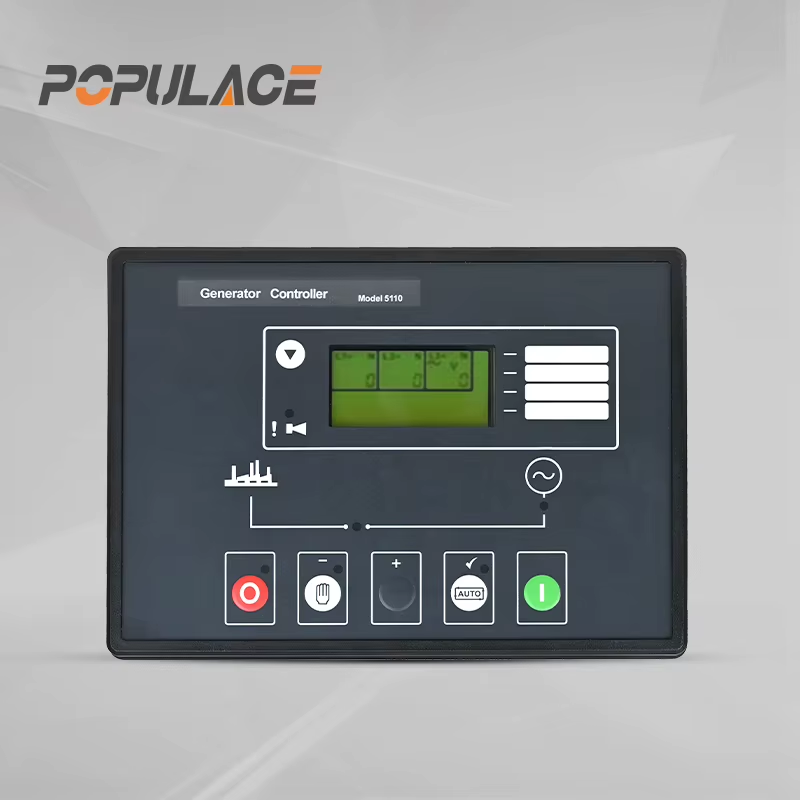
- Controllers: monitor alarms, speed, voltage, frequency, start/stop logic, and sometimes mains transfer inputs. Confirm the application, I/O count, display type, communications protocol, harness, and configuration file.
- Automatic voltage regulators (AVRs): manage alternator excitation. Match sensing voltage, excitation output, alternator arrangement, stability settings, and connector layout.
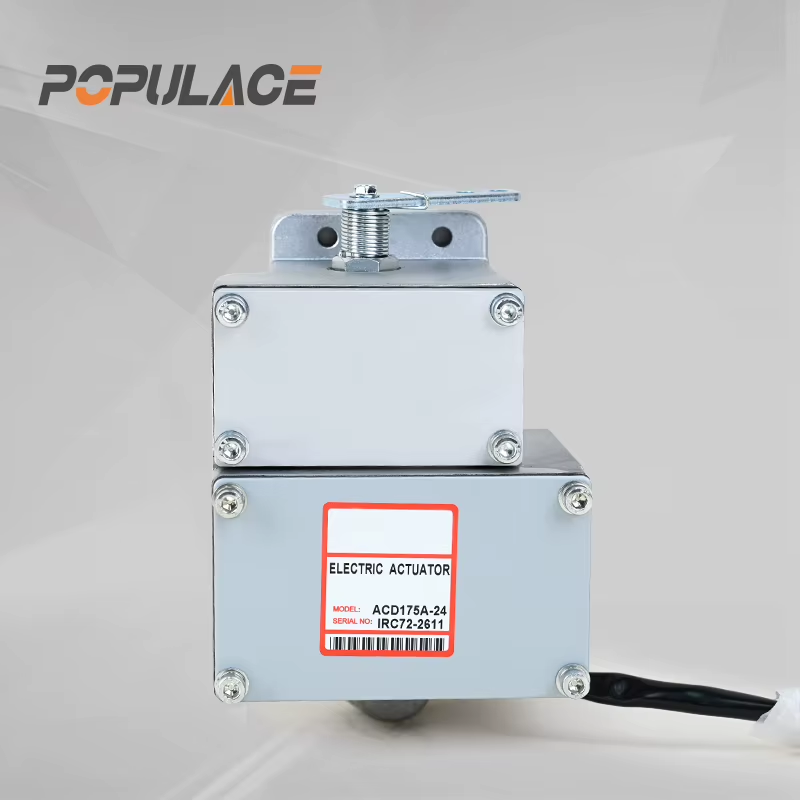
- Governors and actuators: regulate engine speed and frequency. Verify the actuator travel, voltage or current signal, mounting geometry, linkage, and the controller’s governing mode.
- Solenoids: include fuel shutoff and stop solenoids. Stroke, plunger dimensions, duty cycle, pull/hold current, voltage, and connector style matter.
- Sensors: oil pressure, coolant temperature, speed, and fuel level devices provide the signals that protect a genset. Sender resistance curve, thread, ground arrangement, alarm setpoint, and operating range must be checked.
- Battery charging parts: starter batteries, chargers, terminals, fuses, and cables determine whether a standby unit starts when called.
For example, a temperature sender may look interchangeable while using a different resistance curve. That mismatch can create a false over-temperature alarm or hide a real one. The same rule applies to diesel generator parts such as AVRs and governors: a label match alone is not enough.
Compatibility across Cummins, Perkins, Volvo, and Doosan sets
Engine-brand references are helpful starting points, not replacement approval. Cummins, Perkins, Volvo, and Doosan generator packages may use different engines, alternators, controllers, harnesses, and OEM revisions across power ranges. Some consumables or standardized sensors can cross over; control and actuation components often require closer confirmation.
Ask for the generator model, engine model, serial number, alternator model, existing part number, clear photos of labels and connectors, and the site voltage/frequency. For electrical diesel generator parts, add the supply voltage, input/output rating, terminal diagram, and any programmed controller settings. For mechanical items, request dimensions, thread pitch, mounting-hole spacing, and linkage details. This record lets a supplier distinguish an OEM-compatible replacement from an unverified substitute.
Do not assume that a part specified for a portable honda 5000 generator is suitable for a diesel standby set. Likewise, a quiet or whisper generator may have different airflow, access-panel, exhaust, and wiring constraints from an open-frame unit. When a generator enclosure is part of the installation, confirm ventilation paths and service clearance before changing chargers, sensors, or control hardware.
A B2B RFQ checklist for diesel generator parts
- State the failed function and observed symptom, not only the requested part number.
- Provide the generator, engine, and alternator identification plus photos of the old component.
- List electrical values: 12 V or 24 V supply, AC sensing, current rating, frequency, and connector count.
- Confirm whether an OEM part, an OEM-compatible replacement, or a serviceable alternative is required.
- Specify quantity by immediate repair need, planned maintenance stock, and emergency reserve.
- Request packing, labeling, lead time, batch traceability, and inspection requirements for wholesale orders.
This process is especially valuable for distributors buying mixed orders of diesel generator parts. It reduces returns caused by connector or calibration differences and helps the buyer quote accurately to service customers.
Battery charging and control spares worth planning
Starting reliability is often decided before the engine turns. For fleet and dealer orders, battery chargers and their supporting protection items deserve a place in the critical-spares list. The POPULACE 12V/24V 4A/6A/10A Generator Automatic Battery Trickle Charger is a confirmed product option to evaluate where the voltage and charging requirement match the installation. Confirm the site battery bank, charger setting, mounting, and connection arrangement before ordering.
For related control and monitoring replacements, buyers can review the confirmed product records for the DATAKOM D-300-MK3 Genset Controller and the VDO-compatible engine coolant sender. The product name is not a fitment guarantee; verify each unit against the customer’s documentation and existing installation.
Use maintenance intervals to trigger replenishment
Service schedules should follow the engine and generator OEM manual, operating environment, and duty profile. As a planning baseline, monthly rounds commonly inspect coolant condition, oil level, battery-charger output, visible corrosion, and loose connections. Some manuals use hour-based service points such as 250 or 1,000 operating hours; fuel-filter timing is often specified separately. Use those intervals to forecast parts demand, not as a universal replacement rule.
Keep a simple maintenance record containing run hours, alarm history, last replacement date, test results, and part numbers used. A recurring low-voltage start issue may point to the battery, charger, cable resistance, or settings—not automatically to a single charger replacement. The record gives technicians and purchasing teams a shared basis for selecting diesel generator parts.
Build a practical critical-spares inventory
Classify stock by downtime impact and lead-time exposure. High-priority items often include a proven controller or controller backup, AVR, speed-related sensor, coolant sender, fuel-stop solenoid, charger, fuses, relays, belts, filters, and common terminals. Hold fewer units of expensive, model-specific assemblies, but document the approved alternatives and supplier lead time. Store electronics dry, protected from static discharge, and clearly tied to the compatible generator family.
For wholesalers, the strongest inventory model combines fast-moving universal service items with a controlled list of customer-specific diesel generator parts. Review consumption after maintenance seasons and after every unplanned outage. That cycle improves availability without turning a warehouse into a collection of untraceable, obsolete parts.
Conclusion
Reliable replacement sourcing comes from disciplined identification: function, part number, electrical or mechanical interface, machine model, and planned stock level. Use verified product information, preserve the removed-part evidence, and align replenishment with maintenance records. With that process, B2B buyers can source diesel generator parts more confidently while reducing avoidable generator downtime.






