
 EN
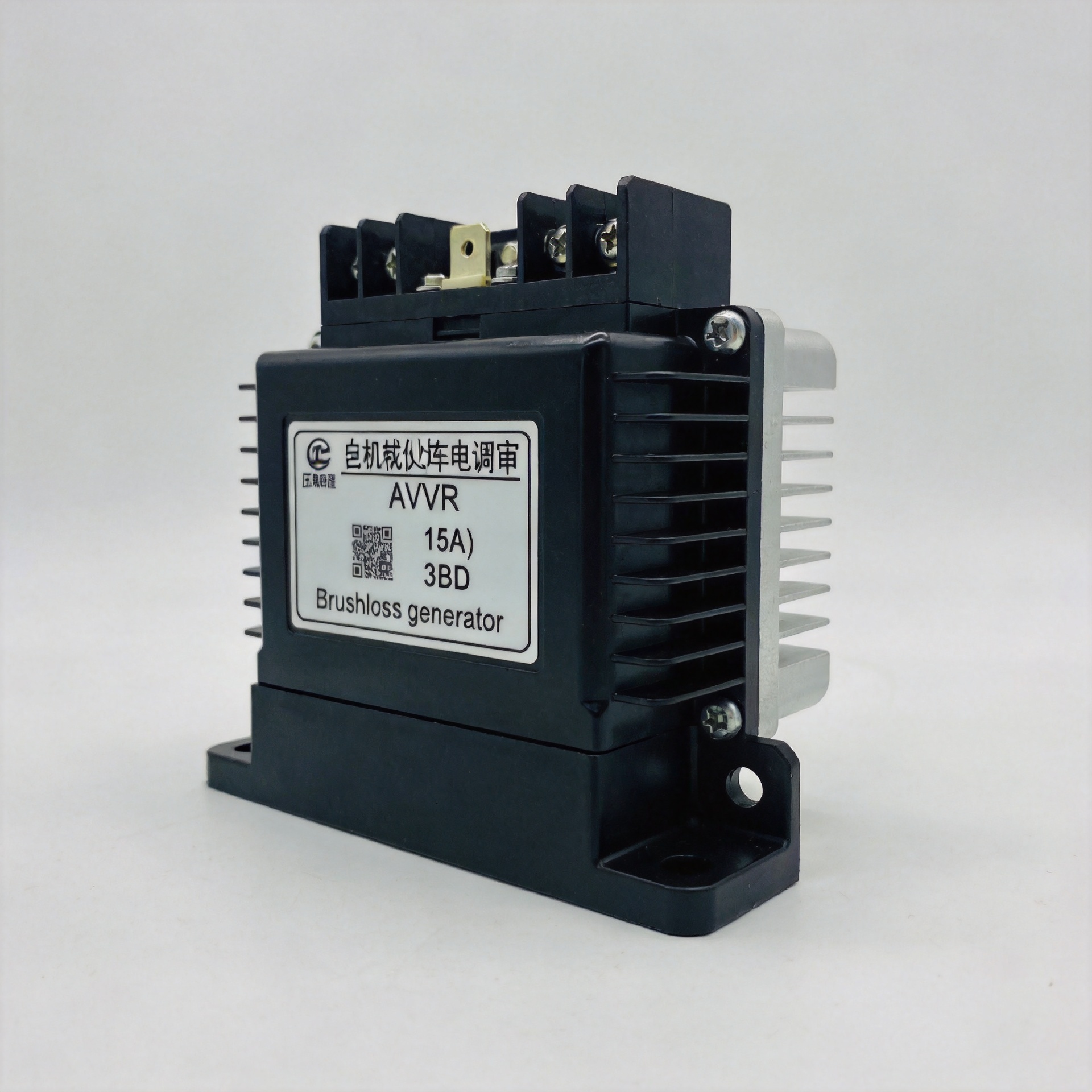
AVR 15A: Applications and Compatible Generator Types
Evaluating an AVR 15A for a generator system means more than reading a spec sheet. Whether the part actually works depends on the AVR's sensing input range, excitation current capacity, and wiring configuration matching the specific generator model. That becomes critical when sourcing replacement parts at volume or managing a mixed-brand fleet.
What Is an AVR 15A and How Does It Work?
An AVR 15A, commonly supplied under the GAVR-15A designation, is a universal automatic voltage regulator for brushless, self-excited generator alternators. The "15A" refers to the maximum excitation current output capacity. The AVR monitors generator output voltage and adjusts excitation current to the rotor windings — through the generator exciter coil — to hold stable output under varying load conditions.
Key technical parameters for the GAVR-15A include:
- Sensing input voltage range: 180–240VAC (max input: 100–260V AC)
- Output voltage: up to 90VDC at 240VAC input
- Excitation current: continuous 6A, intermittent 12A for up to 10 seconds
- Soft-start ramp time: approximately 3 seconds
- External voltage adjustment: ±7%
- Configuration: ½ wave self-excited, dip-switch programmable
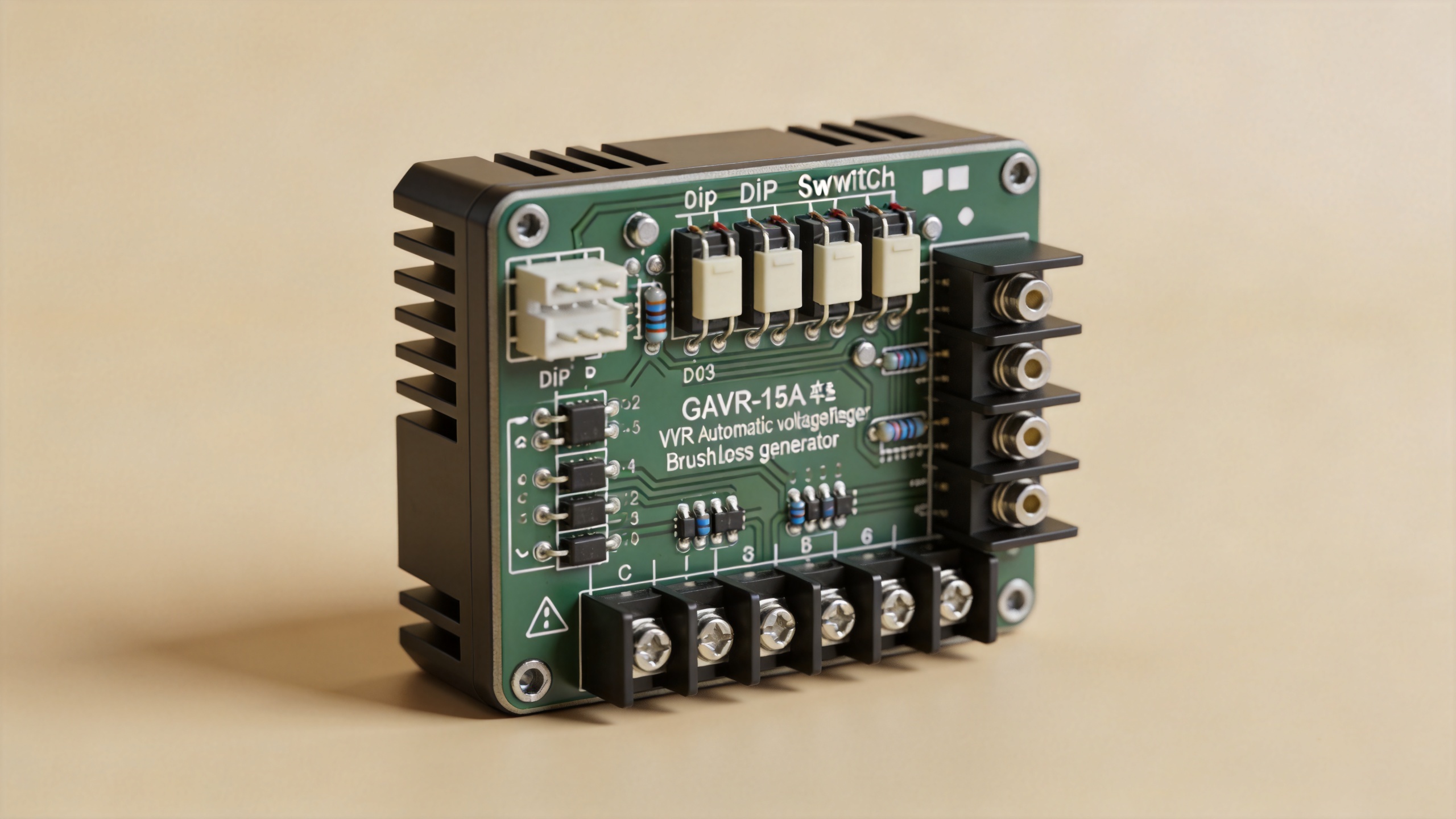
The dip-switch programmable design makes the AVR 15A adaptable across multiple generator platforms without custom modification. Stable load applications will generally hold regulation without issues. For loads that switch frequently — particularly motor-starting loads — the intermittent 12A rating provides headroom during transient demand spikes.
Compatible Generator Types for AVR 15A
The GAVR-15A handles brushless generators up to 200 KVA. Two factors drive compatibility: the generator's output voltage configuration and the alternator's excitation type. Most buyers start by checking voltage and frequency ratings. A failed installation usually shifts attention to the sensing input range and exciter coil resistance, because that is where most mismatches actually occur.
For the AVR generator Honda 5500 series, compatibility holds when the alternator uses a brushless, self-excited design with a sensing input in the 180–240VAC range. The GAVR-15A's universal architecture and dip-switch configuration suit Honda generator sets at this power level, as long as the excitation winding matches the AVR's output current capacity.
When sourcing Mahindra generator AVR replacements, it is worth confirming the sensing input voltage and excitation winding resistance before ordering. Mahindra generators vary across model lines, so a unit-level cross-reference is more reliable than relying on brand-level assumptions. The specification buyers most often overlook with AVRs is the sensing input range, not the output voltage, and that is where compatibility problems tend to show up.
Understanding the generator exciter coil function clarifies why this matters. The AVR supplies DC current to the exciter winding, which induces a rotating magnetic field in the main rotor. A mismatched excitation current rating leads to voltage instability or faster component wear. Getting the AVR's output current capacity matched to the generator's excitation demand matters just as much as the input sensing voltage.
Comparing Common AVR Models by Power Range
Not every generator application calls for a 15A AVR. Selection typically comes down to the generator's KVA rating and excitation design requirements. The table below covers the most commonly sourced models across different power segments.
| Model | Rated Output Current | Typical Power Range | Application Notes |
|---|---|---|---|
| GAVR-8A | 8A continuous | Up to ~80 KVA | Compact standby and residential generator sets |
| GAVR-15A (AVR 15A) | 6A continuous / 12A intermittent | Up to 200 KVA | Universal brushless; dip-switch programmable; suitable for Honda, Mahindra, and general-purpose platforms |
| GAVR-20A | 20A continuous | Medium to large sets | Higher excitation demand applications; direct replacement for some industrial units |
| SX440 / SX460 | 3A / 4A | Stamford-type alternators | Specific to Newage Stamford winding configurations; not interchangeable with GAVR types |
| AS440 | 4A | Stamford AS-series | Factory-spec replacement for specific Stamford alternator builds |
| R120 / R450 | Model-specific | Diesel gensets | Digital AVR for specific diesel generator circuit configurations; not universal |
The GAVR series, including the AVR 15A, are designed as universal AC generator voltage regulators for brushless, self-excited alternators. SX and R-series units are application-specific and not wiring-compatible with the GAVR architecture. Using these families interchangeably without a confirmed compatibility check is one of the more common ordering mistakes in this category.
Procurement Considerations for Wholesalers and Brand Merchants
When sourcing AVR 15A units in volume, the real cost is not the unit price but whether the part is compatible with the end application. A lower Mahindra generator AVR price that causes field failures will generate higher total costs than a properly verified unit at a somewhat higher upfront price.
Three things worth confirming before placing a batch order:
- Sensing input range: Verify that the generator's output voltage falls within the AVR's sensing window — 180–240VAC for the GAVR-15A.
- Excitation winding resistance: Confirm the generator's exciter coil resistance is within the AVR's load tolerance. This is the specification most frequently left out of supplier inquiries.
- Documentation: Get wiring diagrams and compatibility reference charts before shipment. Batches arriving without installation documentation create problems for downstream service teams and slow commissioning.
Buyers who manage service parts for mixed-brand generator fleets across multiple markets tend to weight supplier reliability, technical response speed, and documentation quality over unit price over time.
Installation Basics and Common Fault Indicators
The GAVR-15A connects to three terminal groups: sensing input (from generator output), voltage trim (external trimmer), and excitation output (to the exciter winding). The dip-switch bank sets voltage level, frequency, and sensing mode without requiring custom wiring.
Common fault symptoms:
- No output voltage on startup: Check sensing input connections and verify the generator produces enough residual voltage for self-excitation.
- Voltage hunting (oscillating output): Usually from incorrect stability trimmer setting or sensing input interference. Adjust the stability potentiometer or check input signal quality.
- Over-voltage on startup: Soft-start ramp time may not match the alternator's response. Review dip-switch settings for soft-start configuration.
Related Products Available for Wholesale Inquiry
Populace Electronic supplies a range of brushless generator AVR units across different power requirements and generator configurations. Available for wholesale and brand-label sourcing:
- Universal Generator AVR High Quality Automatic Voltage Regulator Gavr 8A Gavr-8a Exciter Control Unit — suitable for smaller brushless generators needing a compact exciter control solution.
- Generator AVR 20A GAVR-20A Universal Automatic Voltage Regulator Brushless AVR — for applications requiring higher continuous excitation current than the AVR 15A.
- AVR for Power Generator R120 Diesel Generator Digital Genset AVR — a digital AVR option for R120-compatible diesel generator sets with specific circuit requirements.
For compatibility inquiries or wholesale pricing on AVR 15A units and related AC generator voltage regulator components, contact Populace Electronic through kygenpower.com.






