
 EN
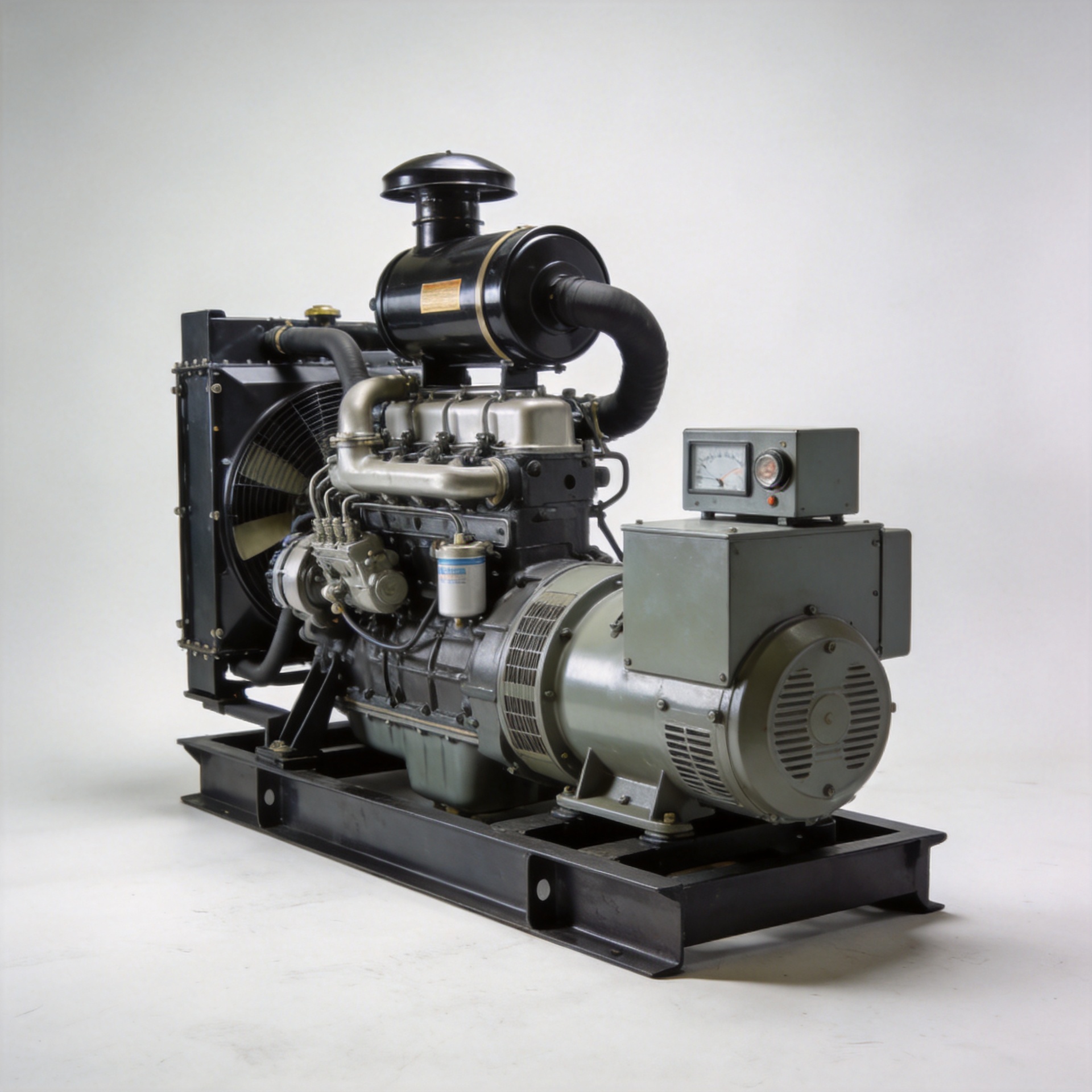
Speed Governor Supplier: How to Evaluate a Vendor
When you search for a speed governor supplier in the context of diesel generator applications, most results point you toward vehicle speed limiters for road safety — a different product category entirely. This guide covers the industrial diesel generator context: how governors control engine RPM, the difference between mechanical and electronic types, which operating mode fits your genset configuration, and what separates a capable supplier from one that causes compatibility problems on-site.
Most procurement managers sourcing generator control components learn the same lesson early: ordering based on engine brand alone rather than operating mode and actuator interface is the most reliable way to get a part that does not work. That single assumption, "it fits a Cummins," is rarely enough to confirm compatibility with any speed governor supplier worth qualifying.
Mechanical vs. Electronic: Which Type Does Your Application Require?
The two governor technologies serve the same function — maintaining stable engine RPM under changing load — but suit different applications. A mechanical governor uses flyweight centrifugal force to sense speed changes and adjust fuel delivery through a direct mechanical linkage. These units are durable and easy to maintain, but their response time and accuracy are limited compared to electronic alternatives.
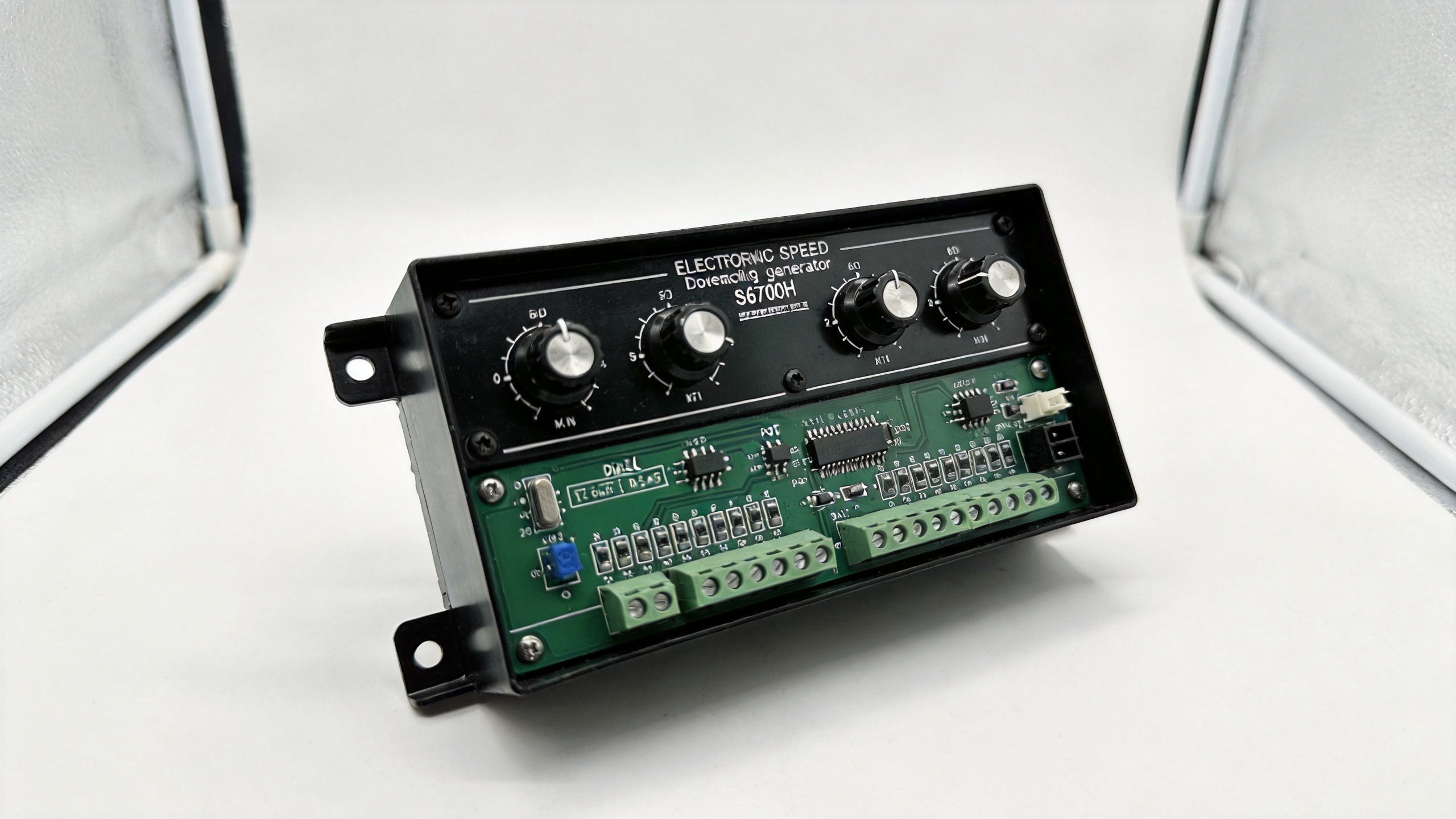
An engine speed control governor in electronic form samples a magnetic pickup signal from the engine flywheel (typically 100–7,500 Hz), processes it through a control circuit, and sends a proportional output to an actuator that adjusts the fuel rack. The electronic approach supports faster response, finer tuning, and both isochronous and droop operating modes. For industrial gensets and mobile power stations, electronic governors are the standard. Any speed governor supplier serving these applications needs to understand both types and confirm which is appropriate for your engine series before quoting.
Isochronous vs. Droop Mode: Why It Matters When Evaluating a Speed Governor Supplier
Understanding electronic governor working principles starts with these two operating modes. The correct mode determines which governor specification you need and whether your speed governor supplier can actually deliver it.
In isochronous mode, the governor holds constant engine speed regardless of load variation: 1,500 RPM for 50 Hz or 1,800 RPM for 60 Hz applications, with near-zero steady-state frequency deviation. This mode suits a standalone genset where frequency stability is the primary requirement.
Droop mode allows engine speed to decrease as load increases, typically within a 2–5% range at full load. This is not a flaw; it is how load sharing works in parallel generator configurations. Without correct droop calibration, two generators in parallel will compete for load rather than divide it, with instability or trips as the result. If your application involves parallel operation, confirm that your speed governor supplier offers a unit with adjustable droop and can advise on the correct setting for your genset pairing.
NFPA 110 requires engine speed controls to maintain speed within 10% of rated speed between no-load and full-load. A qualified speed governor supplier should be able to place their products relative to this requirement without hesitation.
Five Criteria for Evaluating Any Speed Governor Supplier
Once you have confirmed the governor type and mode your application requires, the evaluation process narrows to these criteria:
- Compatibility confirmation before order. A reliable speed governor supplier will ask for your engine model, actuator type, and speed sensor specifications before quoting. Pricing sent without these questions is a risk signal, not a sign of efficiency. Unverified actuator interface is the leading cause of governor installation failure.
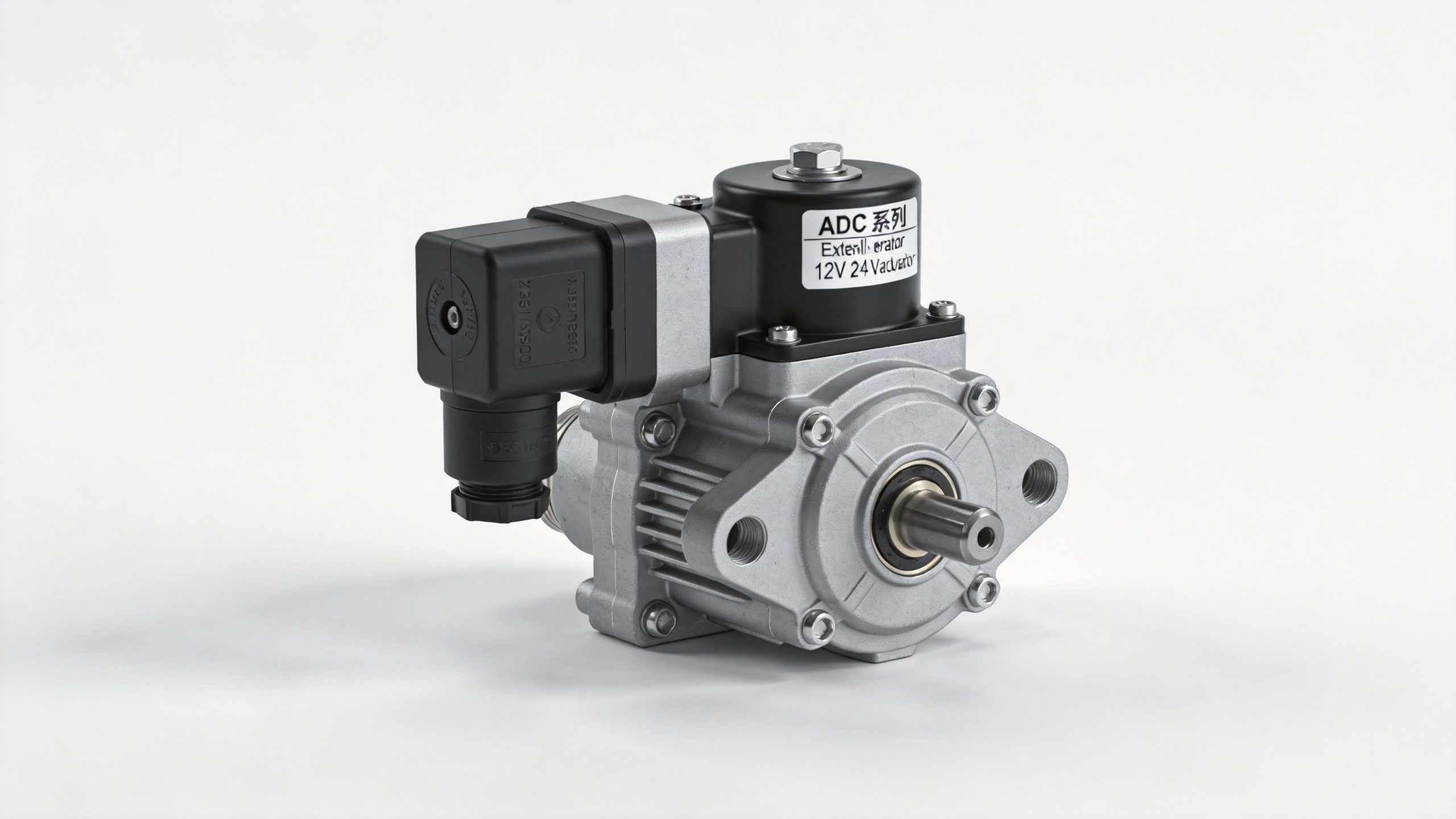
- Actuator interface match. The governor control unit and actuator are separate components that must be matched. Confirm whether the supplier can provide or advise on the correct actuator for your engine. For ADC-series actuators (ADC120, ADC175, ADC225) in 12V or 24V configurations, verify the governor's output current range matches the actuator's input requirements.
- Documentation. Wiring diagrams, installation instructions, and calibration procedures should be included with every order. A speed governor supplier who cannot confirm this at the inquiry stage adds avoidable cost to your project.
- Pre-sales technical quality. Send a specific technical question during the inquiry stage and assess the response. A supplier that provides specification-confirmed answers rather than forwarding a datasheet is generally more useful at the post-shipment stage as well.
- Batch consistency. For wholesale and distributor buyers, the real test is the fifth shipment, not the first. Ask how the supplier controls inter-batch consistency and whether traceability documentation is available on request.
Red Flags When Evaluating a Speed Governor Supplier
Two patterns appear repeatedly among procurement teams that have qualified a new generator parts vendor and encountered problems.
The first is broad compatibility claims without interface specifics. Compatibility for an onan generator governor replacement, for example, depends on actuator interface type, pickup frequency range, and control voltage — not a general statement about brand coverage. Any speed governor supplier who cannot specify these parameters on request is not positioned to prevent post-delivery returns.
The second is a competitive unit price with no confirmation of operating mode testing. An electronic governor that works in isochronous mode may not perform acceptably in droop mode without specific configuration. If a speed governor supplier cannot address this distinction at the inquiry stage, compatibility risk moves entirely to your side.
Governor Products Worth Including in Your Evaluation
Populace Electronic Co., Ltd. offers the following products relevant to diesel generator and mobile power station applications:
- The S6700H Governor Speed Controller Diesel Engine Generator Speed Control Unit supports isochronous and droop modes, designed for stable speed regulation under variable load with standard magnetic pickup input.
- The ESD5500E Speed Governor Generator Speed Control Unit Diesel Engine ESD5500E is an all-electronic unit supporting isochronous, droop, and variable speed modes, suitable for both standalone and parallel genset configurations.
- The External Actuator ADC120 / ADC175 / ADC225 for Generator Speed Governor covers 12V and 24V ADC-series configurations common in Cummins and industrial diesel applications.
Wholesale and brand-buyer inquiries are handled through kygenpower.com or populaces.en.alibaba.com, with pre-sales technical compatibility confirmation available before order placement.
What a Qualified Speed Governor Supplier Actually Does
The practical distinction between a speed governor supplier worth qualifying and one that is not comes down to whether they ask the right questions before confirming your order. Governor type, actuator interface, operating mode, and pickup frequency determine whether the unit works in your application. A speed governor supplier who addresses these at the inquiry stage, includes calibration documentation, and can show batch consistency is the profile worth committing to. One who skips those questions before quoting carries risk that typically surfaces at installation time.
For technical questions or wholesale inquiry: contact Grace at Populace Electronic Co., Ltd. — [email protected] or +86-13850383550.






