
 EN
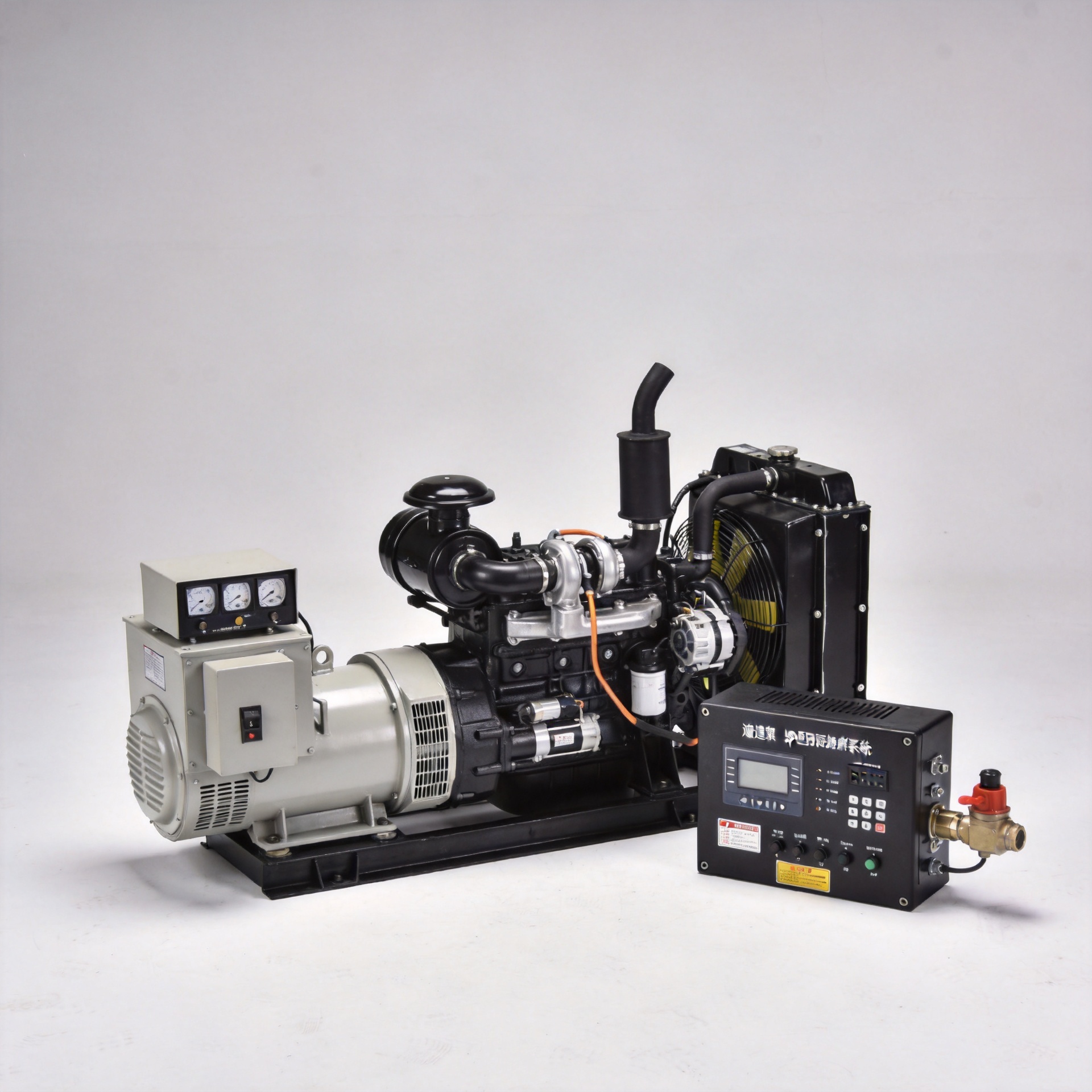
Speed Governing System for Gensets: Overview
When evaluating a diesel generator set, most buyers focus on output rating and fuel consumption. The speed governing system rarely gets the same attention — until the generator starts hunting, frequency drifts out of range, or a load pickup causes an engine stall. From experience working with generator control components across different application types, I find the governing system is one of the first things worth examining when a genset underperforms. Getting clear on how it works, and what to look for when sourcing or replacing one, saves time later.
What a Speed Governing System Does
A speed governing system regulates the rotational speed of a diesel engine in a generator set. Its job is to maintain a target RPM under varying load conditions — for a 50 Hz output, that means holding 1500 RPM on a standard four-pole alternator; for 60 Hz systems, 1800 RPM. When load increases and engine speed begins to drop, the governing system increases fuel delivery to bring the speed back. When load decreases and speed rises above target, it reduces fuel accordingly.
The system has three functional elements: a speed-sensing component, a control unit that calculates the required correction, and an actuator that physically adjusts the fuel rack or throttle position. The governor for speed control connects all three — it reads the speed signal, processes the error, and commands the actuator to correct it.
Mechanical vs Electronic Speed Governors
Two technology categories cover most genset speed governing systems: mechanical governors and electronic speed governors. They work on different principles and suit different applications.
Mechanical governors use centrifugal flyweights on a shaft driven by the engine. As speed increases, the flyweights move outward and mechanically reduce fuel delivery. As speed falls, they return inward and fuel increases. These governors are self-contained, need no external power, and have a decades-long track record on older generator models. The limitation is response time — typically 200–500 milliseconds. That's often fast enough, but on sensitive loads or applications with abrupt load steps, the lag is noticeable as momentary frequency variation.
Electronic speed governors use a magnetic pickup or frequency signal to give the control module a real-time speed reading. The module calculates a correction and drives a proportional actuator — usually an electric solenoid — to adjust fuel. Response time is in the 20–100 millisecond range, which is a meaningful improvement. The ESD5500E is a widely installed example: an electronic speed governor module for diesel gensets with adjustable gain settings to accommodate different engine response characteristics. The S6700H Governor Speed Controller takes a similar approach, with individually adjustable gain, integral, and derivative parameters for more precise tuning on specific engine and load configurations.
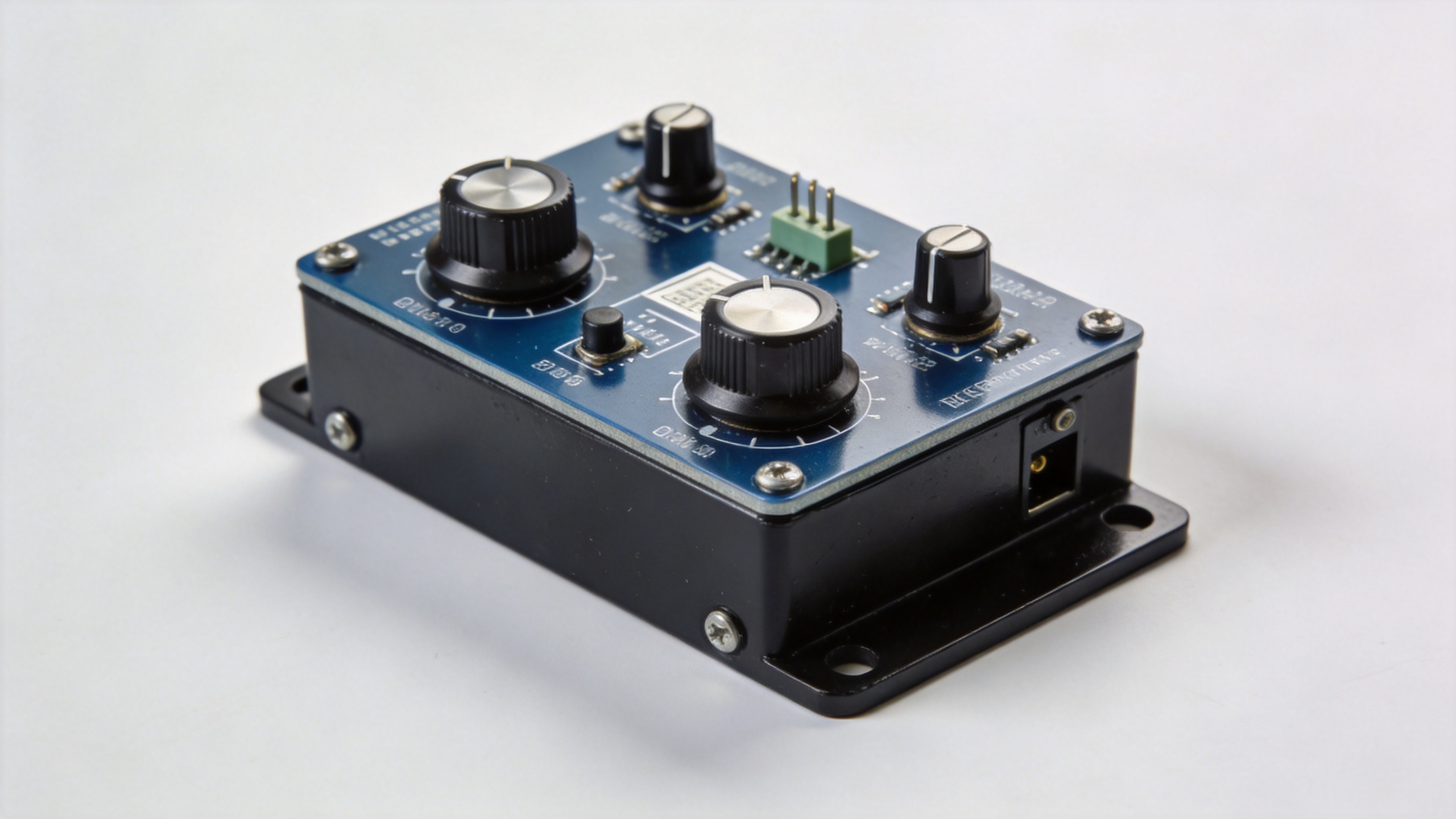
Both types are still in active use. Older gensets running mechanical governors can be upgraded to electronic speed control by adding a compatible module and actuator — worth factoring in when you're sourcing parts for an aging fleet.
Isochronous Mode vs Droop Mode
How the governing system operates depends on whether the genset is running alone or in parallel with other units. The two modes are isochronous (constant speed) and droop.
In isochronous mode, the system holds a fixed RPM regardless of load. More load means more fuel to hold the speed constant; less load means less fuel. This is the right choice for single-genset operation on an isolated power system — a remote industrial site, a mobile power station, anywhere the generator is the sole source and stable frequency output matters for the connected load.
In droop mode, engine speed is intentionally allowed to decrease slightly as load increases — typically 2–5% from no load to full load. This is not a deficiency; it's what makes proportional load sharing possible when multiple generators run in parallel. Without droop, two generators on the same bus would compete for load rather than share it, causing instability. If your application involves parallel operation, verify that the speed governing system you're sourcing supports adjustable droop. The S6700H-based units include accessible droop adjustment specifically for this purpose.
Speed Governing Requirements: Industrial Gensets vs Mobile Power Plants
The governing requirements differ depending on the application. Fixed standby installations — data centers, hospitals, manufacturing plants — tend to prioritize steady-state frequency stability. Load events are relatively predictable and infrequent, so a modest transient response time is acceptable.
Mobile power plants and prime power units face a different situation. Load changes are frequent and sometimes abrupt, and there's no grid backup to absorb transients. Electronic speed governors are generally preferred here because of the faster response. For mobile applications already using a DeepSea 4620 (DSE4620) controller for protection, monitoring, and start/stop logic, the electronic speed governor runs alongside it — the DSE4620 handles the control and protection side, while the dedicated governor module manages the engine RPM regulation loop.
Actuators and the Speed Governing Loop
The actuator is where the electronic signal becomes mechanical action. It physically moves the fuel rack or throttle lever on the injection pump. Common actuator types used with electronic governors are the ADC120, ADC175, and ADC225 series — external proportional actuators rated for 12V or 24V DC, designed to interface with electronic governor modules and provide the required fuel control movement.
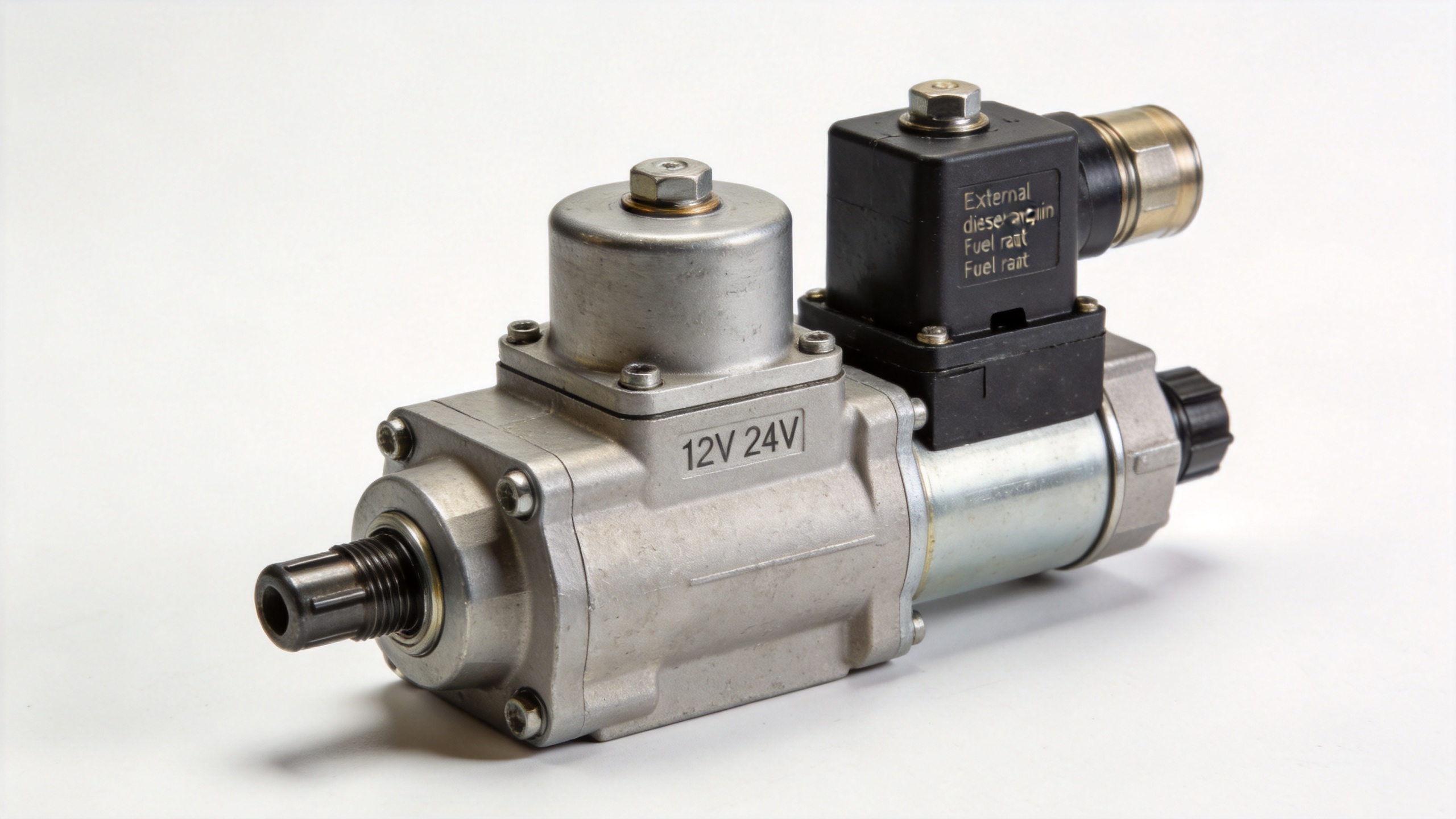
Actuator-governor mismatches are one of the more common commissioning problems I've seen. The actuator's power rating, feedback range, and mechanical travel have to correspond to what the governing module expects. If the wrong model is installed — especially when sourcing from a new supplier — the governing loop may oscillate, hunt at idle, or fail to hold speed under load. Confirming the actuator interface before purchase is a step worth taking.
Governor Calibration and Adjustment
Electronic speed governors need calibration to the specific engine and load profile. The main adjustments are gain (proportional response), integral (steady-state correction rate), and derivative (response to rate of change). A reasonable starting approach: set gain to mid-range, run the engine unloaded and check for stable idle, then apply a step load and observe the transient. If the engine hunts, reduce gain. If the speed recovery is sluggish after a load step, increase integral slightly. Derivative is usually the last to adjust and deserves care — too much introduces high-frequency oscillation rather than fixing the problem.
Before purchasing an electronic speed governor, verify the module comes with adjustment documentation that specifies parameter ranges and a recommended starting point for your engine class. Missing calibration guidance is a practical problem that comes up more often than expected when sourcing from unfamiliar suppliers.
Products for Speed Governing System Applications
For genset operators and procurement teams evaluating electronic speed governing options, Populace Electronic Co., Ltd. offers governor modules and actuators sourced for diesel engine generator sets:
- The S6700H Governor Speed Controller Diesel Engine Generator Speed Control Unit provides adjustable electronic speed control with configurable gain, integral, and derivative parameters for diesel generators.
- The ESD5500E Speed Governor Generator Speed Control Unit Diesel Engine ESD5500E is a broadly compatible electronic speed governor module for diesel genset configurations.
- The POPULACE External Actuator ADC120 / ADC175 / ADC225 for Generator Speed Governor provides the mechanical output interface for the governing loop, in 12V and 24V configurations.
Technical compatibility questions on governor modules and actuators can be directed to [email protected] or via the Alibaba storefront at populaces.en.alibaba.com.
Key Takeaways
The speed governing system determines how well a diesel genset holds frequency under variable load. Mechanical governors cover older installations; electronic speed governors deliver faster response and fit modern applications including mobile power and parallel genset operation. Whether you need isochronous or droop mode depends on how the genset is being used — standalone versus parallel. Actuator compatibility is a procurement detail that's worth confirming in advance. With a governor for speed control matched to your engine and application requirements, stable operation under variable load is achievable without extensive post-installation adjustment.






