
 EN
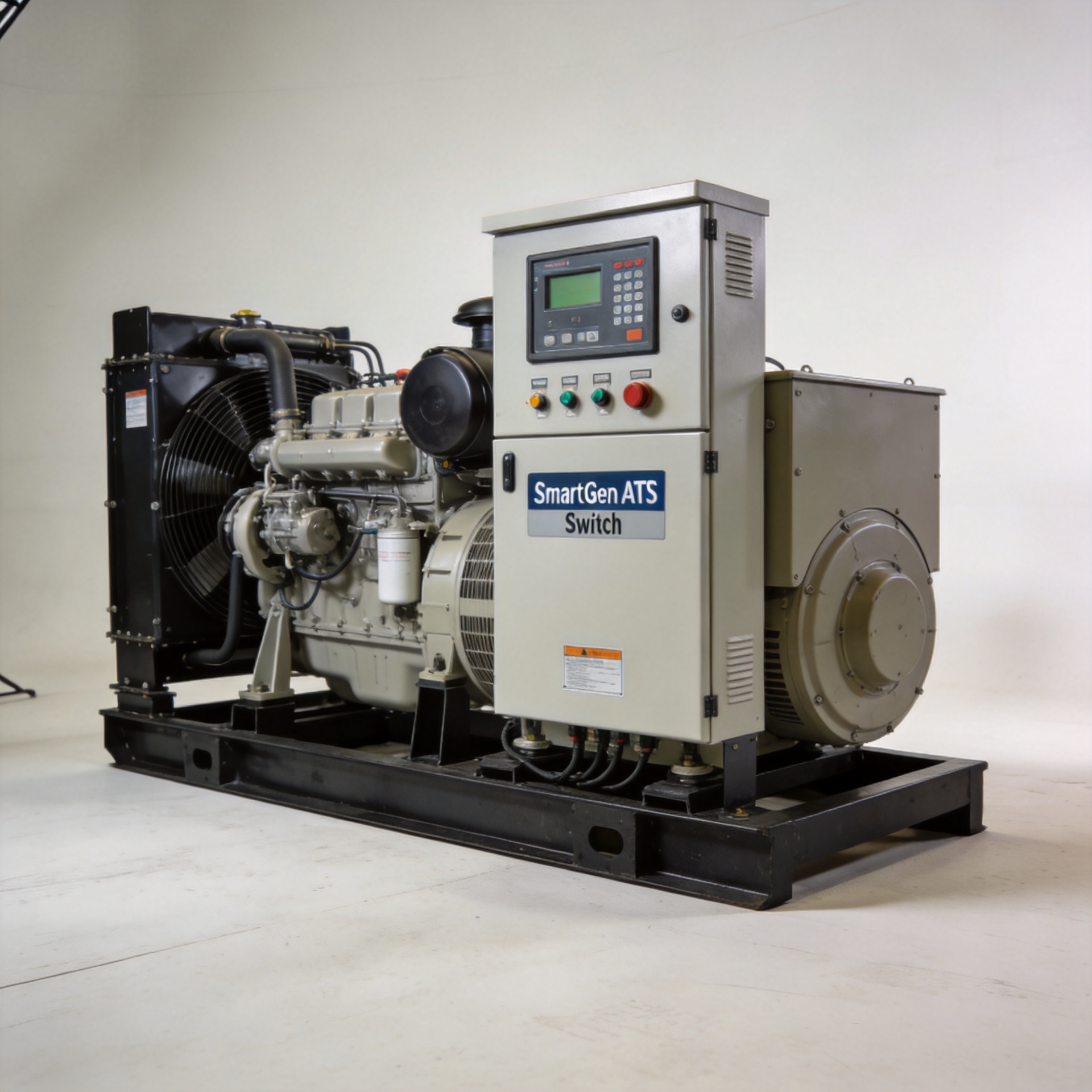
SmartGen ATS Controller: Auto Transfer Switch Setup
For genset integrators working with diesel generators, selecting the right ATS controller determines not just whether the generator starts automatically. It also determines how smoothly the entire power transfer sequence executes under real load conditions. The controller you choose defines how much of the ATS logic sits in the controller itself versus in a separate switchgear panel.
SmartGen, a Chinese manufacturer specializing in generator control systems, produces a range of controllers through its HGM series. Knowing how to configure a SmartGen ATS controller correctly saves significant rework during commissioning. This guide covers the HGM6110N and HGM6120N variants, setup steps, and how the SmartGen ATS controller compares against alternative options from Deep Sea Electronics and Dynagen.
SmartGen HGM Series: HGM6110N vs HGM6120N
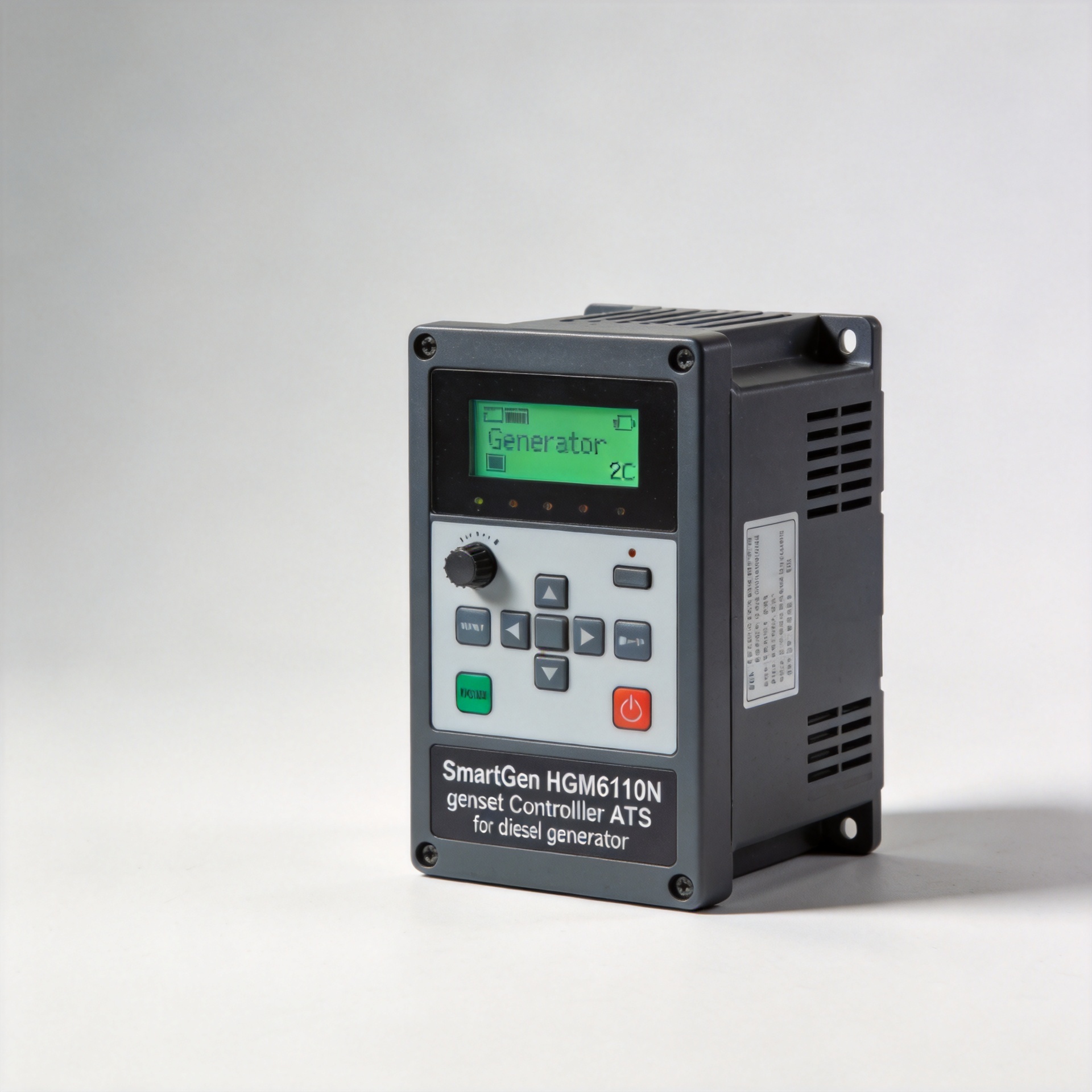
The HGM6100N product family is the core platform for automatic genset control. Within this series, the key distinction most integrators need to clarify when selecting a SmartGen ATS controller is between the HGM6110N and HGM6120N:
- HGM6110N — Automatic Start Module. This variant controls the generator start and stop sequence via a remote start signal. The generator starts when the signal is active and stops when it is removed. This configuration requires an external ATS panel to manage the transfer switching; the controller handles genset management, not the mains-to-generator transfer itself.
- HGM6120N — AMF Controller. This model integrates mains sensing directly. When utility power fails, the HGM6120N detects the voltage dropout and initiates the start sequence automatically, then manages the transfer to generator supply. When mains power returns, it handles retransfer and cooldown.
If your installation requires a SmartGen ATS controller that handles both the generator and the ATS switching logic within one unit, the HGM6120N is the correct choice. The HGM6110N is suited for installations where a standalone ATS panel already manages the transfer logic and only needs a start/stop signal to the genset controller.
Both models share a common wiring interface across the HGM6100N series, which simplifies panel design when both variants are used across different project sizes in the same product family.
Step-by-Step ATS Controller Configuration
Whether you are working with the HGM6110N or HGM6120N SmartGen ATS controller, the setup sequence follows a consistent structure. Here is what the configuration process typically covers:
- Voltage and frequency parameter entry — Set the rated voltage (e.g., 230VAC single-phase or 400VAC three-phase) and frequency (50 Hz or 60 Hz) according to your local grid standard. Mismatched voltage settings are among the most common causes of false fault trips during initial commissioning. If your application runs at a stable load profile, that voltage setting will usually hold without adjustment.
- Generator start delay and crank parameters — Define the pre-heating delay if your engine requires it, the crank time, and the crank rest intervals. These settings vary by engine displacement and ambient temperature range.
- Mains sensing thresholds (HGM6120N) — For AMF models, configure the mains voltage dropout threshold (typically 70–80% of nominal) and the return threshold (typically 90–95% of nominal), along with the delay before retransfer to prevent false triggers from momentary fluctuations.
- Transfer timing — Set the transfer delay from generator-ready signal to ATS closing, and the dead-band interval to avoid simultaneous connection of both sources.
- RS485 communication (if applicable) — Both models support RS485 for SCADA or building management system integration. Confirm baud rate and protocol settings match your monitoring system before completing the installation.
2-Wire Auto Start Wiring
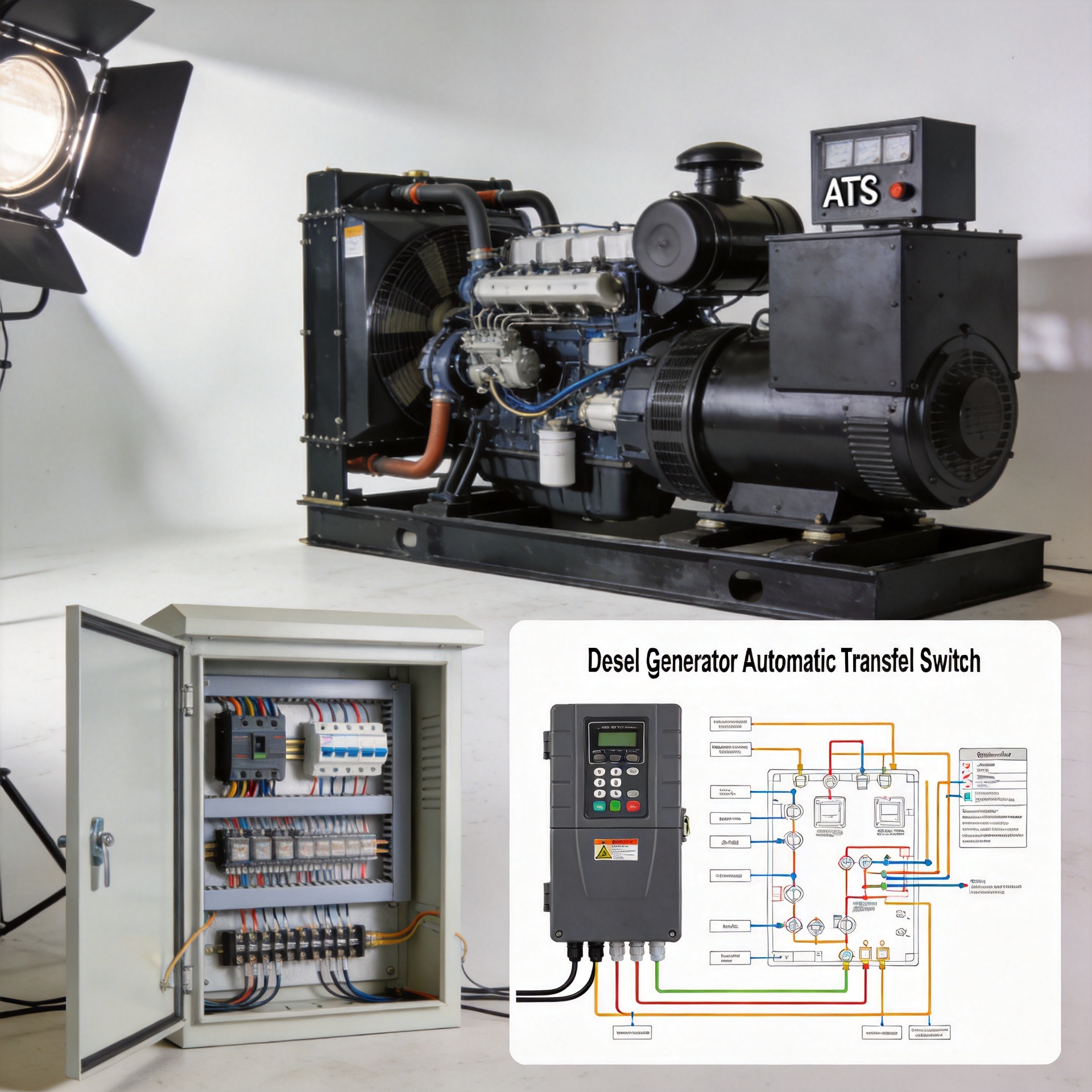
For remote start applications using a 2 wire auto start generator controller setup, the HGM6110N handles this natively. A two-wire remote start signal — often from a changeover contact on an external ATS or from a BMS — connects to the dedicated remote start input. The controller interprets contact closure or open state as the start or stop command.
Whether that exact configuration will work on your specific unit depends on a few variables worth confirming before commissioning, particularly the contact voltage and current ratings on the remote start input. Most standard dry contacts from commercial switchgear are compatible with a 2 wire auto start generator controller setup, but check against the HGM6110N datasheet for your firmware version.
If your application also involves battery management or a charge controller with generator input, verify that the battery voltage monitoring circuit in the HGM6110N is configured to read your actual battery bank voltage. Incorrect voltage range settings cause premature low-battery shutdowns, which can look like genset faults during initial testing. A properly configured charge controller with generator input should sync its battery sensing range with the controller's monitoring thresholds before commissioning.
SmartGen vs. Deep Sea Electronics and Dynagen: A Practical Comparison
For integrators evaluating sourcing options, the SmartGen HGM series and Deep Sea Electronics (DSE) AMF controllers cover similar functionality. Integrators familiar with a Dynagen controller platform will find the HGM6120N occupies a similar functional category: AMF with integrated mains sensing, RS485 communication, and configurable transfer parameters. The I/O layout differs across brands, so panel designs are not directly interchangeable, but the commissioning logic follows the same structure.
Key differences affecting project economics when choosing a SmartGen ATS controller versus DSE or a Dynagen controller:
| Factor | SmartGen HGM6110N / HGM6120N | DSE equivalent (e.g., DSE7110 / DSE7120) |
|---|---|---|
| Price tier | Lower unit cost, especially at volume | Higher unit cost, brand premium applies |
| ATS integration | HGM6110N needs external ATS; HGM6120N integrates mains sensing | Similar AMF/ATS integration approach |
| Communications | RS485, CAN variants available | RS485, Ethernet, cloud options at higher tier |
| Technical documentation | Comprehensive manuals; RS485 protocol documented | Extensive documentation, large installed base |
| Sourcing | Available from specialist suppliers and B2B platforms | Broader distributor network in some regions |
DSE equipment carries a cost premium that is often justified when the end customer requires a specific brand or where regional service networks are critical. For wholesale buyers and OEM integrators building their own genset packages, the SmartGen ATS controller provides comparable AMF and ATS functionality at a lower unit cost. Buyers who have worked through one DSE-to-SmartGen evaluation tend to reassess the documentation and wiring diagram quality first, and generally find the SmartGen materials adequate for standard commissioning scenarios. The same applies when comparing the SmartGen ATS controller against a Dynagen controller option for mid-range genset projects.
Product Availability and Technical Support
For integrators sourcing for OEM applications or wholesale supply, Populace Electronic Co., Ltd. supplies the SmartGen HGM series with technical documentation included as standard.
The Smartgen HGM6110N Genset Controller ATS Auto Start Module is suited for installations requiring a remote-start-triggered genset controller with an external ATS panel. The HGM6120N Controller Intelligent Diesel Genset ATS is the appropriate selection for single-unit AMF installations where the controller handles mains sensing and transfer switching directly.
For projects requiring an alternative controller platform with European brand positioning, the DATAKOM D-300-MK3 Genset Controller is also available for integrators who prefer a different controller family with a similar AMF feature set.
Configuration Notes for Genset Integrators
Most experienced integrators come to a similar conclusion: SmartGen ATS controller selection is not primarily about brand recognition. It is about matching the ATS logic, I/O configuration, and communications interface to the specific installation requirements. SmartGen's HGM series, properly configured, handles standard ATS and AMF scenarios reliably.
The setup process is structured enough that first-time users can commission a working system from documentation. That said, the parameter details — particularly mains sensing thresholds and transfer timing — are worth reviewing against your actual site conditions before commissioning. Voltage thresholds that work cleanly on a stable utility supply may trigger nuisance trips in areas with frequent voltage sags, and adjusting those parameters early avoids unnecessary service calls after installation.






