
 EN
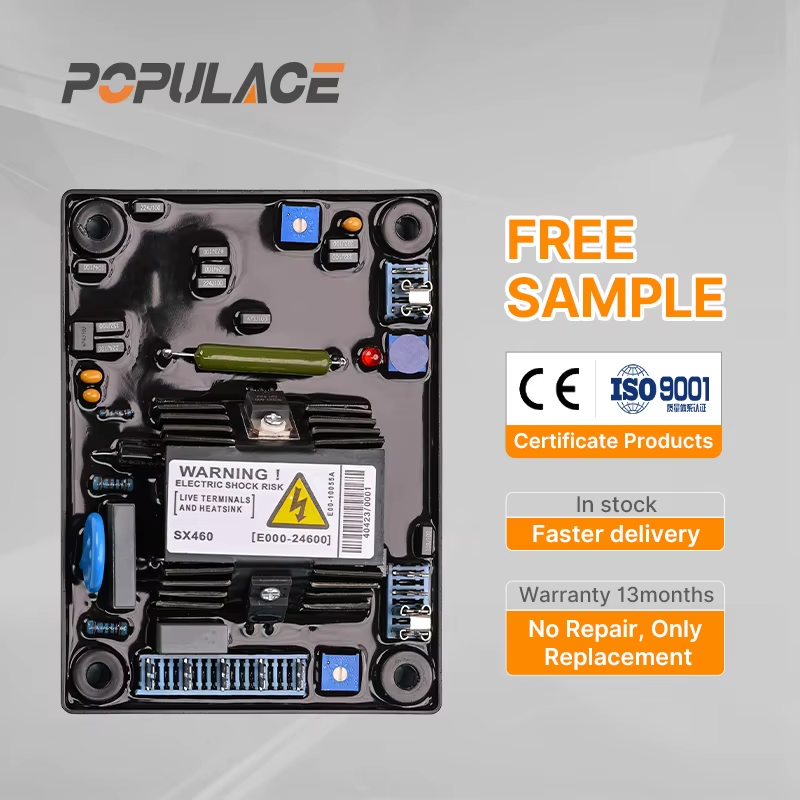
What Is the Best AVR for a 5KW Diesel Generator Set?
There is no universal avr 5kw board for every diesel generator. The right regulator is the one that matches the alternator’s excitation method, rated voltage and phase, sensing arrangement, field circuit, connector layout, and intended duty. For a maintenance technician, that distinction matters more than a listing that simply says “5 kW.” A board that looks similar can still produce unstable voltage, no build-up, or damage if its wiring and field requirements do not match the alternator.
This guide turns the avr 5kw choice into a practical verification process. Use it before ordering a replacement or sending an inquiry to a supplier.
Why a 5 kW Rating Does Not Identify the Correct AVR
A generator set rating describes the output capacity of the complete machine, not the complete electrical identity of its regulator. Search listings for a 5kw automatic voltage regulator show different phase claims, connectors, wire counts, and capacitor or electronic designs. That is why a 5kw generator avr board cannot be selected reliably by power rating alone.
Start with the alternator nameplate and the old regulator label. Record the generator output voltage, frequency, phase, rated current, alternator model, and AVR part number. Then inspect the wiring without relying on wire color alone. A nominally similar avr 5kw may be intended for a single-phase brush alternator while another regulator is designed around a different sensing or excitation arrangement.
The Six Compatibility Checks That Matter
1. Output voltage, phase, and frequency
Confirm whether the set is single-phase or three-phase, and whether it is configured for the required voltage and frequency. Do not assume that a 220 V single-phase unit and a 380 V three-phase unit can share an avr 5kw regulator. The sensing circuit must be designed for the actual output being monitored.
2. Excitation system and field circuit
Identify how the alternator receives excitation. Small sets may use a brush and slip-ring field circuit, while other alternators use shunt, auxiliary-winding, or permanent-magnet-generator excitation. AVRs are available for different excitation systems, so the supplier needs the alternator model and the old board’s terminals before recommending an avr for 5kva generator.
Where the manufacturer documentation permits it, compare field resistance and the expected field supply range with the replacement specification. This is a confirmation step, not a reason to energize unknown terminals. Isolate the generator, follow lockout procedures, and use a qualified technician for electrical measurements.
3. Voltage sensing connections
The AVR must sense the correct generator output. Count the sensing leads and trace their termination points on the old board and terminal block. A small generator voltage stabilizer with a different sensing input can regulate poorly even if it physically plugs in. Loose terminals, wrong sensing points, and swapped connections can all resemble a failed regulator.
4. Plug style, pinout, and wire count
Compare connector shape, pin positions, terminal labels, spade terminals, and individual wires. Photograph both sides of the old 5kw generator avr board before removal. A plug that fits is not proof that the pins perform the same function. Match terminal designations, not merely the number of wires.
5. Adjustment and protection functions
Check whether the original board has a voltage trim, stability adjustment, under-frequency roll-off, or protection feature. These functions are model-specific. For example, one published AVR manual describes an adjustment range of about ±15% for that particular model; it is not a universal setting for every avr 5kw. Use the replacement board’s own instructions for commissioning.
6. Operating application
A lightly loaded emergency set and a generator that sees frequent motor starts can place different demands on voltage recovery and stability. Tell the supplier whether the diesel set runs pumps, tools, lighting, electronics, or mixed loads. Application details help determine whether an avr for 5kva generator is an appropriate match rather than just a nominally compatible part.
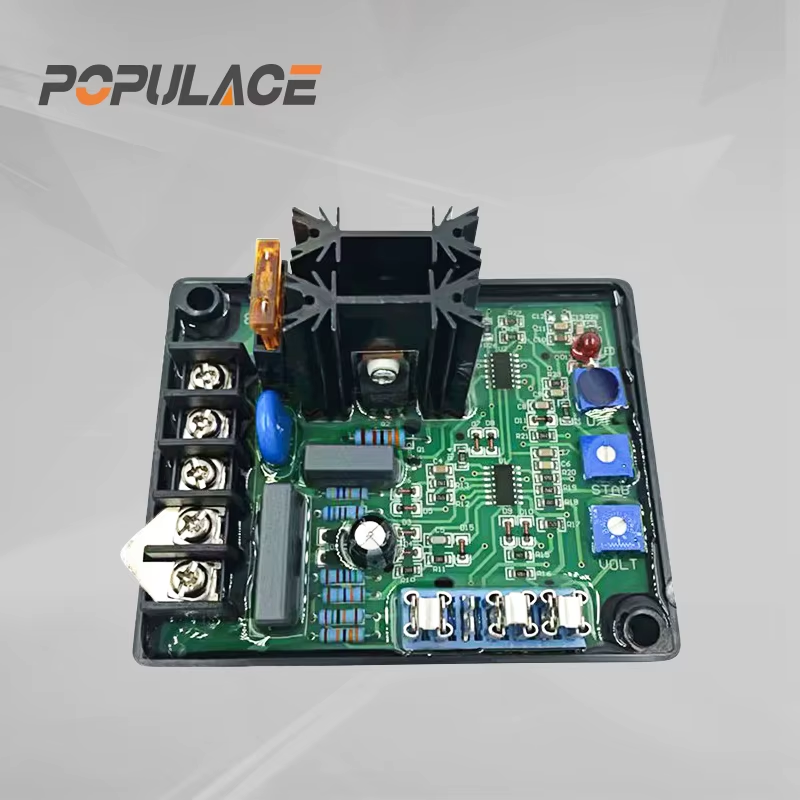
A Replacement Checklist Before You Order
- Copy the alternator and generator nameplate information.
- Read the old AVR part number, revision, and terminal markings.
- Take clear photos of the board, connectors, brush leads, and terminal block before disconnecting anything.
- Confirm output voltage, phase, frequency, excitation type, and sensing arrangement.
- Count wires and compare the actual pinout and terminal labels.
- Describe the load profile and any symptom: low voltage, high voltage, hunting, no voltage build-up, or intermittent output.
- Ask for the replacement specification and wiring diagram in writing before installation.
This checklist is more useful than requesting a generic avr 5kw. It gives the supplier enough information to rule out a close-looking but unsuitable 5kw automatic voltage regulator.
How to Replace an AVR Safely
First, stop the generator, isolate starting power, and verify that the set cannot start unexpectedly. Mark every lead, photograph the original routing, and inspect brush condition, terminals, fuses, and harness damage before blaming the regulator. Fit the new avr 5kw only according to its terminal markings and the approved wiring diagram. Do not transfer settings from an unrelated board by guesswork.
After reassembly, start with no load and observe output voltage and frequency using suitable instruments. Then add load gradually while watching for voltage instability, overheating, abnormal brush sparking, or an unexpected adjustment response. If output remains abnormal, stop and recheck sensing, excitation wiring, engine speed, and alternator condition. Replacing a small generator voltage stabilizer will not correct a mechanical governor problem, poor engine speed, an open field circuit, or a damaged rotor.
What to Send a Supplier
A capable generator-parts supplier can help with compatibility when the inquiry is specific. Send the alternator model, generator rating, voltage, phase, frequency, old AVR photos, terminal labels, connector photo, wire count, field/brush information if known, and a description of the application. Populace Electronic Co., Ltd. supplies generator control components and offers pre-sales technical compatibility support, but a recommendation should still be based on the confirmed details of your set.
For distributors, request confirmation of the model mapping, wiring diagram, documentation language, packing requirements, and batch consistency for repeat orders. Avoid claims that a particular avr 5kw is universal unless the supplier can document every relevant alternator configuration.
Conclusion
The appropriate avr 5kw is not defined by a 5 kW label. It is the regulator that matches the alternator’s sensing voltage, phase, excitation system, field circuit, wiring, connector pinout, and operating load. Verify those details, install with an approved diagram, and commission the generator gradually. That approach reduces avoidable returns and gives a replacement 5kw generator avr board a sound basis for stable output.






