
 EN
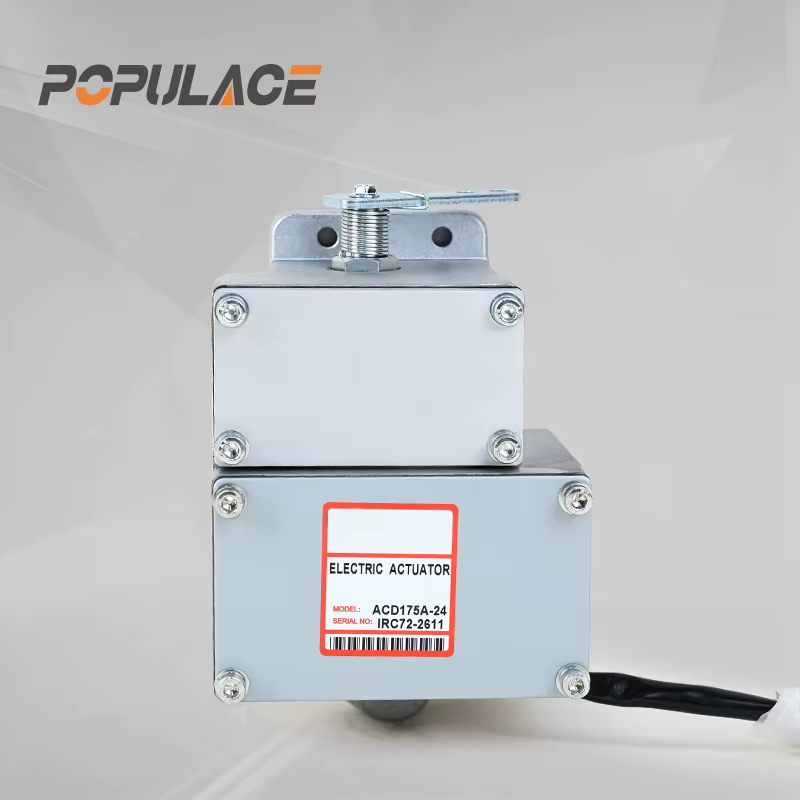
What Are the Differences Between Mechanical and Diesel Generator Governor Types?
Every diesel generator needs a governor. Without it, engine speed drifts whenever the electrical load changes, producing unstable frequency output. What most buyers don't realize until they're sourcing a replacement is that there are two fundamentally different control approaches: the mechanical governor and the electronic governor. Understanding which type is fitted to your generator, and what that means for performance, maintenance, and sourcing, is essential before placing an order for a diesel generator governor.
What Does a Diesel Generator Governor Do?
A diesel engine governor is the component responsible for regulating the rotational speed of the engine, and therefore the output frequency of the generator. When electrical load increases, the engine tends to slow down; when load drops, it tends to speed up. The governor detects these deviations and adjusts fuel delivery to bring speed back to the target RPM, typically 1500 rpm for a 50 Hz system or 1800 rpm for a 60 Hz system.
The governor for diesel generator operation essentially functions as the speed management layer of the system: its accuracy and response time determine how well the generator holds frequency under changing loads. This is why governor type matters not just for installation engineers, but for anyone sourcing replacement parts or specifying generators for a new project.
How a Mechanical Governor Works
A mechanical governor diesel mechanism relies on centrifugal flyweights mounted on a rotating shaft. As engine speed increases, the flyweights move outward due to centrifugal force, compressing a spring and physically actuating a fuel control lever that reduces fuel supply. As speed drops below target, the spring pushes the lever back toward increased fuel. The entire system operates through a series of linkages, levers, and spring tension. No electronic components are involved.
This design has a long service history. Mechanical governors are simpler to understand, require no electrical power supply of their own, and can be serviced by a technician with basic tools. Adjustment involves changing spring preload to set the target speed and droop, and physically checking linkage travel using a tachometer or frequency meter. For older gensets in remote locations, that hands-on serviceability is a significant operational advantage.
The limitation is response speed. When load changes suddenly, a mechanical governor has to physically move mass before fuel delivery changes. This means larger frequency deviations under step-load events and slower recovery compared to electronic alternatives. For applications where load profiles are relatively stable, this is acceptable. If the load swings unpredictably, as in facilities with variable industrial equipment or sensitive electronic loads, the slower mechanical response can create noticeable frequency instability.
How an Electronic Governor Works
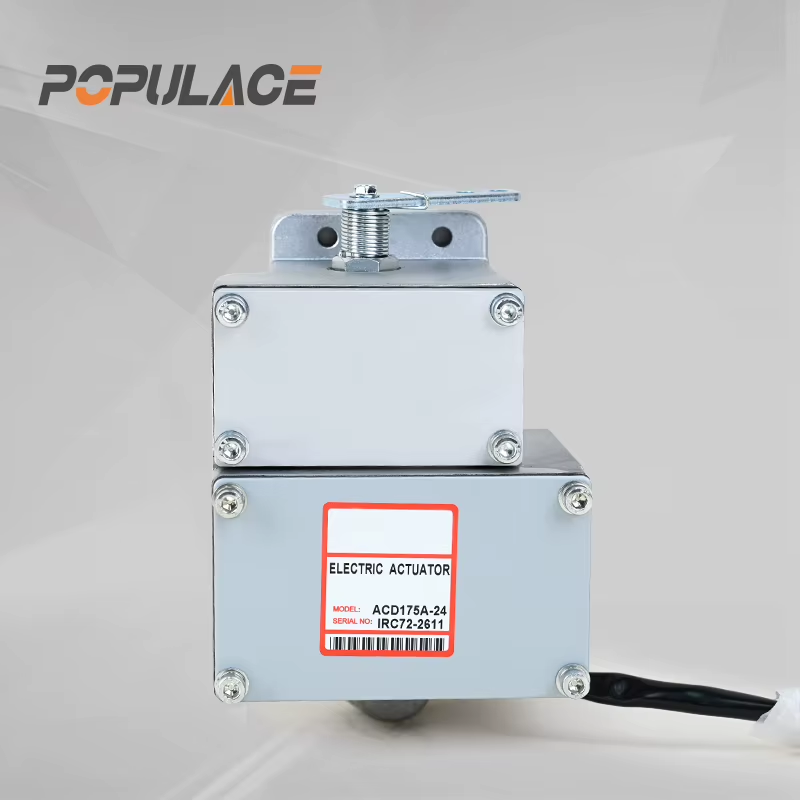
An electronic governor diesel generator system replaces the flyweight mechanism with a magnetic pickup sensor (MPU) mounted near the ring gear or flywheel. The sensor detects engine speed electronically by counting gear tooth pulses, feeding that signal to an electronic control module (ECM) that calculates the deviation from target speed and outputs a correction signal to a proportional actuator on the fuel system.
The electronic approach responds faster because the signal path is electrical rather than mechanical. When load changes suddenly, the ECM detects the speed deviation within milliseconds and sends a correction before the flyweight mechanism would have had time to move. The result is tighter frequency regulation and smaller transient deviations under load steps.
Electronic governors also allow software-adjustable parameters (gain, stability, and droop) that can be tuned via potentiometers on the actuator driver board or, on modern digital units, through a laptop interface. This tunability makes electronic governors particularly well-suited to complex generator applications: parallel operation setups requiring synchronized load sharing, installations paired with digital AVR systems for coordinated voltage-frequency control, and applications requiring compliance with tighter power quality standards.
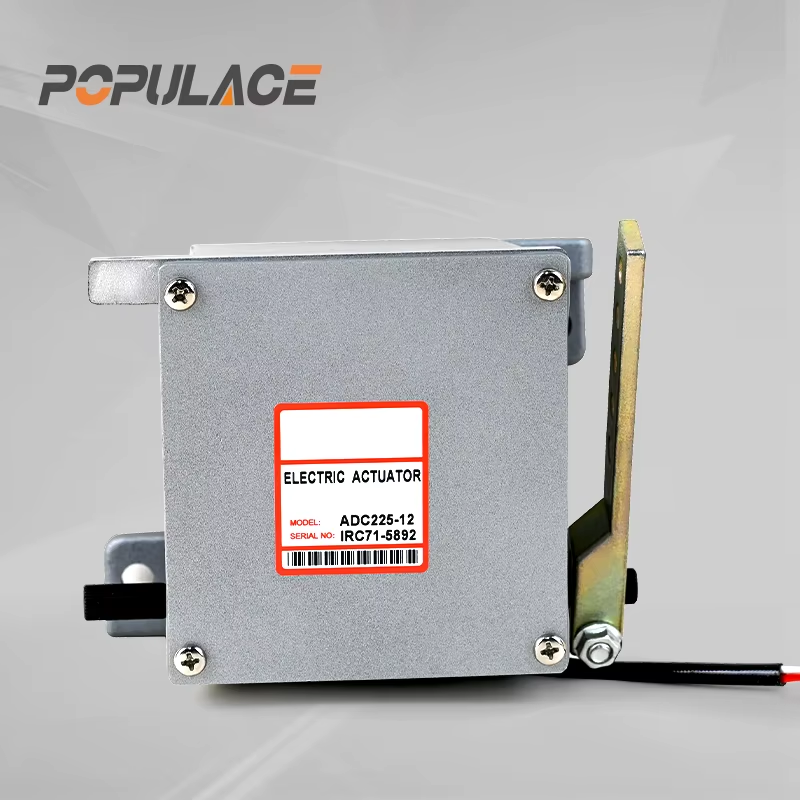
The trade-off is that electronic governors add system complexity. The magnetic pickup, the ECM, and the actuator are each potential failure points that mechanical governors don't have. Fault diagnosis typically requires a multimeter, oscilloscope, or laptop rather than just a wrench. For buyers managing generators in locations with limited technical support, this matters when evaluating long-term operational risk.
Side-by-Side Comparison
| Feature | Mechanical Governor | Electronic Governor |
|---|---|---|
| Operating principle | Centrifugal flyweights + spring linkage | Magnetic pickup sensor + ECM + actuator |
| Response speed | Slower — mechanical mass must move | Faster — electrical signal path |
| Frequency stability | Acceptable for stable loads | Tighter regulation, better for variable loads |
| Adjustment method | Spring preload, manual linkage | Trim potentiometers or laptop interface |
| Maintenance complexity | Low — basic tools, no electronics | Higher — requires electronic test equipment |
| Parallel operation support | Limited | Supported with compatible load-sharing modules |
| Typical application | Older gensets, remote/basic environments | Modern gensets, critical facilities, parallel sets |
| Cost | Lower component cost | Higher component cost, but wider tuning capability |
Which Governor Type Does Your Generator Have?
If you're sourcing a replacement diesel generator governor, identifying which type is already installed is the necessary first step. Look for the following:
- Mechanical governor: A housing attached to the engine, often with visible spring adjustment screws, and a rod linkage running to the injection pump. No wiring harness at the governor itself.
- Electronic governor: A small control module (ECM or actuator driver) with a wiring harness, plus a magnetic pickup sensor near the flywheel or ring gear. The actuator is typically connected electrically to the fuel rack or injection pump rather than through a direct mechanical linkage.
When in doubt, cross-reference the engine model and serial number with the original equipment documentation, or contact a supplier who can provide specification confirmation before order. Ordering the wrong governor type, or the right type with an incompatible actuator interface, is one of the most common sourcing mistakes with diesel generator governors, and one that causes the most delays when the generator is already down.
Sourcing Considerations for Wholesale and B2B Buyers
For distributors and brand merchants sourcing governor for diesel generator applications in volume, the governor type distinction has procurement implications beyond just technical fit. Electronic governors involve more components; the ECM, actuator, and MPU are typically sourced or replaced as a set, whereas mechanical governor diesel replacements are typically single-unit purchases.
Compatibility verification matters more for electronic governors because the interface between the ECM and the actuator must match the engine's fuel system characteristics. A supplier who provides pre-sales technical confirmation (engine model, fuel system type, and required actuator interface) reduces the risk of post-shipment compatibility issues that are difficult to resolve remotely.
KYGEN Power (www.kygenpower.com) supplies both mechanical and electronic speed governor products for generator applications, with direct factory access through Populace and Doopser brands. For wholesale buyers and brand merchants sourcing governor parts for diesel generator servicing or fleet maintenance, inquiries with the engine model and current governor type information allow specification-confirmed quotations.
Summary
The fundamental difference between mechanical and electronic diesel generator governors is the control mechanism: centrifugal flyweights and physical linkages versus magnetic pickup sensors and electronic control modules. Mechanical governors are simpler, more field-serviceable, and lower in cost; electronic governors offer faster response, tighter frequency control, and greater tuning flexibility. The right choice depends on the generator application, load profile, maintenance environment, and whether the installation requires parallel operation or integration with digital AVR systems.
When sourcing a replacement diesel engine governor, confirm the type fitted to your engine before specifying a part, and work with a supplier who can verify compatibility at the model level rather than at the brand level alone.






