
 EN
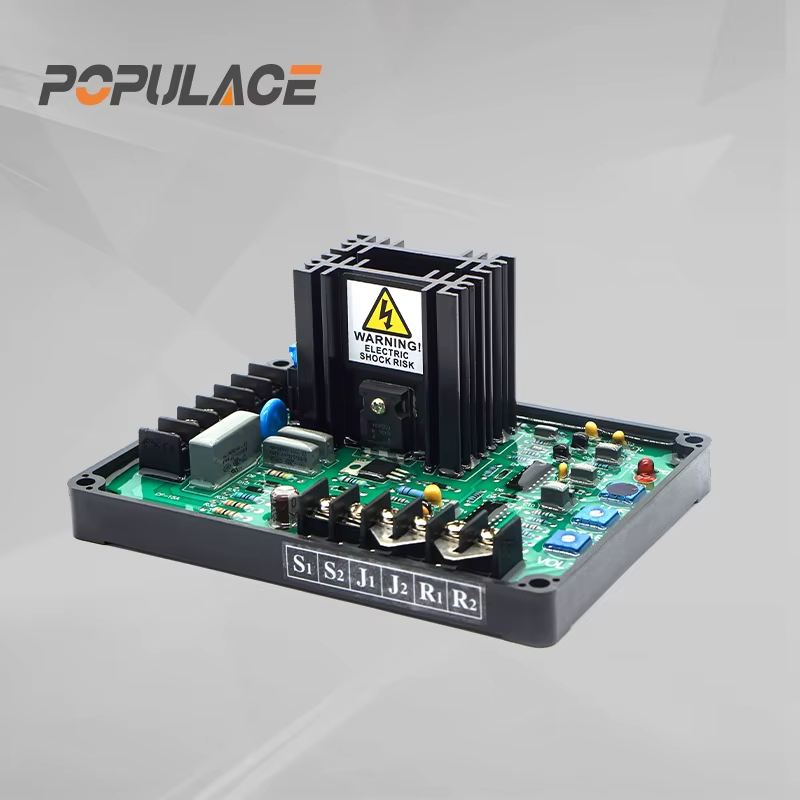
Troubleshooting Common GAVR Malfunctions in Small Generators
When a small generator starts normally but the outlet voltage is missing, low, high, or unstable, the GAVR is often the first part people suspect. That is understandable: a GAVR automatic voltage regulator controls excitation so the alternator can hold a usable output. Still, a GAVR is only one link in the system. A careful test sequence prevents an unnecessary regulator swap and, more importantly, avoids damage to the alternator or connected equipment.
From a genset maintenance perspective, begin with a simple rule: do not adjust a GAVR before you know the engine speed, wiring condition, and safe test points. The label may say universal AVR GAVR, but universal does not mean every terminal layout, sensing range, or field circuit is interchangeable.
Start safely before testing a GAVR
Disconnect sensitive loads, use a meter rated for the expected voltage, and work only with the generator’s wiring diagram. Stop the generator before moving leads or removing a GAVR. If the unit has been running, allow it to cool; a regulator board and nearby connectors can retain heat. If you are not trained to work around live generator circuits, use a qualified technician.
Record the symptom first: no AC output, low output, high output, fluctuating output, or voltage that changes only when a load is applied. This one note makes later GAVR checks much more useful. Also confirm that the engine is at its specified governed speed. A regulator cannot correct a frequency problem caused by engine RPM.
Malfunction 1: no voltage or very low voltage
A generator with no output does not automatically have a failed GAVR. Inspect the GAVR plug, sensing leads, field leads, fuse where fitted, and ground connections for looseness, corrosion, heat marks, or broken insulation. Then compare the regulator terminals with the generator diagram. A lead installed in the wrong position can mimic a dead GAVR.
Next, check whether the alternator has lost residual magnetism or whether the field circuit is open. Field flashing, resistance tests, and live excitation tests should follow the manufacturer procedure for that alternator. Do not improvise a field-flash voltage or polarity from a generic video. A generator AVR GAVR circuit may use a different arrangement from another small generator.
If wiring, fuses, brushes where applicable, and alternator windings check out, the GAVR becomes a stronger suspect. Even then, confirm the replacement’s supply input, voltage sensing input, field-output rating, frequency setting, and terminal markings rather than matching the board by appearance alone.
Malfunction 2: output voltage hunts or flickers
Voltage hunting can look like a GAVR defect, but it may start elsewhere. Check engine speed stability first. A governor that surges changes alternator frequency and can make the GAVR appear to overcorrect. Then inspect sensing wires and terminals. A loose sensing connection can feed an intermittent signal to the GAVR automatic voltage regulator, producing a repeated rise-and-fall output.
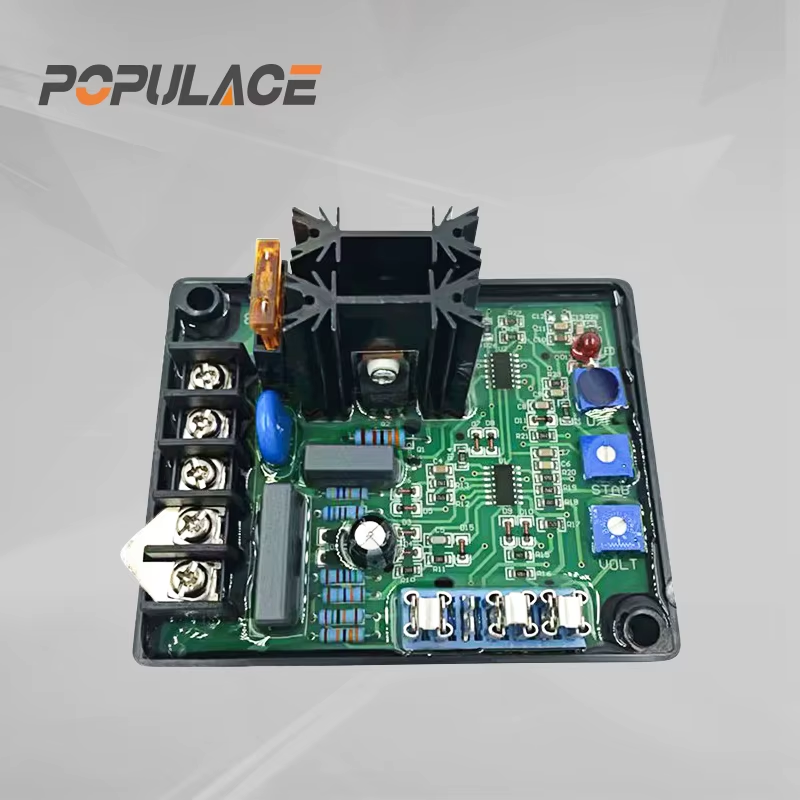
Here is the practical part: remove the load and observe whether the behavior changes, then add only a known, suitable load. Large motor starts, switching power supplies, or a badly unbalanced load can expose a marginal system. If the GAVR has a stability adjustment, photograph or note its original position before making a small adjustment. Make one change at a time and retest. Turning every trim control at once makes the fault harder to trace.
Malfunction 3: voltage is too high
High voltage needs prompt attention because it can damage connected tools and electronics. Shut down, verify meter accuracy if possible, and inspect the GAVR sensing circuit for an open or incorrect connection. On a correctly matched GAVR, a sensing fault can cause the regulator to respond incorrectly. Confirm the selected voltage range and any jumpers or dip-switch settings against the documentation for the specific regulator.
A GAVR-15A regulator should not be installed solely because its current rating sounds suitable. Its excitation characteristics and connection scheme must match the alternator. The same caution applies to a universal AVR GAVR replacement: rating, sensing voltage, frequency, field resistance, and connector layout all matter.
Malfunction 4: voltage is normal without load but collapses under load
Test the load itself before condemning the GAVR. An overloaded generator, a motor with a high starting demand, poor output connections, or an alternator problem can all cause a voltage drop. Check the generator nameplate limits and add load gradually. If voltage collapses only at a realistic load, inspect connections for heating and check the alternator and engine response as well as the GAVR.
Most experienced technicians eventually make the same shift: the question is not “is the GAVR bad?” but “what measurement isolates the GAVR from the rest of the excitation system?” That approach saves replacement time and reduces repeat faults.
A practical GAVR inspection checklist
- Confirm stable engine speed and correct frequency before adjusting the GAVR.
- Inspect the GAVR board for burnt components, moisture, loose plugs, and damaged terminals.
- Match every lead to the generator diagram; do not rely on wire color alone.
- Check sensing input, field output, fuse condition, and regulator settings against the exact model documentation.
- Test with no load and then with a controlled load within the generator rating.
- Verify alternator windings, brushes or slip rings where used, and excitation connections before replacing the GAVR.
When to replace the regulator
Replace a GAVR only after the basic system checks point to it and the replacement is verified for compatibility. Before ordering, photograph the existing GAVR terminals, record every printed number, and note the generator voltage, frequency, alternator type, and field-wire connections. For a GAVR-15A regulator or another generator AVR GAVR circuit, those details are more useful than a photo of the board alone.
For B2B buyers maintaining several generator models, ask a supplier to confirm the technical match before purchase. KYGEN Power supports pre-sales compatibility discussions for generator control components, but the final selection should be based on the generator documentation and the actual electrical configuration.
Final takeaway
A GAVR fault can cause missing, low, high, or unstable generator voltage, yet those symptoms are not conclusive by themselves. Treat the GAVR as part of a chain: engine speed, sensing circuit, field circuit, alternator condition, settings, and load behavior all need a disciplined check. A measured diagnosis is safer than a quick substitution, and it gives a replacement GAVR a stronger chance of working correctly on the first start.






