
 EN
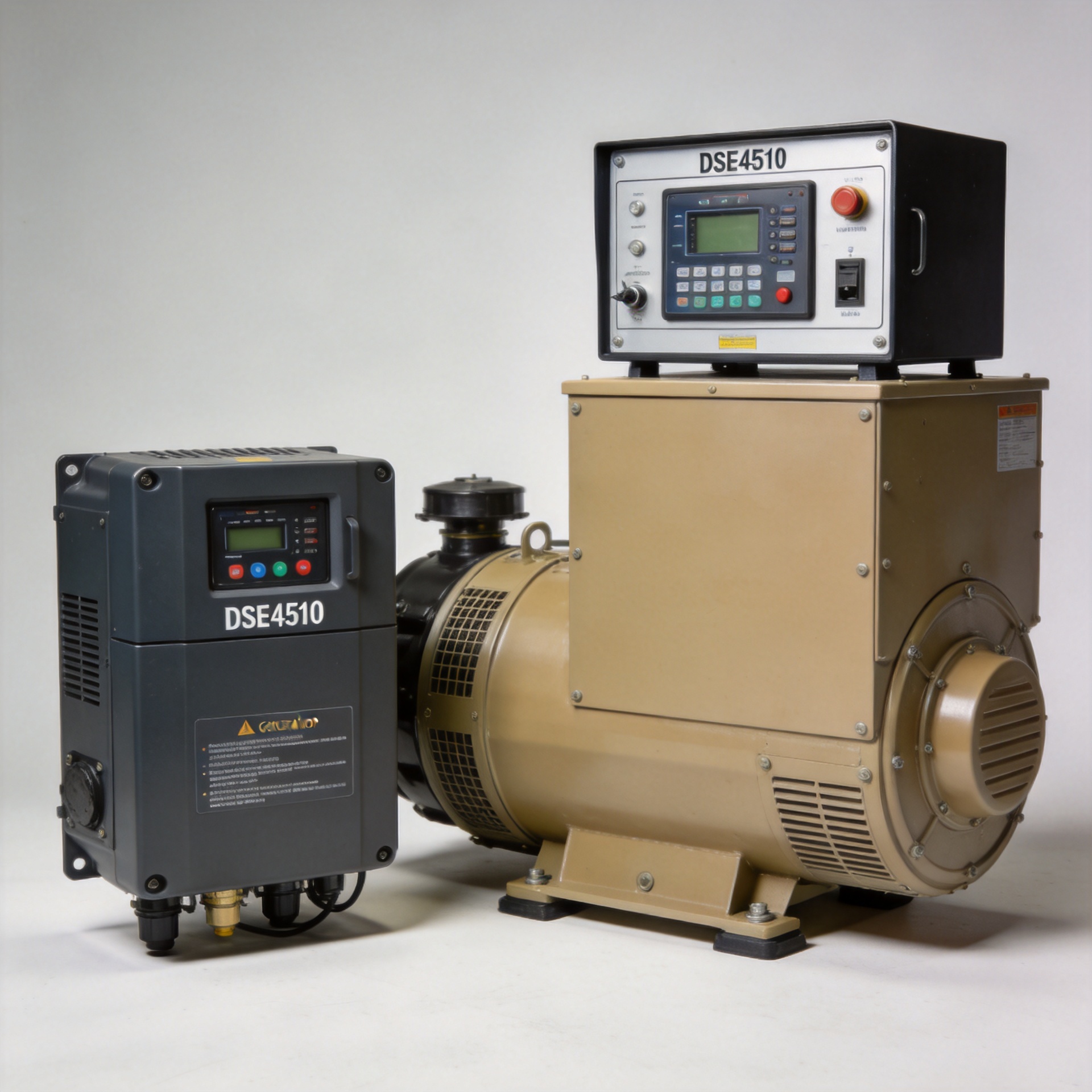
The Key Features and Benefits of the DSE4510 Engine Controller
When specifying a generator control module for a new installation or a replacement project, the DSE4510 comes up as a compact, capable option for both manual-start and auto-start applications. The DSE4510 MKII covers the fundamentals of auto start control with solid engine monitoring, configurable protection thresholds, and a wiring architecture that most panel builders will find straightforward to work with.
This article covers the DSE4510 specifications that matter for real-world installations, how AMF capability is configured, what the wiring layout looks like in practice, how it compares to the DSE4520, and key sourcing considerations including the dse4510 price landscape.
DSE4510 Core Technical Specifications
The DSE4510 MKII operates from a DC supply ranging from 8V to 35V continuous ; this covers both 12V and 24V DC generator panel systems reliably. Cranking dropout tolerance is worth noting: the module continues operating even if supply voltage drops to around 5V during cranking, provided the supply was at least 10V before the dropout event.
For voltage and frequency sensing, the DSE4510 monitors generator output across a wide range:
- AC voltage sensing (phase to neutral): 15V to 415V AC
- AC voltage sensing (phase to phase): 26V to 719V AC
- Frequency range: 3.5 Hz to 75 Hz
- Relay output rating: 5A continuous at supply voltage
This sensing range covers both 120V/240V single-phase and 400V three-phase systems without requiring a separate voltage transformer in most standard installations. The 3.5–75 Hz frequency range accommodates low-speed diesel through high-speed gas generator sets.
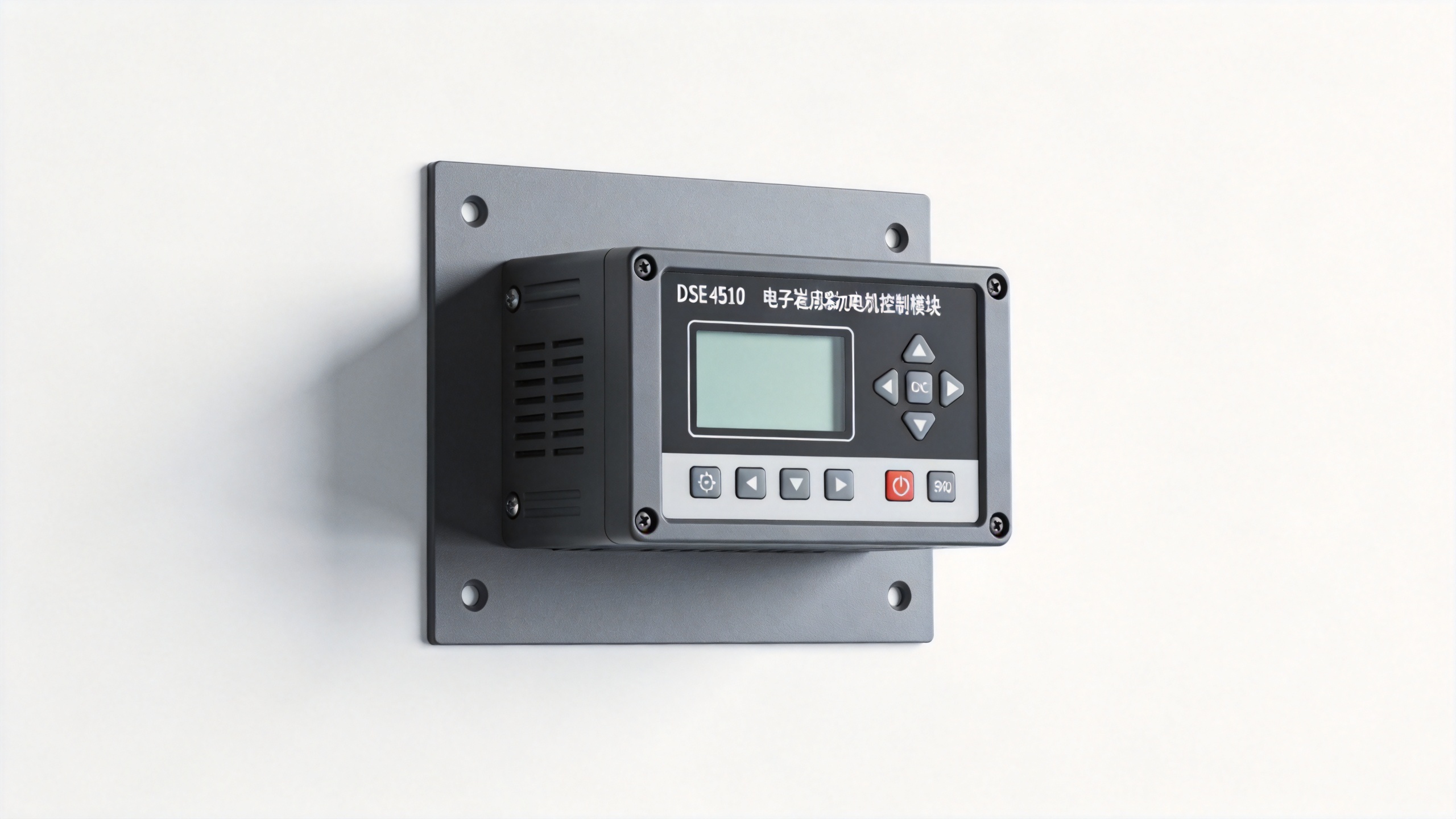
Key Features of the DSE4510
Engine Monitoring and Protection
The DSE4510 monitors the engine continuously and shuts down on fault conditions. Beyond conventional analog inputs for coolant temperature, oil pressure, and fuel level, the module includes a CAN (Controller Area Network) interface for digital communication with engine ECUs supporting J1939 or CANopen protocols. Through this interface, the module reads exhaust temperature, turbo pressure, fuel consumption, DEF level, inlet manifold temperature, and engine maintenance counters — all over a single cable rather than individual sensor runs.
For installations where engine health visibility matters, such as data center backup systems, hospital generators, and rental fleets, CAN integration simplifies both initial wiring and ongoing fault diagnosis.
AMF (Automatic Mains Failure) Capability
The deep sea 4510 AMF configuration is one of the most frequently referenced aspects of the DSE4510 documentation. In Auto mode with mains sensing wired, the module automatically starts the generator when mains voltage or frequency falls outside configured thresholds. When mains restores, the module handles retransfer and cool-down shutdown.
The DSE4510 MKII supports AMF operation through software configuration rather than dedicated hardware. The "Alternative Configuration" option allows setting separate under-voltage, over-voltage, and frequency thresholds for mains sensing — useful for sites with variable grid quality. Without mains sensing wired, the module operates as a standard auto-start controller responding to remote start signals.
Configuration Methods
The DSE4510 can be configured directly via the front panel — pressing Stop/Reset and Auto buttons together enters the configuration editor. For full parameter access, the DSE4510 controller manual references the DSE Configuration Suite PC software, connecting via USB (Type A to Type B, part 016-125), covering alternative configuration thresholds, load shedding settings, and protection adjustments.
DSE4510 Wiring Overview
The DSE 4510 wiring diagram in the operator manual covers a 3-phase 4-wire typical installation. The module uses four terminal connector blocks:
- Terminals 1–9: 9-way 5.08mm (part 007-166) — DC supply, digital inputs, auxiliary outputs
- Terminals 10–20: 11-way 5.08mm (part 007-451) — engine control outputs, fuel/crank relays
- Terminals 21–24: 4-way 10.16mm (part 007-003) — current transformer (CT) inputs
- Terminals 29–32: 4-way 5.08mm (part 007-282) — generator/mains voltage sensing
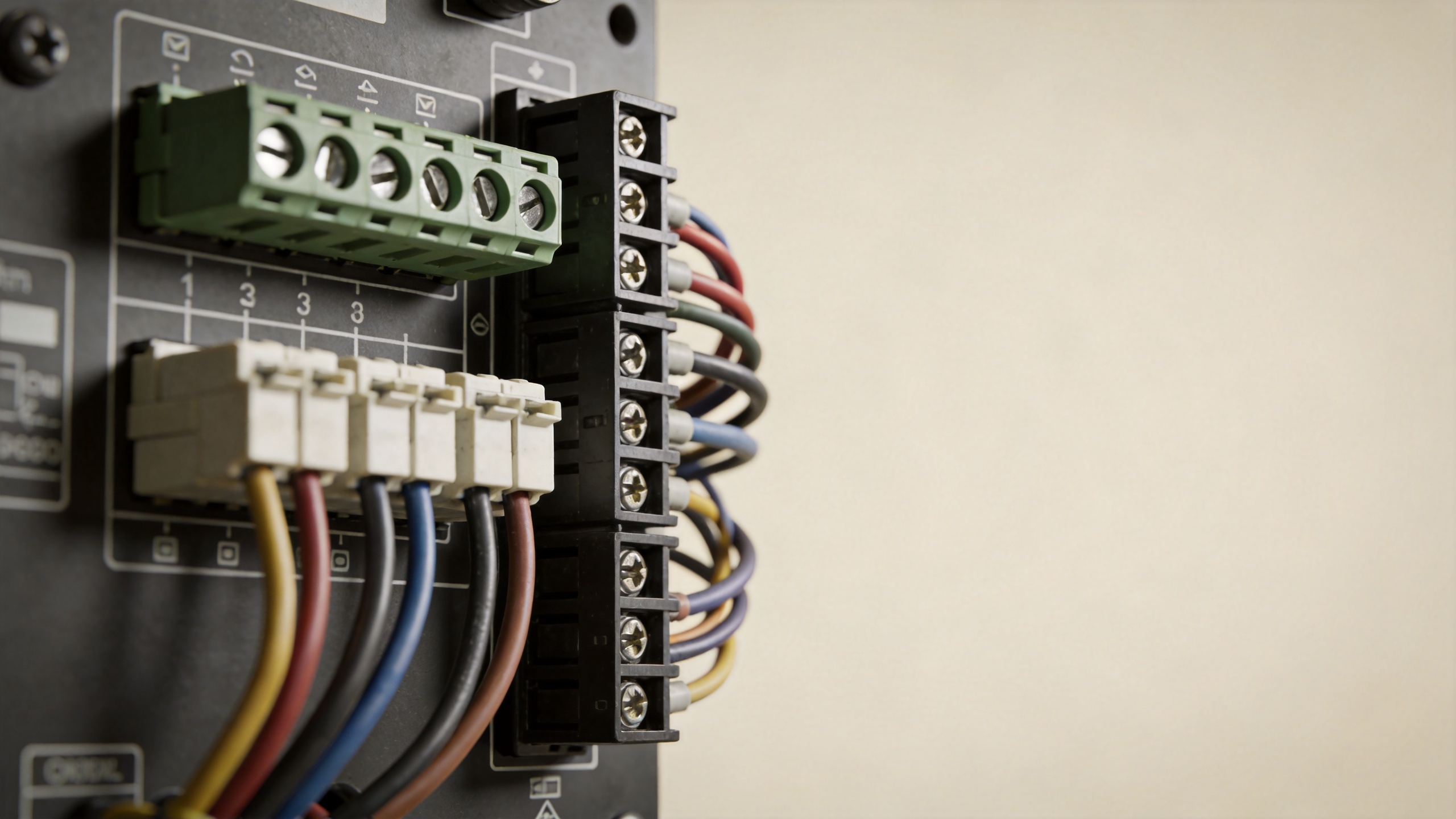
If the Emergency Stop feature is not required, that input must be linked to DC Negative or disabled in software — otherwise the module remains in an alarm state. The plug pack for the DSE4510 MKII (part 007-878) ships separately and connects the modular terminal blocks to the module housing.
DSE4510 vs DSE4520: Key Differences
The DSE4520 MKII is purpose-built as an Auto Mains (Utility) Failure Control Module with dedicated mains sensing hardware. The DSE4510 MKII is an Auto Start Control Module configurable for AMF when wired and set up accordingly. Both share the same operator manual and configuration software.
| Feature | DSE4510 MKII | DSE4520 MKII |
|---|---|---|
| Primary function | Auto Start Control Module | Auto Mains Failure Control Module |
| AMF mode | Configurable | Dedicated, hardware standard |
| Typical use case | Manual/auto start, remote start, configurable AMF | Automatic mains failure detection as default |
| Configuration flexibility | Higher — broader mode options | Lower — optimised for AMF |
For simple AMF-only installations with stable mains supply, the DSE4520 MKII reduces commissioning complexity. Where remote start capability or multiple trigger sources are needed alongside AMF, the DSE4510 MKII offers more flexibility.
Application Scenarios
The DSE4510 fits well across several generator control contexts:
- Standby generator panels with remote start — where an external signal (BMS, remote switch) triggers generator start independently of mains monitoring
- AMF installations in regions with variable grid quality — the Alternative Configuration mode supports site-specific voltage and frequency thresholds
- Tier 4/Stage V engines with CAN ECUs — CAN integration reduces sensor wiring and expands diagnostic data
- Replacement projects — the DSE4510 MKII (part DSE4510-35) is a widely available aftermarket replacement for older DSE4510 and compatible third-party modules
Sourcing and Pricing Considerations
The dse4510 price varies across authorized distributors, regional resellers, and aftermarket suppliers. Aftermarket-compatible versions under part DSE4510-35 are available from multiple sources for replacement applications. When ordering, verifying the hardware revision matters: the MKII includes CAN interface improvements and expanded protection thresholds compared to the original DSE4510, and substituting one for the other in an existing panel may require software reconfiguration.
For wholesale buyers sourcing generator control components in volume, suppliers offering technical pre-sales verification can confirm part compatibility before order confirmation — reducing return costs and project delays from hardware mismatches on site.






