
 EN
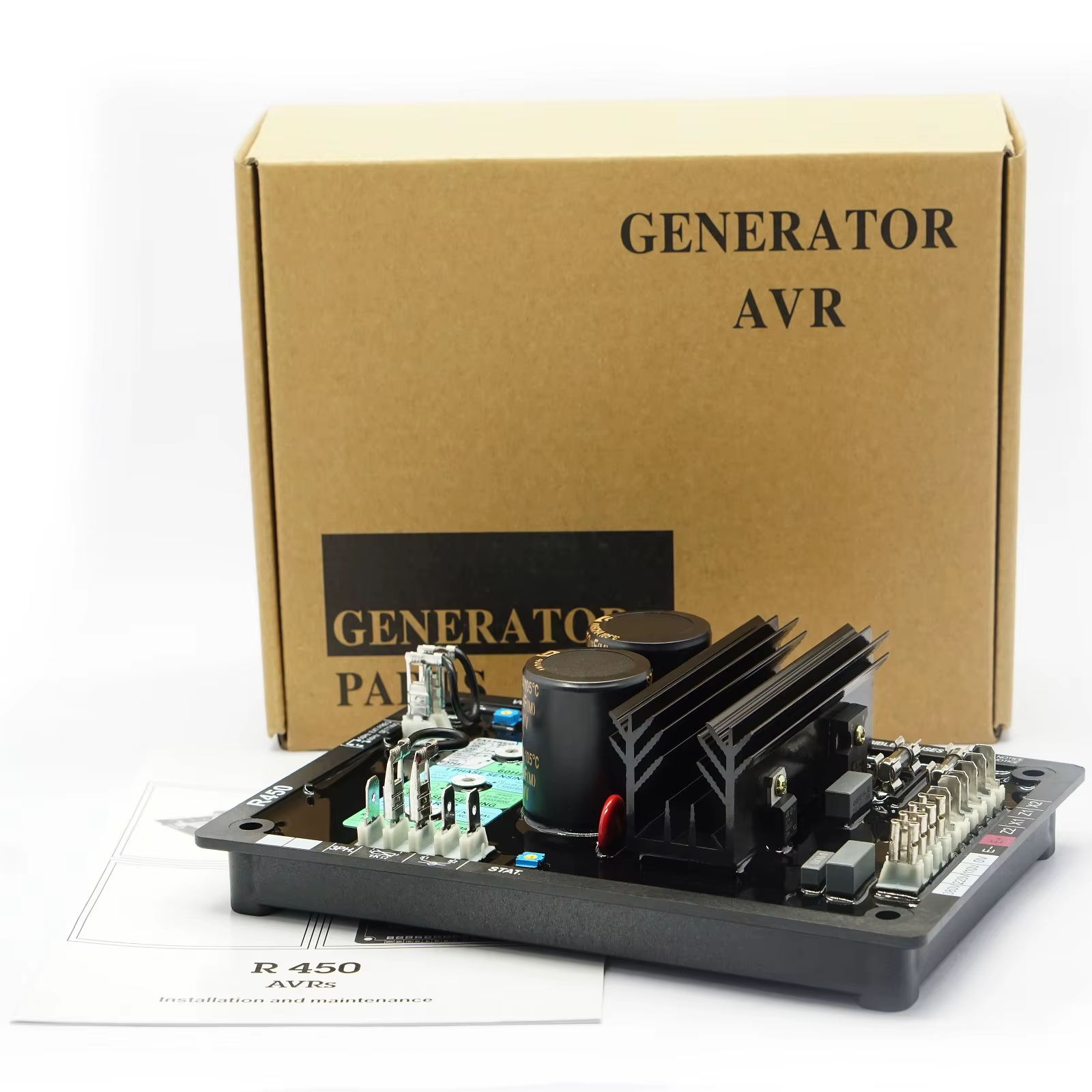
Sourcing Single Phase Bridge Rectifiers for Generator Spare Parts Business
For a generator spare-parts business, buying a single phase bridge rectifier is less about finding the lowest unit price and more about preventing an avoidable compatibility claim. A bridge that looks similar on a distributor page can differ in voltage rating, current capacity, terminal layout, thermal path, mounting pattern, and diode behavior. Those differences matter when the part is tied to a generator AVR, excitation circuit, charger, or auxiliary power board.
This guide is written from a practical B2B purchasing perspective. It focuses on the documents, checks, and receiving controls that help wholesalers and brand owners source repeatable replacement stock without making unsupported assumptions about a generator model.
Start with the circuit role, not the package
A single phase bridge rectifier uses four diodes to steer both halves of an AC waveform into one DC output polarity. That basic function is useful context, but it does not identify a correct replacement. In a generator application, first establish whether the failed part is on the AVR input, an auxiliary supply, a battery-charging branch, or a rotating-rectifier-related assembly. A generator AVR rectifier may be selected around field-current conditions and control-board design; a bridge elsewhere in the generator can have a very different duty cycle.
Ask the customer or service team for a clear photo of both sides of the removed part, the generator and AVR model, wiring positions, and any board markings. If the original part number is readable, preserve it exactly. A part number, schematic reference, and measured mounting dimensions are more useful than a generic description such as “10A bridge.”
Build a sourcing specification that can be checked
A reliable purchase request turns the phrase single phase rectifier bridge into measurable fields. Use a simple approval sheet before requesting quotations:
- Electrical ratings: repetitive peak reverse voltage, average forward current, surge-current requirement, and expected AC input range.
- Thermal conditions: ambient temperature, enclosure ventilation, heat-sink contact, mounting orientation, and whether a thermal compound or insulating hardware is used.
- Mechanical fit: package family, terminal identification, terminal pitch, hole spacing, body height, and clearance from nearby components.
- Application evidence: original part number, board reference, generator/AVR model, failure symptoms, and a controlled substitution approval record.
- Commercial controls: lot code, packing method, sample quantity, inspection criteria, replacement policy, and lead-time commitment.
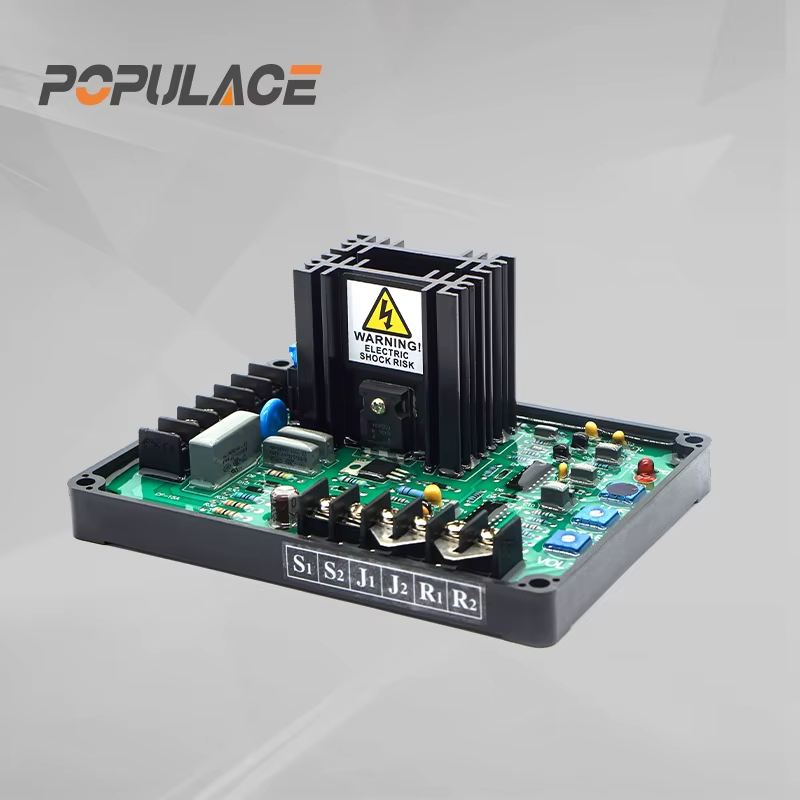 Do not accept a quotation that replaces missing data with “universal.” A 1 phase bridge rectifier may share a current rating with the original while having an unsuitable reverse-voltage margin or a different terminal arrangement.
Check voltage, current, and surge margin together
Voltage rating should be reviewed against the actual circuit, including supply variation and transient exposure, rather than against a nominal label alone. Current selection also needs context. Rectifier heating depends on conduction loss, waveform, enclosure temperature, and heat removal. In a diode bridge, two diodes conduct in each current path, so forward-voltage behavior affects heat as well as output headroom.
Surge-current capability deserves a separate line on the specification sheet. Start-up charging, abnormal loading, or a downstream fault can create a brief stress that average-current figures do not describe. The aim is not to select the largest number available; it is to document why the proposed single phase bridge rectifier has appropriate electrical and thermal margin for the confirmed circuit.
Where a supplier refers to IEC 60146-1-1:2024 or another converter-related standard, request the exact scope of that reference and the supporting document. A standard citation is not proof that a particular bridge has been qualified for your generator application.
Verify polarity and terminal layout before bulk ordering
Terminal labels commonly identify AC inputs and positive/negative DC outputs, but label positions vary by package. Before a first production order, compare the supplier drawing with the removed component and the board. Confirm which terminals connect to the AC source, which go to the DC rails, and whether the mounting hardware creates an electrical connection or only a thermal/mechanical one.
A single phase diode bridge is a simple component electrically, yet a rotated or misread terminal layout can damage an AVR board immediately. Include a marked-up terminal diagram in the sample-approval file. For service kits, keep the diagram with the stock code so warehouse staff are not forced to infer orientation from memory.
Use samples to test the right risks
Sample testing should reflect the claims you need to make to your downstream buyer. Begin with visual inspection: package marking, terminal straightness, cracks, resin quality, and label-to-lot consistency. Then verify dimensional fit against the approved drawing. A basic multimeter diode test can be a useful incoming screen: published generator troubleshooting guidance often describes a healthy diode as showing a forward drop in the approximate 0.4–0.7 V range and open behavior in reverse. Treat that only as a screening indication; instrument method, diode construction, and temperature affect the reading.
For critical generator AVR rectifier applications, add a controlled functional test on the confirmed circuit or a representative fixture. Record input condition, load, temperature observation, output behavior, and sample lot. Do not convert a sample observation into a blanket claim for every generator platform.
Control continuity after the first approved batch
The sourcing work is not complete when the sample passes. Ask the supplier to notify you before changing die source, package material, terminal plating, production location, or marking convention. Keep an approved reference sample and photos. On each receiving lot, verify label data, quantity, package condition, and a defined sample count against the approved specification.
For wholesalers, a two-level stock strategy can reduce confusion: retain the original-reference stock code where the application is confirmed, and list any approved alternative under a separate code with its compatibility notes. This is safer than merging every visually similar single phase rectifier bridge into one listing.
Questions to send with every RFQ
- Which exact package, terminal diagram, and dimensional drawing applies to this quotation?
- What are the rated reverse voltage, average forward current, surge-current figure, and test conditions?
- What lot identification and traceability can be supplied on carton and inner packaging?
- Can the supplier provide samples from the intended production route rather than an unverified substitute?
- What notification process applies if material, marking, or manufacturing changes?
- Can the supplier confirm that it understands this is a replacement evaluation, not a claim of universal generator compatibility?
Make the buying decision auditable
A sound single phase bridge rectifier sourcing decision is one a technician, buyer, and customer can review months later. Save the original-part evidence, drawing comparison, sample-test record, approved lot information, and application limitation together. That file reduces repeat investigation when a customer reorders or when an AVR revision appears in the market.
Fujian Kaiyue Electronics serves wholesale and brand buyers in generator control components and replacement parts. For a new sourcing inquiry, bring the original markings, generator model, AVR reference, photos, and target order quantity. A complete input package makes it possible to discuss a proposed part responsibly, without guessing at compatibility.






