
 EN
Sourcing GAVR 20A High-Capacity AVRs for Power Station Maintenance
When you manage parts procurement for power stations or large generator fleets, you quickly learn that not all automatic voltage regulators are equal — and that sourcing the wrong unit creates problems that take far longer to fix than the original failure did. The GAVR 20A is a commonly specified part in maintenance programs for brushless generator systems, and getting a reliable supply of genuine, correctly specified units is a procurement problem worth addressing systematically.
This guide covers what to look for when sourcing the gavr 20a for power station maintenance, how to evaluate suppliers, and what technical checkpoints matter before you commit to a batch order.
Understanding the GAVR-20A Specification
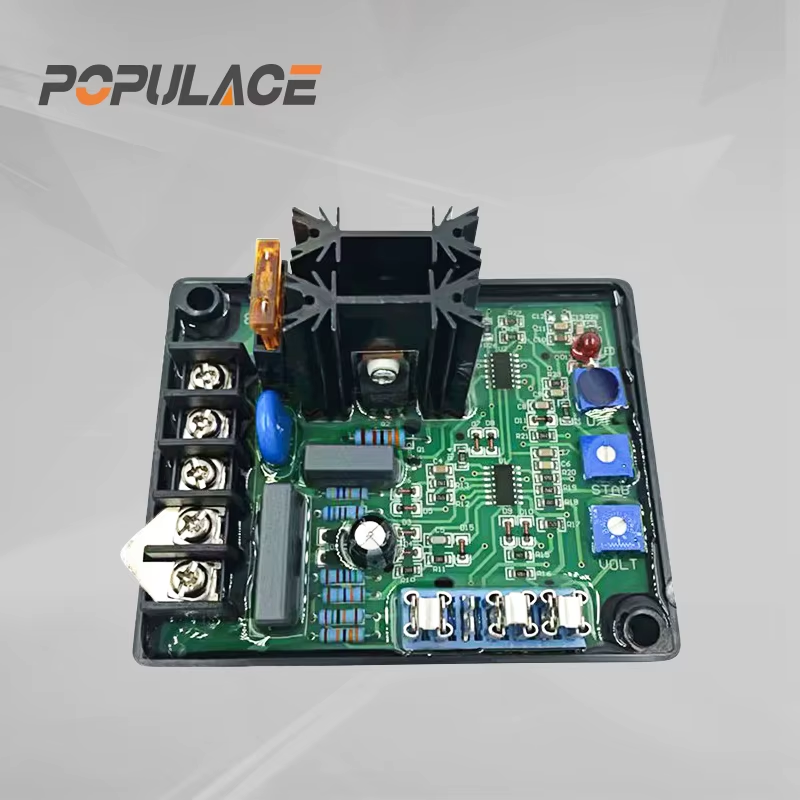
The GAVR-20A is a universal 20-amp, half-wave, self-excited, dip-switch programmable automatic voltage regulator designed for brushless generators. Its core function is to regulate output voltage with a regulation rate under 0.5%, which is the threshold most industrial and standby power applications require to protect sensitive downstream equipment.
The key technical parameters that define this part:
- Sensing input voltage: 220/400VAC, 3-phase, 3-wire
- Power input voltage: 180–240VAC, 1-phase, 2-wire
- Maximum output: Up to 90–95VDC at 240VAC input
- Continuous current rating: 10–15A depending on variant
- Voltage regulation rate: <0.5%
- Compatibility: Single-phase and three-phase brushless generator systems
The dip-switch programmability is what makes this a high-capacity avr suitable for a range of generator configurations without requiring model-specific sourcing. In power station environments where multiple generator models are in service, that flexibility reduces inventory complexity.
Why GAVR 20A AVRs Matter in Power Station Maintenance
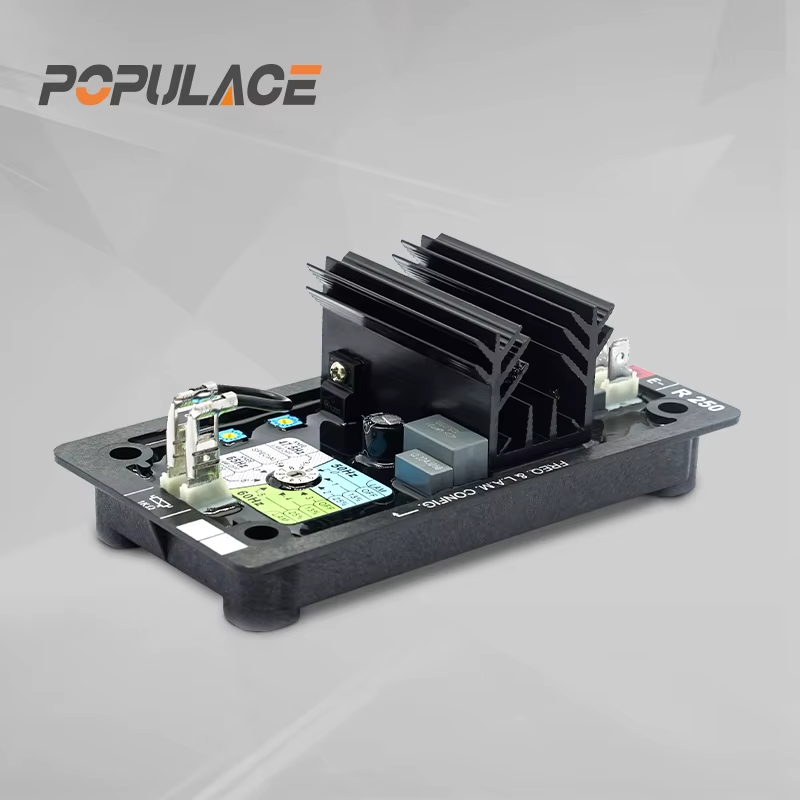
Power stations that rely on diesel or gas generator sets as primary or backup power sources carry a specific operational risk: AVR failure causes voltage instability that can damage both the generator itself and connected critical infrastructure. In maintenance scheduling terms, a failed AVR is not a deferred repair — it is an immediate response event.
Most procurement teams that manage generator maintenance parts discover over time that the question is not whether to stock the high capacity avr variants, but how many to keep on hand and from which supply source. A unit price focus tends to give way to a lead-time and reliability focus once a team has experienced one delayed shipment during a critical outage window.
The GAVR 20A specifically targets higher-load generator configurations where standard 8A or 10A AVRs would be undersized. Power station environments — particularly those running parallel generator sets or supplying mixed industrial and commercial loads — benefit from this headroom.
Key Criteria for Sourcing GAVR 20A Units
Specification Verification Before Ordering
Ordering based on model number alone is a sourcing pattern that leads to problems in this category. The gavr-20a avr designation covers a product used in many original equipment configurations, and variations exist in terminal layout, heat dissipation design, and sensing voltage range. Before confirming a batch order, request the supplier's wiring diagram and compare it against your existing installation documentation.
Suppliers who can provide complete documentation — including datasheet, wiring schematic, and installation guide — typically indicate a higher level of product traceability. That documentation package is a practical proxy for quality control. Buyers who have processed returns on undocumented units tend to make documentation availability a hard requirement in subsequent RFQs.
Supplier Reliability and Traceability
For maintenance programs, the supply chain for critical generator parts requires a different evaluation than consumables. The key questions for a 20 amp generator voltage regulator supplier include:
- Does the supplier carry the part consistently, or is it subject to availability gaps?
- Can the supplier confirm the manufacturing origin and provide batch traceability?
- Is the supplier a factory-direct source or a trading intermediary? Factory-direct sources typically offer both better pricing at volume and faster resolution if a quality issue arises.
- What is the warranty or replacement policy for failed units?
Specialized generator parts suppliers — those focused on governors, AVRs, and control components rather than broad industrial equipment — generally offer better technical support and more accurate compatibility guidance than general electrical wholesale sources.
Volume, Lead Time, and Safety Stock Planning
Power station maintenance teams benefit from establishing a standing supply arrangement rather than reactive spot purchasing. For the GAVR 20A, the relevant planning factors are:
- Average replacement frequency across the generator fleet (typically driven by operating hours and load cycle severity)
- Supplier lead time from order to delivery, factoring in any cross-border logistics if sourcing internationally
- Minimum order quantity thresholds that affect per-unit cost at typical reorder volumes
Most experienced maintenance procurement teams carry 2–4 weeks of safety stock for high-criticality parts like AVRs. The cost of carrying that inventory is substantially lower than the cost of an unplanned outage while waiting on an expedited shipment.
GAVR 20A Wiring and Installation Compatibility
The gavr 20a wiring configuration is a step in the compatibility verification process that should happen before the part goes into inventory, not at the point of installation. The dip-switch programmable interface allows adjustment of sensing voltage range (220V or 400V three-phase), which means the same unit can serve different generator configurations — but only if the installer has the documentation to configure it correctly.
Before adding GAVR 20A units to maintenance stock, confirm:
- The terminal labeling on the replacement unit matches your existing generator's AVR terminal layout (F1/F2, VAR, E1/E2 are standard, but physical orientation can vary)
- The dip-switch positions required for your voltage configuration are documented in the supplier's wiring guide
- Any sensing input voltage differences between the unit you are replacing and the sourced replacement
A replacement unit with mismatched terminal orientation installed without the wiring diagram will not necessarily fail immediately — it may run at degraded regulation performance for a period before presenting as a fault, which makes root cause diagnosis slower.
Building a Reliable Supply Chain for High-Capacity AVRs
For power station maintenance teams, a two-source supply chain tends to work well over time: a primary supplier with established terms and stock commitment, and a secondary source for emergency supply. For the GAVR 20A, this typically means establishing a relationship with a specialist generator parts supplier who carries verified stock and can provide technical support, alongside a domestic or regional backup source for urgent requirements.
For international procurement, suppliers with verified B2B trade channel presence — such as established listings on industrial procurement platforms with documented product specifications and buyer feedback history — provide a lower-risk entry point than new or unverified sources. Volume purchase agreements with documented quality standards and return policies are worth structuring for parts that serve critical infrastructure roles.
The GAVR 20A's combination of high current capacity, programmable sensing range, and wide generator compatibility makes it a practical stocking part for generator maintenance programs. Sourcing it correctly — with verified specifications, documented wiring information, and a reliable supply relationship — is the foundation of keeping it useful when it is actually needed.






