
 EN
Sourcing DSE704 Modules for Multi-Genset Synchronization Projects.
From a procurement standpoint, sourcing dse704 modules at scale means balancing unit price, lead time, and supplier reliability — not just the lowest quoted price. For project engineers and procurement managers working on multi-genset installations, the DSE704 controller plays a specific and well-defined role: it handles Auto Mains Failure (AMF) and autostart control on each individual generator set, interfacing with the broader synchronization and load-sharing architecture. Getting the procurement strategy right for this module affects project commissioning timelines and long-term site reliability.
Understanding the DSE704's Role in Multi-Genset Projects
Before specifying quantities and sourcing channels, it helps to be clear about what the dse704 controller does — and what it does not do. The DSE704 is an Auto Mains (Utility) Failure Control Module produced by Deep Sea Electronics. It monitors engine temperature, low oil pressure, and fail-to-start conditions on a single generator set, and initiates automatic start sequences when mains supply is lost.
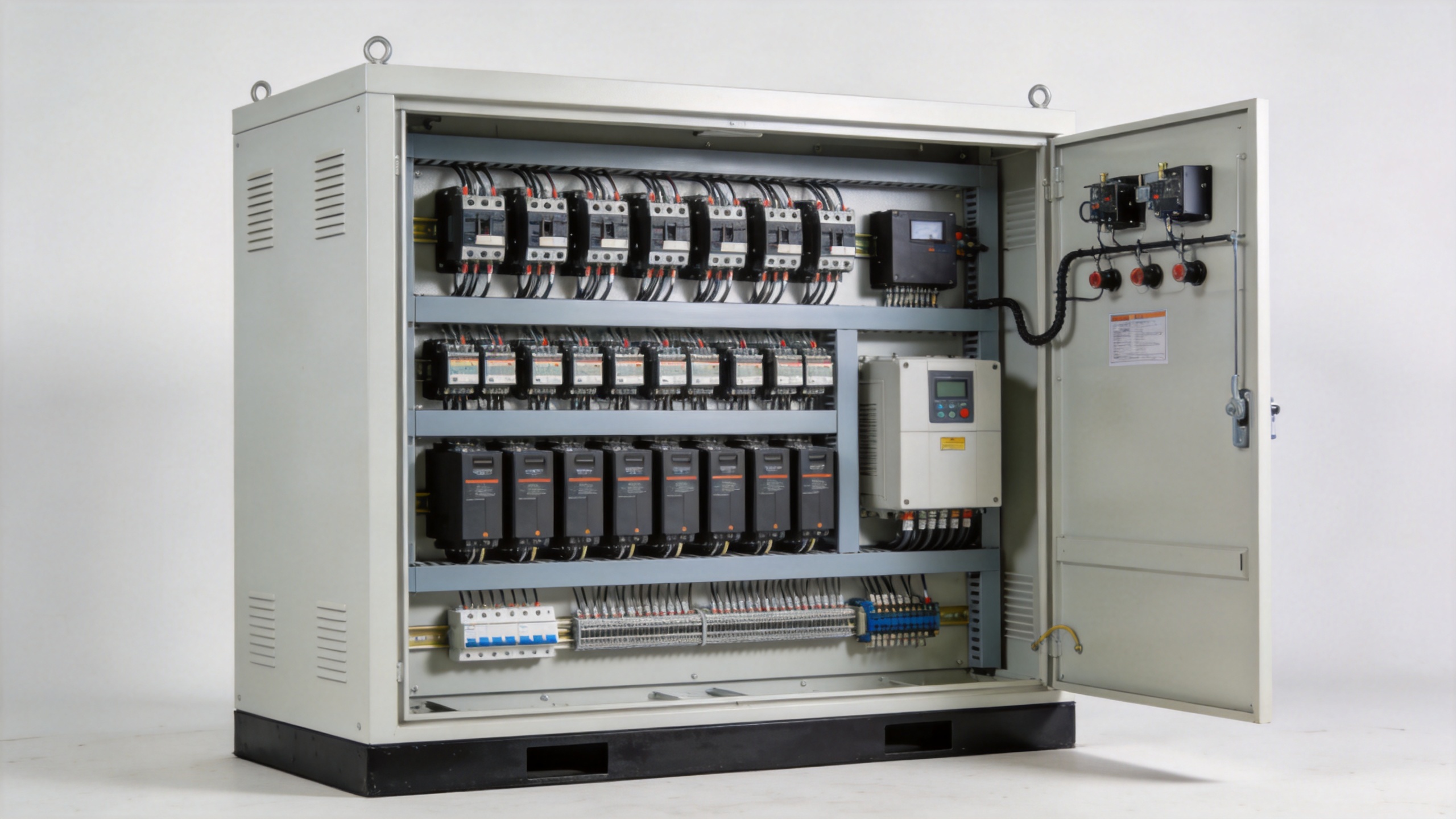
In a multi-genset synchronization project, each generator set typically requires its own DSE704 (or compatible equivalent) for individual engine control and protection. Actual paralleling and synchronization between gensets is handled by dedicated load-sharing modules — the DSE704 feeds into that system as the per-unit AMF controller. If your project involves five generators running in parallel, you are likely sourcing five DSE704 units, each integrated with a higher-level synchronization controller.
That distinction matters at the procurement stage because it defines exactly how many units you need, what interface specifications must match, and which replacement or compatible options are technically acceptable.
Key Procurement Criteria for the DSE704
Are you sourcing DSE704 modules as original equipment for new installations, or as replacement inventory for systems already in the field? That distinction changes which specification deserves the most attention during evaluation.
1. Electrical Interface Compatibility
The deep sea 704 module operates on a DC supply range of 8V to 35V continuous, with a cranking draw of 170mA at 12V and 280mA at 24V. Mains sensing covers 75V(L-N) to 333V AC (L-N). Before confirming a bulk order (especially for compatible replacement modules), verify that the connector pinout, sensing input range, and output interface match your panel wiring exactly. Early in the sourcing process, most buyers focus on voltage ratings; after a failed installation, the focus shifts to interface dimensions and connector types.
2. Operating Environment Specifications
The DSE704 is rated for an operating temperature range of -30°C to +70°C, with compliance to BS EN standards. For outdoor or industrial site deployments, confirm that both OEM and compatible modules carry the relevant environmental certifications for your installation geography. A supplier who cannot provide documentation confirming the applicable standards is worth noting before you confirm the order.
3. Software and Configuration Access
DSE704 software compatibility is relevant when you need to configure the module before commissioning or when field updates are required. The original Deep Sea Electronics product uses DSE proprietary configuration tools. If sourcing compatible modules from third-party manufacturers, confirm whether those modules are configurable using standard dse704 software or require a different tool. Incompatible software can add commissioning time and create dependencies that affect ongoing maintenance.
4. Documentation and Manual Availability
For multi-unit deployments, consistent documentation is a practical necessity. Confirm that every unit in your order comes with a dse704 manual or equivalent wiring diagram and installation guide. Suppliers who cannot provide documentation as part of the standard product package introduce risk during installation and troubleshooting. One of the most common ordering mistakes in this category is not requesting documentation confirmation before shipping, which leads to receiving physically compatible parts with no usable installation reference.
Sourcing Channels: OEM vs. Compatible Modules
For multi-genset projects requiring multiple units, procurement teams typically evaluate two channels: original Deep Sea Electronics supply and compatible replacement modules from specialist manufacturers.
Original DSE704 units offer the advantage of confirmed software compatibility and full manufacturer support. The trade-off is typically higher unit cost and, in some markets, longer lead times for bulk orders. For projects with strict OEM specifications or service contract requirements, this is often the correct choice regardless of cost.
Compatible replacement modules, produced by manufacturers who specialize in generator control components, can offer lower unit prices and more predictable availability for bulk quantities. The risk most buyers underestimate when sourcing compatible modules internationally is specification drift: a module that matches the electrical interface but differs in protection threshold behavior or response timing can cause commissioning issues that are difficult to diagnose.
Before confirming a compatible module order, the verification steps worth completing are: comparing protection threshold specifications against the original DSE704 datasheet, requesting a sample unit for bench testing with your panel configuration, and confirming that the supplier provides batch-level quality documentation.
Supplier Qualification for Bulk Orders
A reliable DSE704 supplier should be able to demonstrate several credibility signals before the first order: production or sourcing documentation for the specific module batch, compatibility confirmation against the DSE704 reference specification, and a clear process for handling returns or specification disputes. For project-scale orders, ask whether the supplier can commit to lead times in writing and whether they hold sufficient inventory for the full project quantity before you confirm the order.
The specificity anchor here: a supplier holding 100+ units of a specific DSE704-compatible module in stock is a meaningfully different risk profile from one fulfilling orders on a per-inquiry basis. For synchronization projects with fixed commissioning schedules, that inventory position matters more than unit price variation within a typical range.
Most buyers who work with generator control modules long enough develop a preference for confirming the full batch quantity before committing to a project timeline — not because it is required in every case, but because partial shipments on multi-genset projects create commissioning sequencing problems that are expensive to resolve on-site.
Practical Checklist for DSE704 Procurement
- Confirm unit count per your multi-genset panel design (one DSE704 per genset for AMF control)
- Verify DC supply voltage compatibility (8V–35V) and connector interface against your panel schematic
- Confirm mains sensing range (75V–333V AC L-N) matches your site voltage
- For compatible modules: request specification comparison against the original DSE704 datasheet
- Confirm dse704 software compatibility or acceptable alternative for field configuration
- Request dse704 manual or equivalent documentation as part of the order package
- Confirm full batch availability and lead time in writing before project schedule commitment
- Request batch quality documentation and supplier return policy for specification disputes
Final Evaluation Note
The DSE704 dse704 controller is a mature, well-documented product with a clear specification profile. Whether you source original equipment or a compatible replacement, the procurement risk in multi-unit synchronization projects concentrates around interface verification, documentation completeness, and batch availability — not the baseline electrical function. Applying a consistent checklist across supplier options reduces that risk without adding significant evaluation overhead to the procurement process.






