
 EN
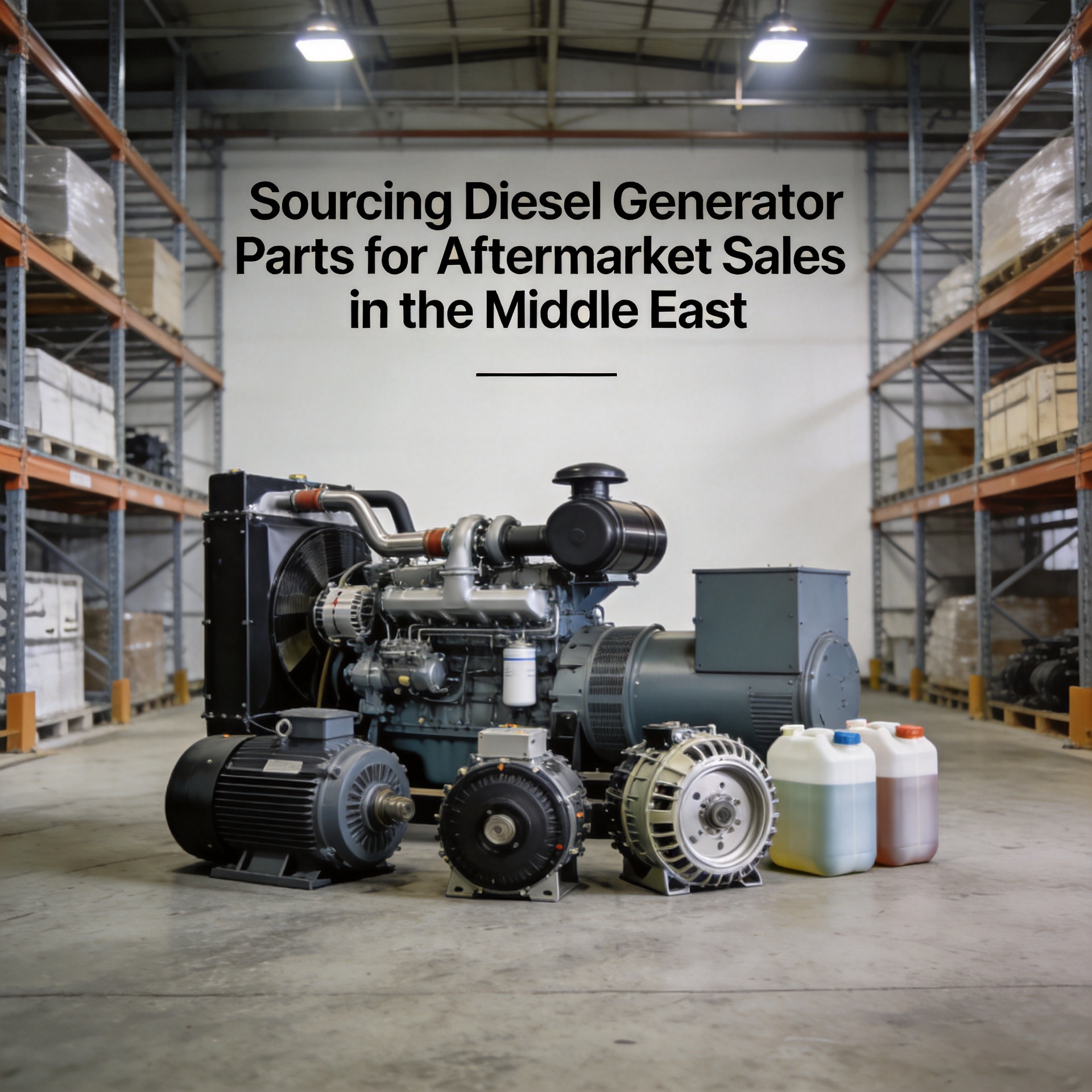
Sourcing Diesel Generator Parts for Aftermarket Sales in the Middle East
If you have been in generator parts distribution long enough, you start seeing the Middle East differently. It is not just a large market. It is a concentrated, infrastructure-driven one where generator downtime carries real cost and where aftermarket buyers are more sophisticated than most Western suppliers expect. The GCC diesel generator market was estimated at around USD 728 million in 2025 and is projected to approach USD 920 million by 2030, growing at roughly 5.8% annually. That trajectory is not driven by new installations alone. A significant share comes from the maintenance and replacement cycle of the installed base, which is where aftermarket diesel generator parts represent a genuine business opportunity.
This article walks through how distributors and resellers in the Middle East region can approach sourcing diesel generator parts more systematically: from identifying which categories generate consistent demand in aftermarket channels, to qualifying overseas suppliers, to managing the documentation requirements that make or break a cross-border parts order.
Which Categories of DG Parts Drive Aftermarket Volume
Not all generator engine parts carry equal demand in the aftermarket channel. In the Middle East, where generators support construction sites, oil and gas facilities, data centers, telecom towers, and commercial buildings, the parts that see the highest recurring demand tend to fall into two clusters.
The first cluster is consumable and wear-based components: fuel filters, oil filters, air filters, gaskets, belts, and cooling system parts. These are predictable repeat purchases that experienced distributors stock proactively. The second cluster is control and regulation parts: speed governors, automatic voltage regulators (AVRs), generator controllers, and related actuators. These move at lower volume but at significantly higher margin, and they require a level of technical specification knowledge that gives better-informed distributors a competitive edge over generalist parts sellers.
Alternator spare parts (brushes, diodes, rectifier assemblies, and bearing kits) represent a third category worth noting. They are often sourced through the same supply chains as control components and are frequently overlooked by smaller distributors who focus only on mechanical consumables. Stocking alternator spare parts alongside governor and AVR inventory lets you serve a broader range of maintenance scenarios without multiplying your supplier relationships.
Understanding the Compatibility Challenge Before You Buy
The assumption that shifts most experienced distributor buyers is this: the generator brand printed on the nameplate is a starting point, not a complete sourcing specification. When sourcing diesel genset spares for a diverse aftermarket customer base, the engine model, serial range, and output configuration all matter, and they frequently differ even within the same generator brand family.
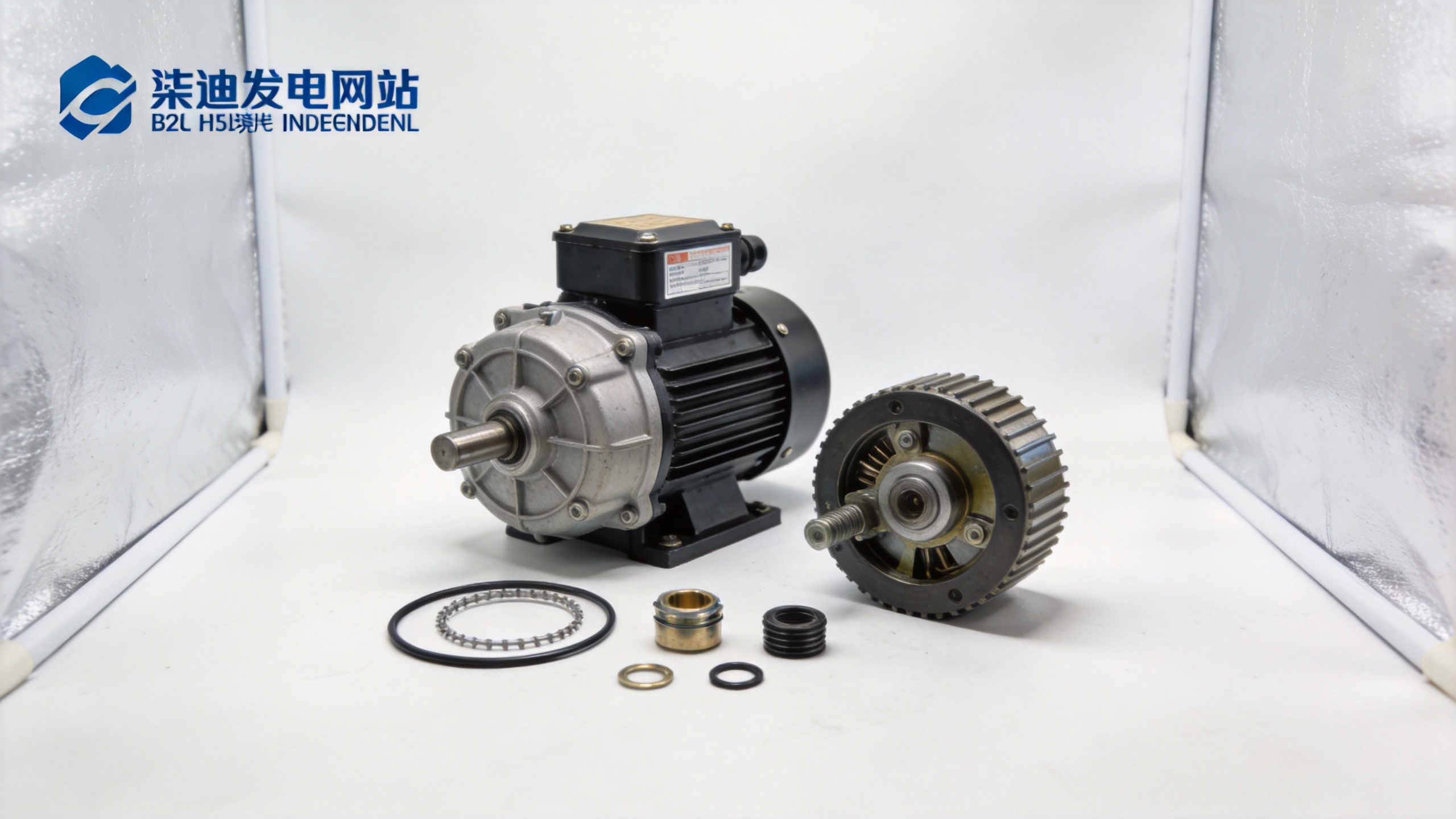
An AVR that works perfectly on one Stamford alternator variant will not necessarily perform the same on an older winding configuration. A speed governor compatible with a Cummins 6BT will not cross-fit directly into a 6CTA without parameter adjustment. The buyers who run into compatibility problems most often are those who order based on general brand compatibility claims rather than confirmed model-level specification matching.
Offering your customers a pre-sale compatibility check (confirming governor or AVR fit against the engine model before they commit to an order) is something most local parts resellers cannot easily replicate. It also reduces returns and installation failures, which protects both margin and reputation.
Qualifying an Overseas Supplier for Aftermarket Programs
The generator parts supply chain for Middle East distributors typically runs through Chinese manufacturers, who have become the primary source for aftermarket governors, AVRs, and control components. Evaluating these suppliers requires more than a catalog review.
Four practical questions separate a qualified supplier from a catalog-only operation. First: can they provide model-specific compatibility documentation (wiring diagrams, installation guides, and compatibility charts) at the inquiry stage, not after you place an order? Suppliers who cannot provide technical documentation before purchase are a predictable source of post-shipment problems. Second: do they offer batch-level quality consistency, or do they selectively quality-check the sample batch while running looser tolerances on production orders? Requesting production batch test reports alongside the sample is a practical way to apply pressure here.
Third: what is their realistic stock and lead time position? Many suppliers list large ranges of diesel generator parts in catalogs that are partially or entirely made-to-order. For distributors serving customers with urgent downtime situations, a supplier who cannot confirm actual in-stock availability for core SKUs is not a reliable primary source. Fourth: how do they handle export documentation? The pitfall that delays more parts shipments in the Middle East than any technical issue is incomplete customs documentation: missing circuit compliance declarations, incorrect HS codes, or absent country-of-origin certificates. Before confirming a new supplier relationship, walk through their standard export documentation package explicitly.
Balancing Inventory Depth Against Working Capital
One of the real trade-offs that takes time to calibrate in aftermarket generator engine parts distribution is how deeply to stock. Holding significant inventory of high-demand items (filters, belts, common AVR models) reduces your exposure to supplier lead time variability and lets you fulfill urgent orders. But it ties up working capital in SKUs that may sit for months if the installed base in your territory shifts or a new generator model family arrives with different part requirements.
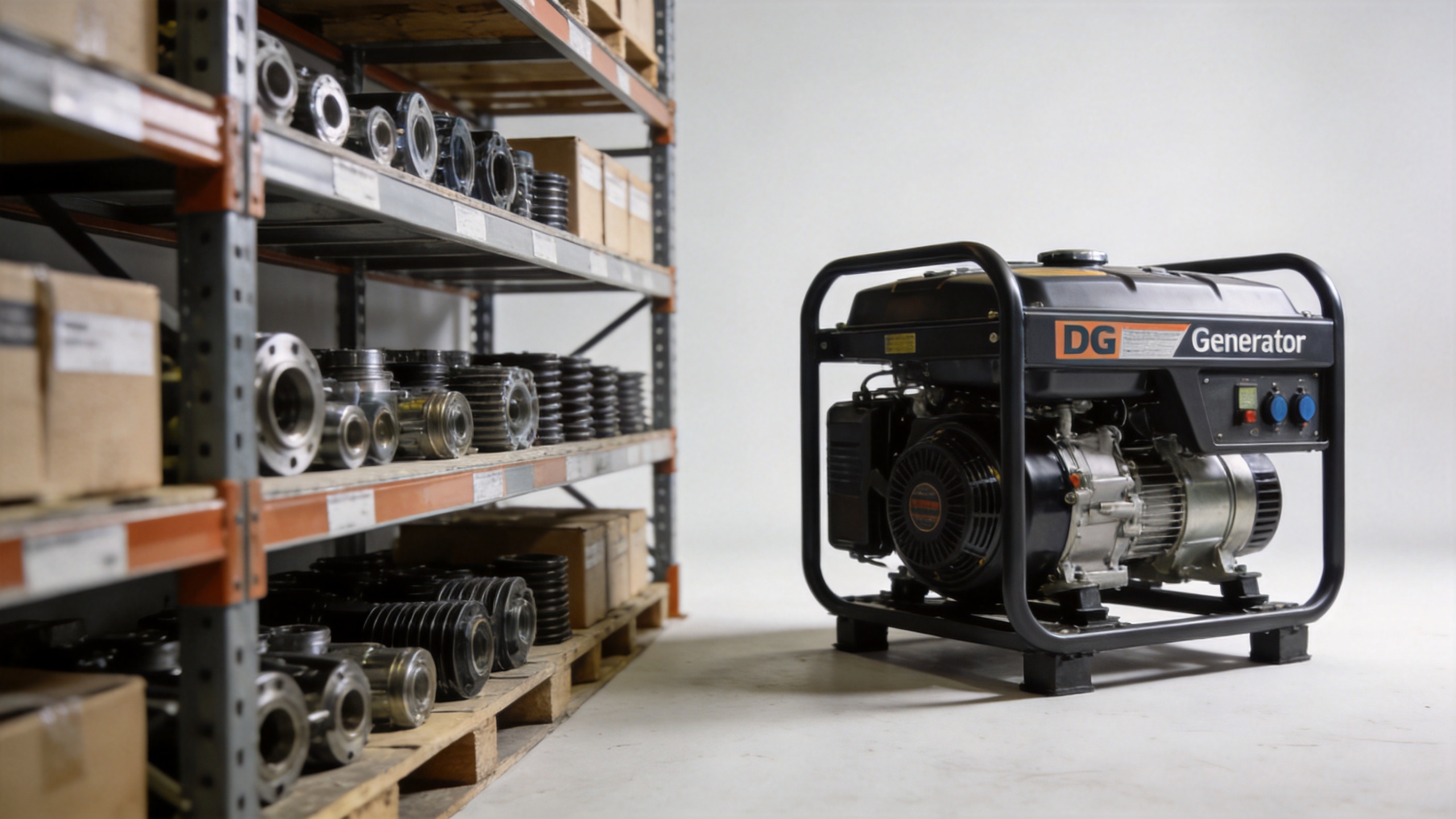
What tends to work in practice is building deeper inventory on high-frequency consumable items where demand is predictable, while maintaining lighter stock on control components like governors and AVRs, paired with a trusted supplier relationship that can turn around critical items within ten to fifteen days. That combination gives you coverage for the most common service scenarios without over-committing capital to low-velocity parts.
For distributors who also serve brand customers or private-label programs, minimum order quantity is an additional consideration. Suppliers with factory-direct manufacturing capability, rather than trading company intermediaries, typically offer more flexible MOQ arrangements for smaller aftermarket programs, particularly for packaging and labeling customization.
Sourcing Generator Spare Parts from a Factory-Direct Supplier
Working directly with a manufacturer of diesel generator parts, rather than through multi-tier resellers, has practical advantages beyond price. Documentation quality tends to be higher. Technical inquiries reach people who actually understand the product. Batch consistency is easier to audit. And when there is a post-delivery issue, the resolution process is more direct.
For distributors sourcing DG parts for the Middle East aftermarket, a factory with specialization in generator control components (speed governors, AVRs, controllers, and related replacement parts) offers a different kind of value than a broad-line industrial parts catalog. The depth of product knowledge, the range of compatible models covered, and the ability to confirm compatibility before shipment are more consistently available from a focused manufacturer than from a generalist supplier trying to cover every industrial category.
When evaluating a potential supply partner, ask for their compatibility range documentation, their standard export documentation package, their typical production lead time on core SKUs, and their terms for sample orders before bulk commitment. A supplier worth working with will answer all four questions with specific detail, not general reassurances.
A Practical Starting Point
The Middle East aftermarket for diesel generator parts is growing. It rewards distributors who combine sourcing discipline (supplier qualification, compatibility verification, documentation management) with the inventory and supply chain setup to serve customers who cannot afford extended downtime. The buyers who succeed in this market are not necessarily those with the largest catalogs or the lowest prices. They are the ones who have built reliable supply relationships and can make a credible compatibility commitment before the order is placed.
Whether you are stocking alternator spare parts for a maintenance contractor in Saudi Arabia, sourcing diesel genset spares for a distributor in the UAE, or building out a generator engine parts program for a regional brand, the fundamentals of supplier qualification, import logistics, and compatibility documentation apply equally. Starting with those fundamentals before scaling volume is the most reliable path to a profitable, sustainable aftermarket operation.






