
 EN
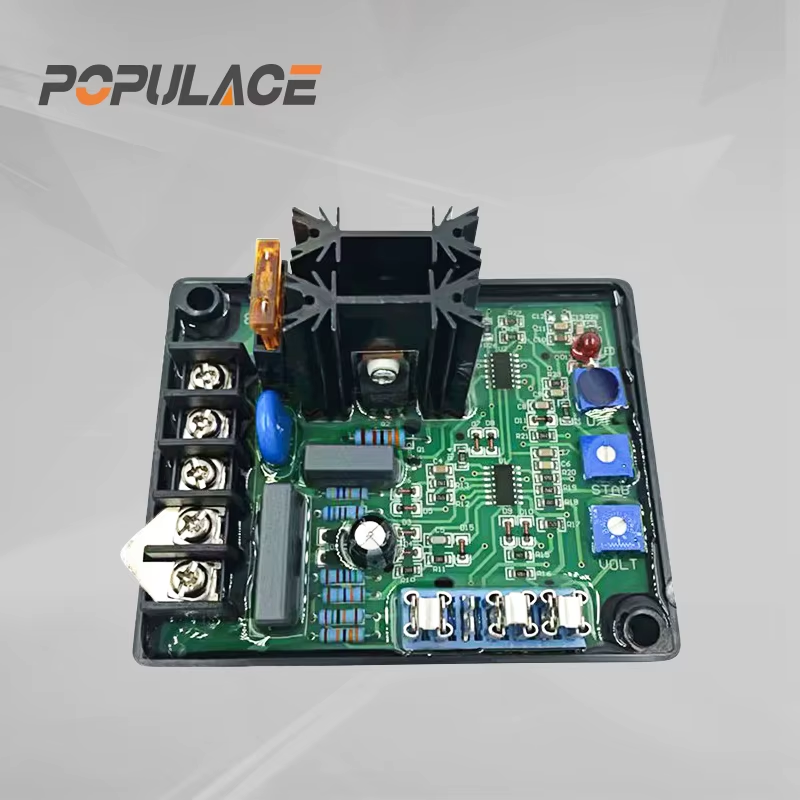
Sourcing AVR GAVR 8A Spare Parts for Power Equipment Maintenance
When a generator begins to hunt, sag under load, or hold an unstable terminal voltage, the replacement decision often lands on an avr gavr 8a. It is a familiar style of automatic voltage regulator for brushless generator excitation, but “GAVR-8A” is not a substitute for a compatibility check. A maintenance buyer needs to compare the old board, alternator connections, sensing supply, and commissioning requirements before ordering.
As a technical consultant working with generator control components, I treat the part label as the start of the review. The useful question is not simply whether a board looks like a universal avr gavr-8a; it is whether it will work correctly with the specific alternator and site conditions after installation.
Start with the failure, not the replacement listing
Before sourcing a generator AVR board, record what the set does at no load and during a controlled load change. Check wiring terminals for heat damage or looseness, inspect connectors, and confirm that the engine speed is stable. A regulator cannot correct a frequency problem caused by the prime mover. Likewise, damaged sensing leads, poor field connections, or a failed rotating rectifier can resemble an AVR fault.
Use the generator documentation and the old board label to create a simple maintenance record. Include generator model, alternator model, rated voltage and frequency, the old regulator part number, terminal markings, and clear photos of the board before removal. This turns an urgent spare-parts request into an identifiable technical requirement.
What to verify on an AVR GAVR 8A replacement
1. Sensing-input arrangement
Many listings for an avr gavr 8a describe selectable sensing ranges such as 110, 220, or 400 VAC. That information is useful only when it matches the candidate board’s own markings and the generator’s actual sensing circuit. Confirm whether the alternator provides the required single-phase sensing arrangement, which terminals are used, and whether any links or DIP-switch settings must be changed. Do not select a range from memory just because another generator used a similar board.
2. Field output requirement
An 8 amp automatic voltage regulator may be advertised with an 8 A continuous rating, while some descriptions mention a short-duration higher output. Those figures are not interchangeable with alternator field demand. Compare the alternator manufacturer’s excitation requirement with the replacement board’s datasheet, including the applicable duty condition. If the documentation is unclear, ask the supplier for the exact revision and terminal information rather than relying on a marketplace headline.
3. Frequency and protection settings
Under-frequency roll-off or protection can help prevent over-excitation as a generator slows. The correct setting depends on the set’s rated frequency and operating behavior. Confirm the frequency selector, stability control, voltage adjustment range, and any droop or remote-adjustment connections before commissioning. These settings should be documented in the maintenance log so the next service visit begins with known values.

How to use a GAVR-8A wiring diagram safely
A gavr-8a wiring diagram is most safely treated as a terminal-identification aid, not as permission to copy another machine’s connections. Board revisions, alternator winding arrangements, and accessory circuits can differ. Read the labels on the actual regulator and alternator, isolate the generator, and compare each conductor to the approved equipment documentation.
- Lock out the generator and verify that stored energy and rotating equipment hazards are controlled.
- Photograph the original terminal connections and tag conductors before removal.
- Match sensing, field, and auxiliary terminals by designation on the actual board—not by wire color alone.
- Check for loose terminals, insulation damage, and signs of overheating before fitting the new board.
- Set adjustments conservatively, start according to the generator procedure, then verify voltage and stability with suitable test equipment.
If the terminal designations do not agree, pause the work. A generic diagram cannot resolve a mismatch safely; an alternator wiring diagram or technical review is needed.
Receiving inspection for a generator AVR board
Good sourcing reduces downtime because a replacement arrives with enough traceable information to be checked before the service window. For each generator avr board, request the supplier’s product identification, terminal layout, sensing range, field-output specification, adjustment features, and revision or batch traceability where available. Compare the physical mounting pattern and connector style with the removed part as well.
At receiving, inspect the enclosure and terminals, verify that the label matches the order, and retain the packing record with the generator asset file. For wholesalers and service teams, this record makes it easier to separate a procurement discrepancy from an installation or generator-system issue.
A practical sourcing checklist
| Check | Why it matters | Record before ordering |
|---|---|---|
| Alternator and generator model | Identifies the electrical system being served | Model, serial number, rated kVA |
| Old AVR markings | Helps identify the required function and revision | Part number, terminal labels, photos |
| Sensing supply | Prevents an input-range mismatch | Measured/rated voltage and connection method |
| Field circuit | Supports output compatibility review | Alternator excitation data and wiring condition |
| Commissioning plan | Reduces avoidable start-up issues | Initial settings, test instruments, responsible technician |
Keep the spare-parts process maintenance-ready
A universal avr gavr-8a can be a practical stocking option when its documented operating characteristics fit the equipment fleet. The “universal” label should not override verification. Standardizing the intake form, terminal photos, and test procedure makes future replacements faster without turning a safety-critical electrical decision into guesswork.
KYGEN Power supplies generator parts including AVRs, controllers, governors, and related components for global service and wholesale needs. When requesting an avr gavr 8a, provide the generator and alternator details along with photos of the existing regulator. That gives the technical review a clear basis and helps maintenance teams receive a part that is ready for a controlled installation.
Conclusion
Sourcing an avr gavr 8a is most reliable when it follows a short evidence trail: diagnose the generator system, capture the original board information, verify sensing and field requirements, check the wiring against the actual equipment, and document commissioning settings. This approach protects uptime and makes the next power-equipment maintenance task easier to manage.





