
 EN
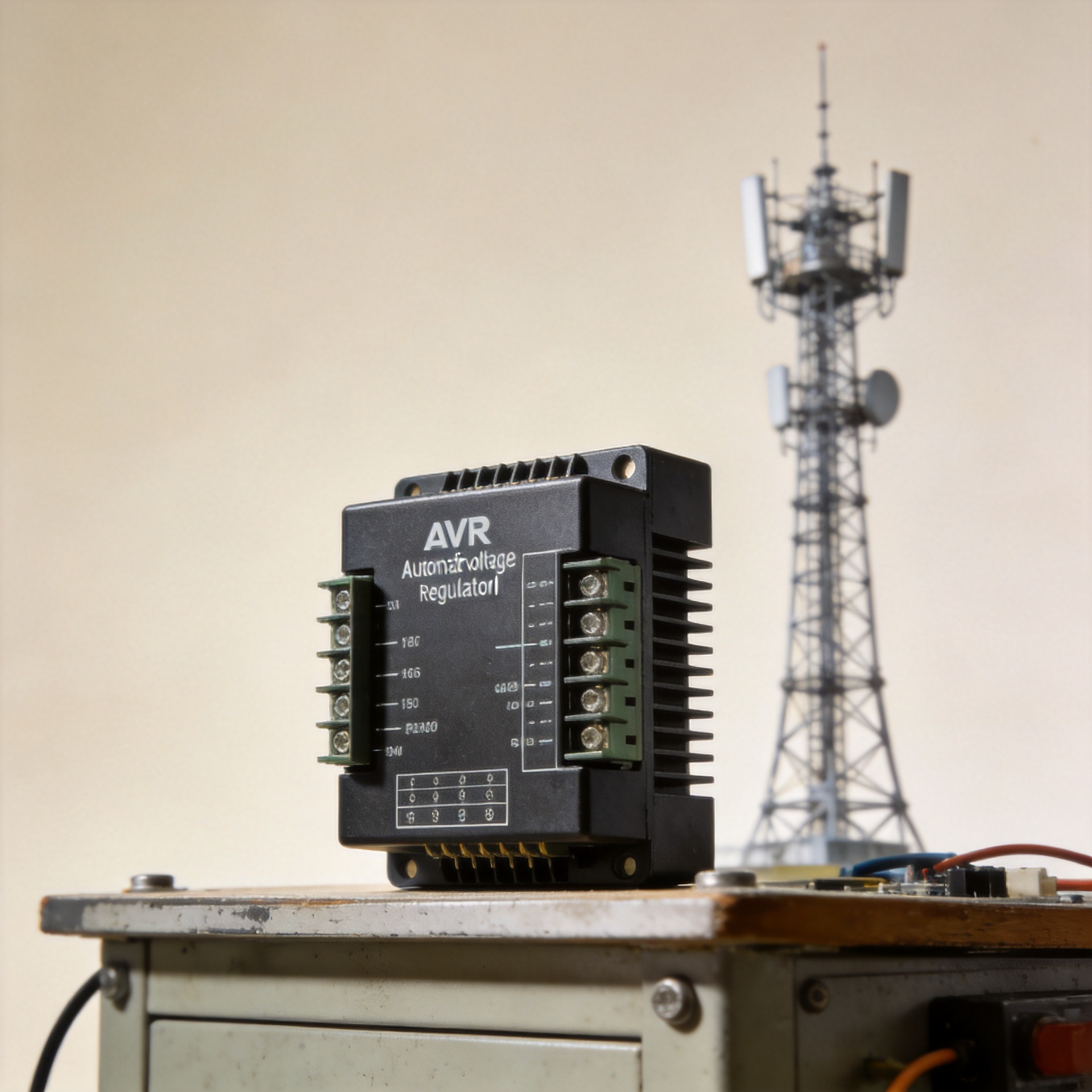
Sourcing AVR Automatic Voltage Regulator Devices for Telecom Backup Generators
When procurement teams begin sourcing an AVR automatic voltage regulator for telecom backup generators, the evaluation criteria are more exacting than for general industrial applications. Telecom infrastructure — base stations, data relay nodes, remote tower sites — depends on continuous, stable AC power to protect sensitive rectifier and DC power systems. A voltage regulator that works adequately in a construction site generator may fail to meet the tighter tolerances required in telecom backup scenarios.
This guide covers the specific requirements that shape AVR selection for telecom backup generators, the key parameters to compare across units, and the sourcing considerations that experienced procurement managers prioritize when building a reliable supply relationship for this component category.
Why Telecom Backup Generators Demand More from an Automatic Voltage Regulator
Most telecom sites power their active equipment through DC power plants, typically operating at -48V DC. The AC generator feeds rectifier systems that convert generator output to the DC bus. The implication for automatic voltage regulator selection is direct: rectifiers present non-linear, harmonic-rich loads that can cause output voltage instability on generators with poorly specified AVR modules.
A generator AVR automatic control loop tuned only for resistive or simple inductive loads may exhibit hunting — a persistent oscillation in output voltage — when connected to rectifier loads. Telecom operators have learned, sometimes through costly downtime, that generator compatibility with rectifier load profiles is not confirmed by the AVR manufacturer's nominal specification alone.
The second consideration is voltage regulation accuracy. Telecom rectifier systems require input AC voltage within a defined window — typically ±5% of nominal. An avr module with regulation accuracy of ±1% or better provides adequate margin; a unit with looser regulation can push rectifier input voltage outside acceptable limits during step-load changes, triggering protective shutdowns in the DC power plant.
Third, outdoor telecom sites in tropical or high-altitude regions impose thermal demands on all electronic components. An AVR rated only for standard commercial temperature ranges may fail prematurely when generator enclosures reach 55°C to 65°C during peak ambient conditions.
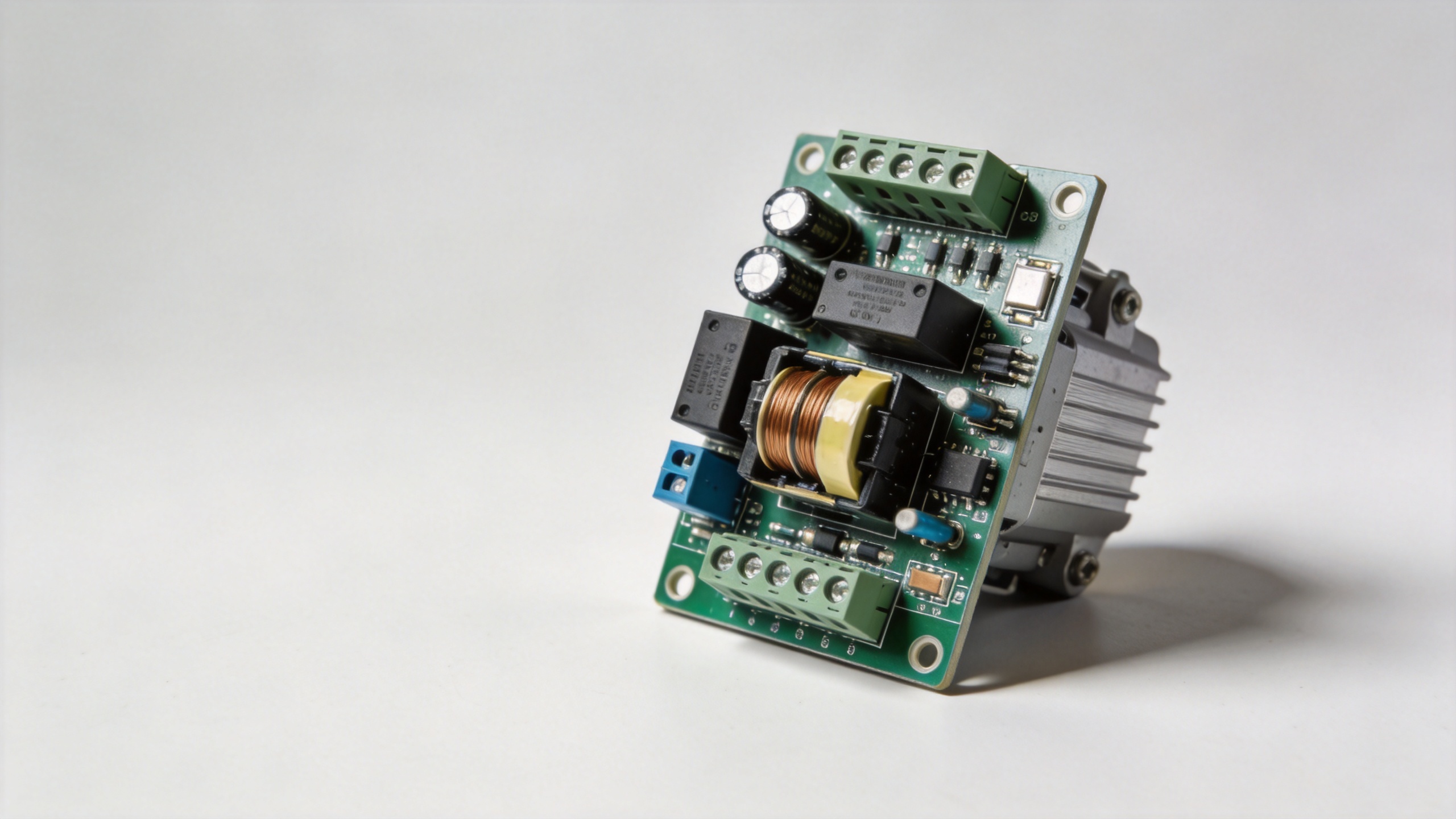
Key Selection Parameters for a Generator AVR Module
When sourcing an avr automatic voltage regulator for telecom backup applications, the following parameters should drive the specification rather than brand name alone.
Excitation Current Capacity
AVR modules are available in excitation current output ranges of 3A, 10A, and 20A continuous. The required capacity depends on the alternator field winding specification. Undersizing excitation current is a common sourcing mistake: the AVR appears compatible at light load but fails to maintain voltage regulation under full load. Match excitation current capacity to the alternator manufacturer's field current requirement, not to a general rule of thumb.
Voltage Sensing Range
The sensing input range must match the alternator's auxiliary winding output. Standard sensing input ranges are typically 95V to 132V or 190V to 264V AC. If the sensing input range does not match, the voltage regulator AVR will fail to regulate correctly or will not energize at all. This mismatch is a frequent cause of post-installation failures that are actually specification errors in the sourcing process.
Regulation Accuracy and Response Time
For telecom applications, specify regulation accuracy at ±1% or better under steady-state conditions. Step-load response is equally important: this measures the AVR's ability to restore voltage within acceptable limits after a sudden load change. A response time under 300 milliseconds for a 50% step load is a reasonable benchmark for backup generator applications serving rectifier loads.
Operating Temperature Range
Standard commercial-grade AVR modules are often specified for 0°C to 50°C. If the generator operates in a high-ambient environment, verify that the AVR module's upper temperature rating provides adequate margin. Units rated to 70°C continuous provide meaningful headroom for sites that run hot.
Common AVR Module Types in Telecom Backup Generators
Telecom backup generator installations draw on a relatively small set of proven AVR module designs.
- Brushless self-excited AVR modules: Used in the majority of medium-capacity brushless alternators. The generator avr automatic regulation loop is internal, requiring only terminal connections and an initial trim adjustment.
- Programmable/dip-switch configurable AVR modules: Suitable where a single AVR needs to be adapted to different alternator configurations. Programmable sensing range and regulation setpoints reduce SKU count for procurement teams.
- Brand-specific OEM replacement types: Designed for direct replacement in named alternator brands (Stamford, Leroy Somer, Mecc Alte, Marathon). Straightforward compatibility documentation, but typically higher unit cost and longer lead times.
- Universal aftermarket AVR modules: Offer broader compatibility across alternator types. Quality varies significantly by supplier; aftermarket units from verified manufacturers can perform equivalently to OEM types when compatibility is confirmed against the specific alternator model.
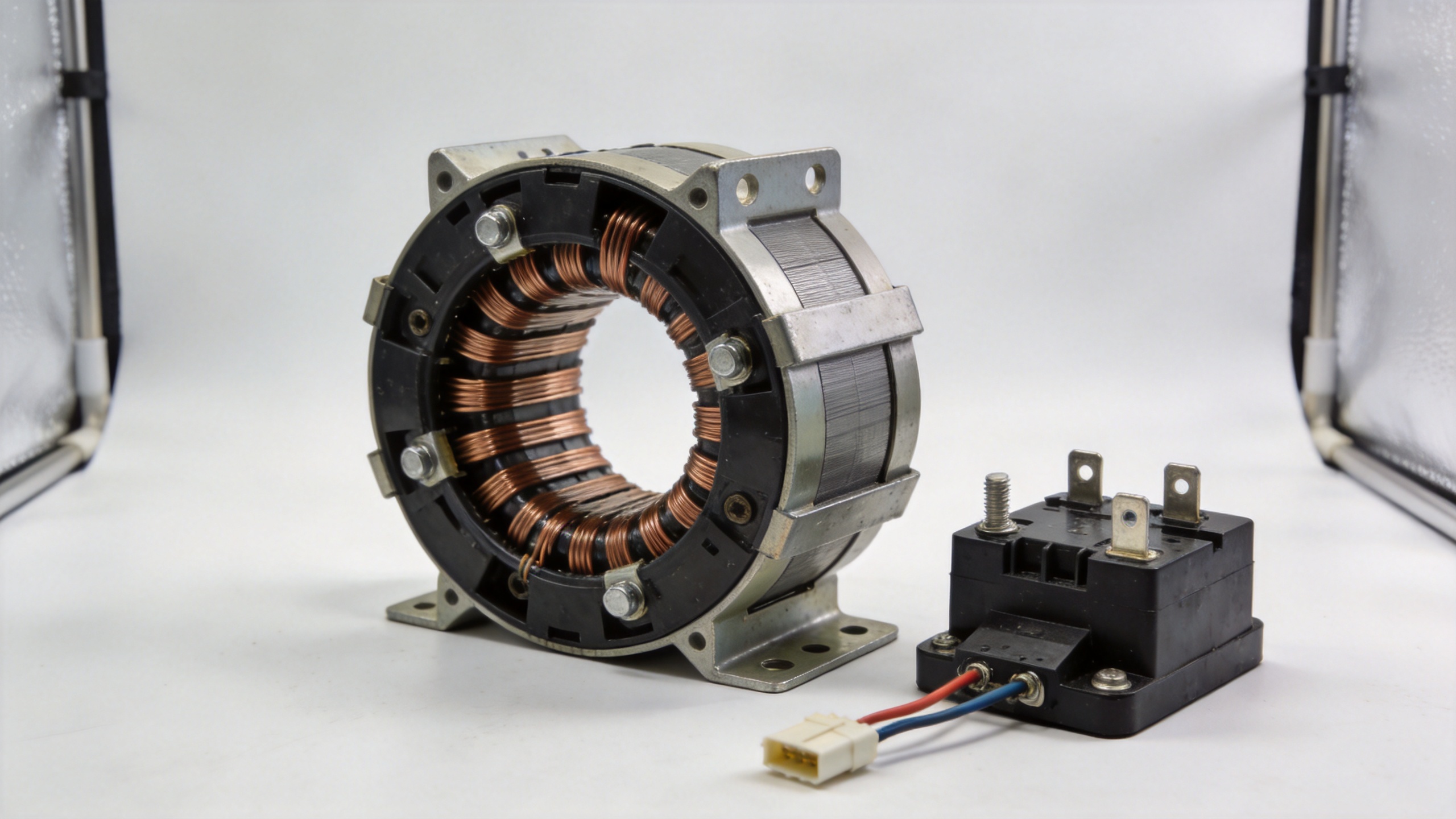
Procurement and Sourcing Considerations
Sourcing an AVR automatic voltage regulator for telecom backup applications carries higher consequence than general generator parts procurement. An AVR failure at a remote telecom site often means extended generator downtime with no local replacement available.
Compatibility Verification Before Commitment
What most experienced procurement teams check — and what first-time buyers often miss — is confirming the AVR module against the specific alternator model, not just the generator brand. Two generators of the same brand and capacity from different production years can use different alternator models with different field current and sensing requirements. Request the alternator nameplate data — manufacturer, model, and serial range — before finalizing an order. Suppliers who include pre-shipment compatibility verification as part of their quotation process reduce downstream risk for buyers sourcing across multiple generator configurations.
OEM vs. Aftermarket Trade-offs
OEM AVR modules carry manufacturer compatibility assurance and are documented in the generator service manual. The trade-off is cost and lead time: OEM parts may carry price premiums of 30% to 100% over aftermarket equivalents. For telecom operators maintaining spare AVR inventory across a large generator fleet, aftermarket units from verified manufacturers can reduce working capital requirements while maintaining adequate quality assurance — provided the supplier demonstrates batch consistency and provides technical documentation.
Experienced procurement managers often source OEM AVRs for highest-criticality generators (core network nodes) and qualify verified aftermarket equivalents for lower-criticality backup installations.
Supplier Qualification and Lead Time
For ongoing telecom maintenance programs, batch consistency matters because regulation setpoint and component tolerances affect real-world performance. Specialist generator control component suppliers — such as Populace Electronic Co., Ltd., operating through kygenpower.com and populaces.en.alibaba.com — offer model-level compatibility support and pre-sales technical verification for AVR sourcing inquiries. For remote sites, pre-positioning spare AVR modules at regional depots reduces the risk of extended downtime from single-unit failures.
Working with Your AVR Supplier
A structured voltage regulator avr sourcing relationship should include: written specification confirmation at order entry, documentation of alternator models covered by each AVR type, a defined process for compatibility questions before shipment, and a clear defect resolution path. Sourcing an avr automatic voltage regulator for telecom backup generators is a technically specific task — buyers who treat specification confirmation and batch quality as non-negotiable requirements will achieve the most reliable long-term outcomes.






