
 EN
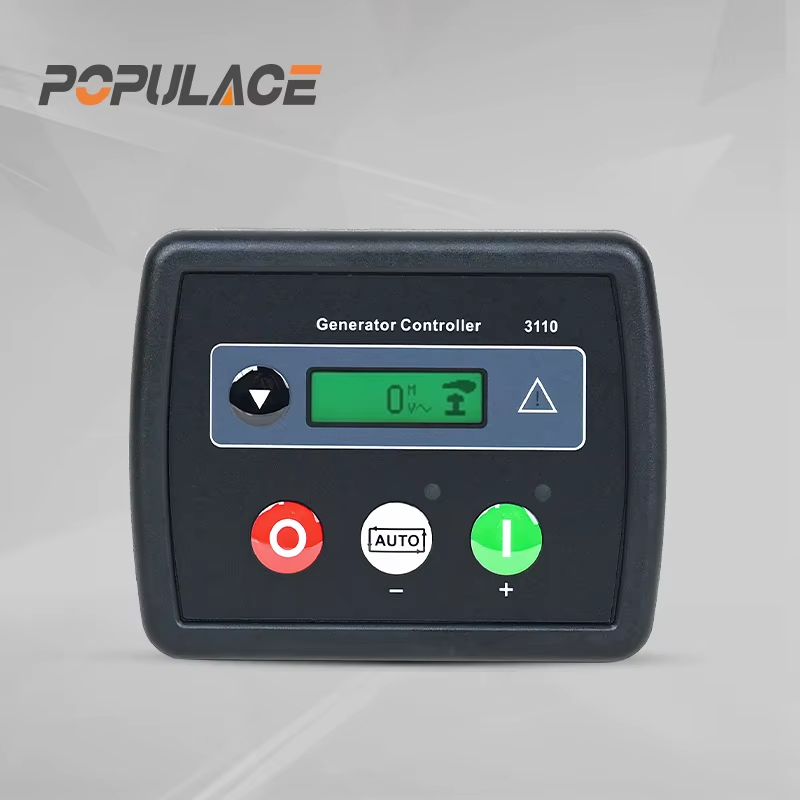
SmartGen Genset Controller: HGM Model Comparison
Choosing a smartgen genset controller is less about picking the most feature-heavy display and more about matching the controller to the generator, transfer arrangement, engine interface, and commissioning process. As a technical consultant working with generator control components, I start with compatibility: the engine model, the site load profile, the available sensing circuits, and the required operating sequence all matter before a controller is ordered.
For many single-set projects, the HGM6100N family is considered when an automatic generator start module is needed for standby duty. The practical choice between an HGM6110N and an HGM6120N should be made from the current model manual, the project wiring diagram, and the exact control scope. Product revisions and configured options can change what is available, so a model name alone is not a complete specification.
What a SmartGen Genset Controller Does in a Standby System
A smartgen genset controller sits between field signals and the sequence that starts, supervises, and stops a generator set. In a typical automatic application, it monitors the relevant source conditions, accepts a remote or automatic start request, manages the crank and warm-up sequence, watches protective inputs, and commands the generator-side or mains-side changeover logic as designed by the integrator.
That distinction is important. A controller can provide the decision logic for an ATS sequence, but the transfer switch, contactors, interlocks, and power cabling still have to be selected and wired for the electrical system. Treating a diesel generator auto start controller as if it replaces all transfer hardware is a common design mistake. The controller is the decision-making layer; the power switching assembly remains a separately engineered part of the job.
HGM6110N vs. HGM6120N: Start With the Required Control Scope
Both names are associated with the HGM6100N controller family and are commonly evaluated for single-generator automation. The right smartgen genset controller is therefore the one whose current documentation matches your sensing, output, communication, and changeover requirements—not necessarily the one that seems cheaper at first glance.
| Selection question | Why it matters | What to verify before ordering |
|---|---|---|
| How will the set receive a start command? | It determines how the automatic generator start module is used. | Two-wire remote start logic, schedule/AMF logic where applicable, and required permissives. |
| Is mains sensing and transfer sequencing required? | ATS-oriented projects need a complete control-and-power design. | Voltage sensing arrangement, breaker/contactor feedback, interlocking, and the transfer device wiring diagram. |
| Does the engine need electronic communication? | A Cummins power command controller or another engine ECU interface may require a defined communication plan. | Exact engine control system, protocol support, harness, termination, and fallback alarm strategy. |
| What must the site operator see or acknowledge? | The operator workflow affects commissioning and serviceability. | Alarm list, manual controls, remote indication, shutdown/reset method, and language requirements. |
In other words, use the HGM6110N or HGM6120N comparison as a requirements review. If the application is a straightforward single-set start/stop package, the simplest compliant smartgen genset controller can be the sensible choice. If the project adds mains monitoring, a more involved automatic sequence, or engine data integration, confirm those points line by line in the model-specific manual before selecting the controller.
Automatic Start/Stop and ATS Control: Define the Sequence First
A reliable generator auto start module project begins with a written sequence of operation. For example: mains or remote-start condition is detected; start permissives are checked; the engine cranks; speed and voltage become acceptable; the system delays for warm-up; the load transfer command is enabled; then, after the return condition and re-transfer delay, the set cools down and stops. Each timer, input polarity, and feedback contact must agree with the one-line diagram.
This is where a smartgen genset controller earns its value. It makes the sequence visible and configurable, but it cannot correct a reversed feedback contact, an incorrectly scaled voltage input, or a missing electrical interlock. If your application runs a stable load profile, a simple arrangement may be appropriate. If motor loads cycle frequently, multiple start permissives are present, or the site has a complex transfer arrangement, verify the entire sequence at the panel level before energizing the system.

Configuration and Wiring Guidance for Genset Integrators
Before installing any smartgen genset controller, freeze the panel schematic and label every terminal against the approved drawing. Then work through this commissioning checklist:
- Confirm the power supply and protection. Use the controller documentation for supply range, fuse protection, grounding, and polarity. Isolate control wiring from high-current and noisy power conductors as the panel design requires.
- Map every field input. Identify oil pressure, coolant temperature, emergency stop, fuel level, breaker auxiliary contacts, remote start contacts, and any programmable inputs. Do not assume sensor type or input state from a previous panel.
- Validate sensing circuits. Confirm the intended phase/neutral arrangement, voltage transformer use if any, source identity, and fusing. A smartgen genset controller can only make correct decisions from correct measurement wiring.
- Check output loads and interlocks. Starter, fuel, preheat, breaker, and transfer commands may need relays, suppression, or intermediate contactors. Verify coil ratings and fail-safe positions rather than driving loads by assumption.
- Parameterize before functional testing. Enter the generator and engine parameters specified for the project, review alarm actions, and record the configuration version. A diesel generator auto start controller should be commissioned from a controlled parameter sheet, not a technician’s memory.
- Test in stages. Prove I/O indications first, then manual start/stop, then automatic start logic, then transfer feedback and protection response. Use safe test conditions and the project’s lockout procedures.
How It Relates to Cummins PowerCommand and DSE Choices
A cummins power command controller is generally part of an engine-generator ecosystem rather than a universal substitute for every aftermarket controller. Its suitability depends on the generator package, available documentation, and engine-control interface. Likewise, Deep Sea Electronics controllers are often compared with a smartgen genset controller because both may be considered for generator automation, but neither brand is universally better.
Compare like for like: required inputs and outputs, sensing approach, operating mode, engine interface, communication requirement, service access, documentation, local support, panel rework, and total installed cost. The controller purchase price is only one line item. A lower upfront price is not a saving if it creates extra engineering, incompatible harnesses, or a commissioning delay. Conversely, a more capable controller is not automatically justified when a basic automatic generator start module meets the written sequence safely.
Using Confirmed Product Links in a Sourcing Review
For a live product review, begin with the actual product pages and confirm the current revision, supplied accessories, and delivery scope with the seller. You can review the Smartgen HGM6110N Genset Controller ATS Auto Start Module for Diesel Generator and the HGM6120N Controller Intelligent Diesel Genset ATS Generator Control Module HGM6110N as starting points. A smartgen genset controller should be bought against a confirmed panel bill of materials, not only a listing title.
Final Selection Rule
A sound smartgen genset controller selection is the model that fulfills the approved start/stop sequence, provides the required sensing and feedback paths, fits the engine interface, and can be commissioned with documented settings. Compare HGM6110N and HGM6120N at that level, then assess DSE or OEM-oriented alternatives on the same basis. That approach gives integrators a more dependable result than choosing by brand familiarity or headline price alone.





