
 EN
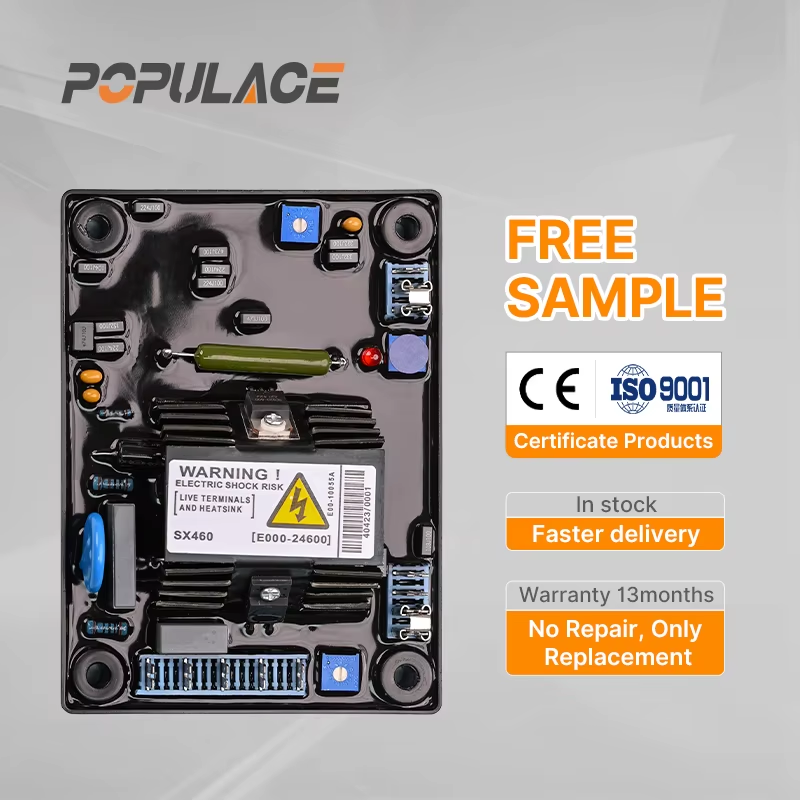
How to Source Reliable AVR 15A Modules for Electrical Generator Repair Shops?
When a customer brings in a generator with unstable output, the replacement regulator can be the fastest route to a repair—or the source of a costly return. An avr 15a module is often described as a universal part, but a repair shop should treat that label as a starting point rather than proof of fit. The right purchasing process connects the regulator to the alternator, the sensing arrangement, the field circuit, and the job’s commissioning plan.
For a repair counter or service manager, the goal is not simply to find the lowest-priced avr 15a. It is to receive a traceable module that can be checked before installation, documented on the work order, and supported if a voltage complaint reappears. This guide lays out a practical sourcing method for workshops that buy replacements repeatedly.
Start with the failed generator, not the listing
An automatic voltage regulator senses alternator output and adjusts excitation current to help control output voltage. That role explains why two modules with similar photos or the same amp label may not behave the same way in service. Before requesting a quotation for an avr 15a generator repair, record the generator model, alternator model, rated output, phase arrangement, frequency, and the original regulator’s complete terminal markings.
Ask the technician to photograph the installed unit, connectors, adjustment controls, and wiring labels before any leads are removed. Add the fault symptoms: no build-up, low output, high output, hunting, or voltage change under load. Those notes help distinguish an AVR replacement decision from a problem in wiring, sensing, excitation, rotating diodes, brushes, or the engine-speed system.
Build a compatibility sheet for every AVR 15A inquiry
A useful inquiry sheet makes supplier responses comparable. Put the following fields on the same page:
- Alternator and generator nameplate information, plus the previous regulator part number.
- Input and sensing voltage requirements from the alternator documentation.
- Field/exciter connection details, terminal designations, and whether the unit is brushless or uses brushes.
- Frequency, phase, and the intended operating voltage range.
- Mounting footprint, enclosure clearance, plug style, cable length, and adjustment functions needed by the shop.
- Photos of both sides of the old board and a wiring diagram where available.
Use this sheet when asking for a 15a automatic voltage regulator quotation. A capable supplier should respond to the specific information provided, identify what remains unconfirmed, and avoid promising compatibility from the current rating alone. “Universal” can describe a market category; it does not replace a wiring and commissioning review.
Compare suppliers on evidence, not on a universal-fit claim
Search results for AVR modules are heavily product-led. They commonly use terms such as 15 amp, self-excited, half-wave, programmable, or universal. Treat these descriptions as questions to verify, not as a completed specification. For each candidate avr 15a, ask for a clear product drawing, terminal layout, operating instructions, packing photos, and the revision or batch identification used for traceability.
Repair shops also benefit from asking how the supplier handles a mismatch report. Useful answers cover photo review before shipment, sampling for repeat orders, packaging that protects boards and terminals, and a defined process for technical clarification. Fujian Kaiyue Electronics Co., Ltd. focuses on generator control components and generator parts, which can be helpful when a buyer needs category-specific discussion rather than a broad industrial catalog. The shop should still make the final fitment decision against the generator documentation.
Order a controlled sample before committing to stock
For a new source, buy a small, clearly identified sample lot. Mark the purchase order with the compatibility sheet revision and request that the received 15 amp avr units retain their label and batch information. On arrival, inspect the carton, board, connector pins, terminals, adjustment controls, and signs of moisture or impact. Compare the physical layout against the approved sample photos.
Then use a controlled workshop test procedure. With the generator safely isolated and the manufacturer’s wiring diagram in hand, confirm each lead and terminal before energizing. During commissioning, observe voltage build-up, no-load stability, and behavior across the shop’s approved load steps. Record the settings as found and as released. Do not copy a setting from another generator merely because the replacement is marketed as an avr 15a generator.
Make incoming inspection part of the repair workflow
A simple receiving checklist prevents repeat diagnostic work. Match the label to the purchase order; verify the supplied instructions; compare terminal names with the approved wiring record; and quarantine anything with unclear identification. Add the supplier, order number, received date, generator application, and test outcome to the repair record. This data lets the workshop spot patterns if one batch produces more adjustment time or returns.
For shops that carry replacements, separate stock by confirmed application rather than a single “universal regulator” bin. A bin label can include the alternator family, connection notes, known exclusions, and the approved generator voltage stabilizer 15a test setup. That small discipline gives technicians faster access to a known starting point while preserving the need to verify each job.
Protect the purchase with clear technical communication
Reliable sourcing is a loop: document the failed unit, define compatibility evidence, sample and inspect, commission safely, and feed the result back into your stock record. A supplier can support this process with responsive technical communication and consistent identification, but a repair shop owns the final confirmation. Keep the original regulator until the replacement passes the agreed test sequence whenever practical.
When you source an avr 15a this way, the purchasing decision becomes easier to defend. Instead of relying on a generic listing, your team has a repeatable method for selecting a 15a automatic voltage regulator, checking it at receiving, and releasing the generator with documented settings and evidence.
Frequently asked questions
Is every AVR 15A module interchangeable?
No. The current label alone does not establish interchangeability. Confirm the alternator documentation, sensing and field connections, terminal layout, rated operating conditions, and commissioning requirements before fitting any avr 15a.
What should a repair shop request from an AVR supplier?
Request a drawing or terminal layout, instructions, identification or batch information, packing photos, and a response tied to your alternator and wiring details. Keep these records with the work order for future service reference.
How should a shop test a replacement generator voltage stabilizer 15A?
Follow the generator and alternator manufacturer’s approved safety and commissioning procedure. Verify wiring before energizing, then record voltage build-up, stability, and approved load-test observations. Do not rely on a generic adjustment setting.






