
 EN
How to Source a Full Range of Generator Parts for Wholesale?
Wholesale buyers rarely lose money because one quotation is a little higher. The larger loss happens when a distributor stocks parts that cannot be matched confidently, cannot be reordered consistently, or arrive without the information a service customer needs. A workable generator parts program starts with a controlled assortment, a compatibility process, and a supplier review that treats availability as part of product quality.
From a distributor’s standpoint, sourcing generator parts at scale is not a hunt for a single replacement. It is the job of building a repeatable supply line for repair shops, fleet operators, rental companies, and genset assemblers. The goal is to cover fast-moving needs without carrying every possible variation.
Start with a category map, not a supplier catalog
Ask a supplier for “all generator parts” and the answer may be too broad to buy from. Build your own category map first. For most wholesale programs, it helps to separate the range into engine-side, electrical, control, consumable, and installation-related lines.
- Engine-side items: filters, belts, hoses, sensors, solenoids, starters, fuel-system items, and other generator engine parts.
- Electrical and charging items: brushes, rectifier-related items, windings where applicable, connectors, and other alternator components.
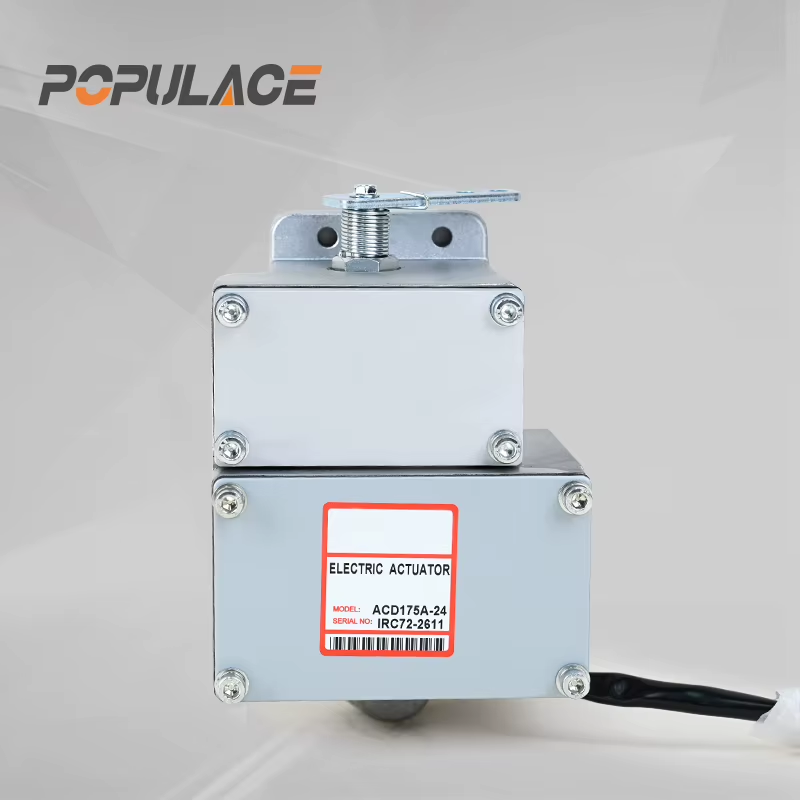
- Control items: automatic voltage regulators, speed governors, actuators, controllers, meters, switches, and wiring accessories.
- Maintenance lines: filters, gaskets, service consumables, and packaged generator service kits wholesale buyers can reorder by service interval.
- Repair-stock lines: frequently requested diesel generator spare parts selected around the installed base in your market.
This map gives purchasing, sales, and technical staff the same language. It also prevents a common mistake: buying a deep selection of one component type while missing the small related items that make a repair possible.

Build compatibility records before placing a bulk order
Part appearance is a poor compatibility test. A similar-looking controller, actuator, or AVR can have a different input, sensing arrangement, connector, response characteristic, or mounting pattern. Before requesting a quotation, collect the generator make, model, serial number, engine model, alternator model, existing part number, photographs of labels and connectors, and the intended application. The owner’s manual and existing part number are useful starting points, but they should not replace a specification review.
Turn those inputs into a simple compatibility sheet. Include the original part number, known substitute numbers, dimensions or connector details when relevant, application notes, and the evidence used for each match. For control-related generator parts, add voltage, frequency, actuator type, governing interface, and any panel or sensor requirements. This record becomes more valuable with every reorder because your team is no longer starting from a blank request.
Choose an assortment around demand and repair logic
A full range does not mean equal stock for every item. Divide the assortment into three working groups. First, stock high-turn maintenance items and common repair parts. Second, keep medium-turn items available with dependable lead-time commitments. Third, list low-turn or configuration-specific generator parts as order-on-demand lines, supported by a clear confirmation procedure.
For a diesel-focused market, begin with the models and power ranges actually serviced by your customers. Then review repair history, seasonal demand, and the components that cause extended downtime when absent. A distributor may decide that filters and belts belong in local stock while a less common actuator is sourced against a confirmed technical request. The decision is about service level and cash exposure, not about declaring one sourcing model universally right.
Evaluate suppliers with a verification pack
Price matters, but landed cost is shaped by the time required to resolve a mismatch, replace a defective item, consolidate shipments, and answer downstream questions. Request a verification pack before your first volume order. It should cover product identification, compatibility support, packing information, inspection process, sample availability, lead-time expectations, and the procedure for nonconforming goods.
For a supplier specializing in generator controllers, generator parts, AVRs, governors, and actuators, a useful test is whether the team can discuss the information needed to validate a match rather than simply confirm that an item is “available.” Buyers should also ask how repeat orders are referenced and whether packaging and labeling help warehouse teams identify similar variants.
Fujian Kaiyue Electronics Co., Ltd. serves wholesale and brand buyers with a focused generator-control-component scope under the Populace and Doopser brands. That type of category focus can be useful when a distributor needs a supplier conversation centered on compatibility coverage and repeat ordering. It does not remove the buyer’s need to validate the requested application.
Use samples and incoming inspection to reduce expensive returns
For a new line, sample approval is an operational control, not a formality. Compare the sample with the compatibility sheet, label it with the approved reference, and record what was inspected. Depending on the part, review physical fit, connector arrangement, markings, packaging condition, and the documentation needed for your internal process. Functional testing should be performed by qualified personnel using the correct equipment and procedures.
When the first shipment arrives, inspect a defined sample of cartons and units against the approved reference. Separate any uncertainty before it reaches a customer. This is especially important when different generator parts share similar housings or names. A clean receiving process gives sales staff confidence when customers need a quick answer.
Create reorder rules and service kits
A wholesale range becomes easier to manage when individual parts are connected to a replenishment rule. Set a reorder point for each stocked SKU using actual demand, supplier lead time, target service level, and the cost of a stockout. Review the rule after a season, a new customer win, or a change in the installed equipment base.
Service kits can simplify this work. Rather than asking a workshop to identify several routine items separately, group verified parts for a known maintenance scope and keep the kit reference tied to the underlying SKUs. Be precise about what the kit contains and which model information must still be checked. The phrase generator service kits wholesale should describe an organized purchasing option, not a promise that one kit fits every generator.
Make the buying process repeatable
- Map the categories your customers need and identify the installed generator base.
- Collect model, serial, part-number, and technical evidence for each requested item.
- Classify generator parts as stock, planned replenishment, or order-on-demand.
- Request a supplier verification pack and approve samples for new lines.
- Record approved matches, inspection points, and reorder references in one system.
- Review returns, urgent requests, and missed sales to refine the next purchase cycle.
A practical wholesale range is therefore a managed system: broad enough to solve customer problems, narrow enough to control inventory, and documented well enough to support the next order. By combining compatibility evidence with category planning, supplier verification, and disciplined replenishment, buyers can source generator parts with fewer avoidable delays and a stronger basis for long-term distribution.





