
 EN
How to Sell Genset Auto Start Modules to Generator Service Shops?
Generator service shops do not buy a controller simply because it is labelled automatic. They buy a solution they can fit, commission, and support without turning a routine service call into a callback. That is the commercial opening for a genset auto start module: position it as a repeatable retrofit and service package, not as a box of electronics.
For a distributor or controller supplier, the strongest sales conversation starts with the shop’s installed base. A shop may service standby sets for buildings, mobile units, agricultural pumps, telecom backup systems, or small industrial fleets. Each application has a different start request, engine interface, and handover risk. A clear qualification process helps the shop decide where a genset auto start offer is appropriate before it promises a customer an automatic solution.
Sell the service outcome before the module
Service shops earn trust by restoring availability. Frame a genset auto start module around that outcome: it can receive a permitted automatic request, carry out a controlled start sequence, monitor the set during operation, and stop it according to the configured logic. The exact functions depend on the selected controller and the genset, so avoid universal promises. Instead, explain that the shop can define a documented operating sequence during commissioning.
This approach separates a professional retrofit from a low-price replacement part. The shop is not only reselling hardware. It is selling site inspection, wiring verification, settings, functional tests, customer training, and a record of the final configuration. Those billable steps protect margin and make the genset auto start package easier to compare on value rather than purchase price.
Start with a short qualification checklist
Before quoting a genset auto start installation, ask for information that the technician can verify at the genset. Good questions reduce the chance that a controller selected for one type of engine start circuit is forced onto another.
- What are the generator make, engine model, control voltage, and existing panel condition?
- Is the engine electrically started, and are the required start, stop, fuel, and preheat circuits accessible?
- What will request the start: a mains-failure panel, an inverter, a level switch, a timer, a remote contact, or an operator?
- Does the application require a simple two-wire request, a multi-wire sequence, or additional interlocks?
- Which protections must be visible or acted upon, such as low oil pressure, high temperature, charging failure, or overspeed where supported by the set?
- Who will approve the test sequence and receive the final settings record?
These questions let a shop distinguish an auto start for genset request from a full control-panel rebuild. They also reveal whether the customer needs switching equipment, sensing equipment, or site wiring beyond the controller itself. Do not imply that one auto start for genset configuration fits every engine; the technician should check the genset documentation and local electrical requirements.
Make the panel conversation concrete
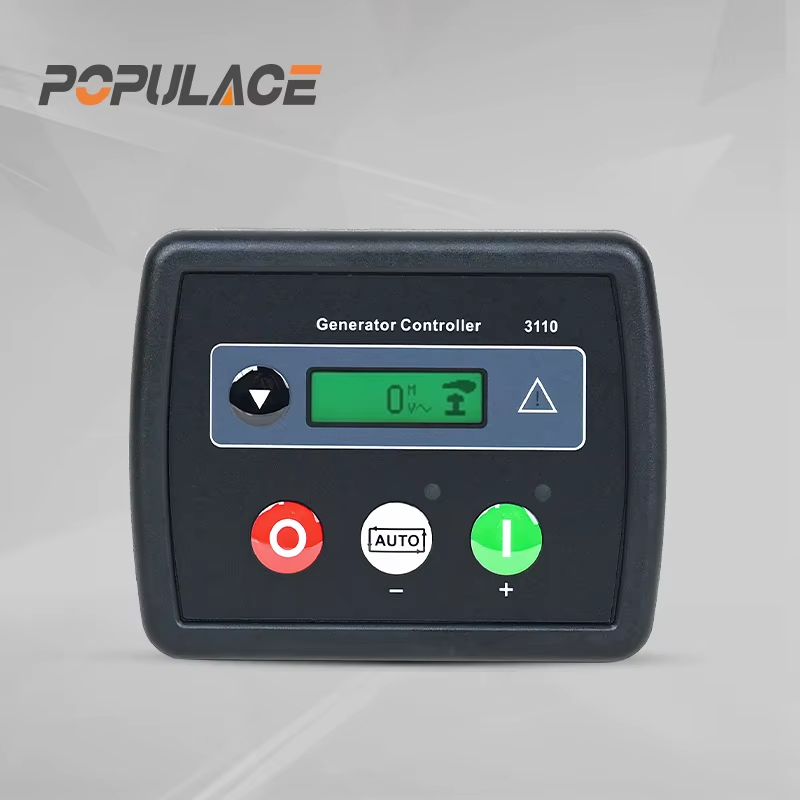
A service manager often needs to see how a genset auto start panel affects daily work. Explain the operator view in plain language: the panel may provide an auto/manual selection, start and stop controls, running indication, measured values where supported, alarm indication, and shutdown status. Search results for generator controllers commonly group these functions together, which makes them useful anchors for a practical demo.
When presenting a genset auto start panel, use a simple sequence: show the request input, show the crank and warm-up sequence, show the run condition, then show how an alarm or stop request is handled. A live bench demonstration is more persuasive than a feature list because the shop can judge terminal layout, menu clarity, and the time needed to explain the unit to its own technician.

Package a generator auto start unit for resale
The easiest product to sell is often a defined kit. Build a quote around the generator auto start unit, the appropriate enclosure or panel format, labelled wiring materials, a configuration sheet, and a commissioning checklist. This makes the supplier’s offer easier for the shop to order and easier for its team to install consistently.
For the generator auto start unit, describe compatibility as a verification process rather than a marketing claim. State the required supply voltage, input and output needs, and any application limits from the official documentation. If a customer asks for battery-voltage, temperature, mains-status, or dry-contact logic, have the shop record the request and validate that the intended controller and site wiring support it. This avoids overselling features that may need external equipment or a different model.
Give technicians a commissioning path
Technicians recommend products that are predictable. Provide a one-page procedure for each auto start controller for genset sale: isolate safely, inspect the existing wiring, label connections, confirm polarity and supply, enter the agreed settings, test manual operation, test the automatic request, verify alarms and stop behavior, and document the handover. The final functional test should be conducted under safe conditions agreed with the site owner.
A consistent procedure helps the shop turn a auto start controller for genset into a service standard. It also creates useful after-sales data. If a customer calls later, the service desk can start with the controller model, wiring notes, configured delays, and the observed fault rather than guessing what was installed.
Handle objections without discounting
“My technician can wire a relay” is a common objection. Agree that a simple relay can suit a simple task, then move the discussion to repeatability. A dedicated genset auto start solution can give the shop a clearer operating interface, defined settings, visible status, and a documented commissioning method. The commercial value is fewer unknowns across different service calls.
“Will it work with every generator?” should receive an equally direct answer: no controller should be assumed compatible without checking the engine and panel interface. That honest answer builds credibility. It also creates a paid assessment step and protects the shop from installing an unsuitable auto start for genset setup.
Create a simple sales motion for service shops
- Segment accounts by the type and age of gensets they maintain.
- Offer a no-obligation controller compatibility review using the qualification checklist.
- Demonstrate one genset auto start panel on a bench or training set.
- Quote hardware, installation, commissioning, and optional preventive inspection as separate line items.
- Leave the shop with configuration and handover templates it can reuse.
Follow up after the first installation. Ask which wiring step took time, which settings were unclear, and what their customer asked at handover. That feedback improves the next generator auto start unit package and makes the supplier more useful than a catalogue source.
Final takeaway
To sell more genset auto start modules to generator service shops, sell confidence in the installation process. Help the shop qualify the set, choose the right interface, commission safely, and document the result. When the module is paired with a clear workflow and technician-ready support, it becomes a practical recurring service offer rather than a one-time component sale.





