
 EN
How to Sell Electronic Governor Upgrades for Old Diesel Generators?
Legacy diesel generators are still useful assets, but a mechanical speed-control setup can become difficult to support when operating requirements, load behavior, or replacement-part availability change. For a distributor, an electronic governor retrofit is not a controller-only sale. It is a qualification project: confirm the engine, speed sensing, actuator interface, linkage, power supply, and the customer’s operating objective before a quotation is issued.
That approach protects both the buyer and the seller. A well-matched electronic speed governor can give an older genset a more configurable control system; a poorly matched kit can create commissioning delays and unnecessary returns. The practical goal is to sell a documented upgrade path, not a universal replacement.
Start With the Retrofit Problem the Buyer Is Trying to Solve
Ask one direct question early: is the customer replacing a failed mechanical governor, trying to stabilize governed speed under changing load, standardizing a service fleet, or building stock for several generator models? Each answer changes the sales conversation.
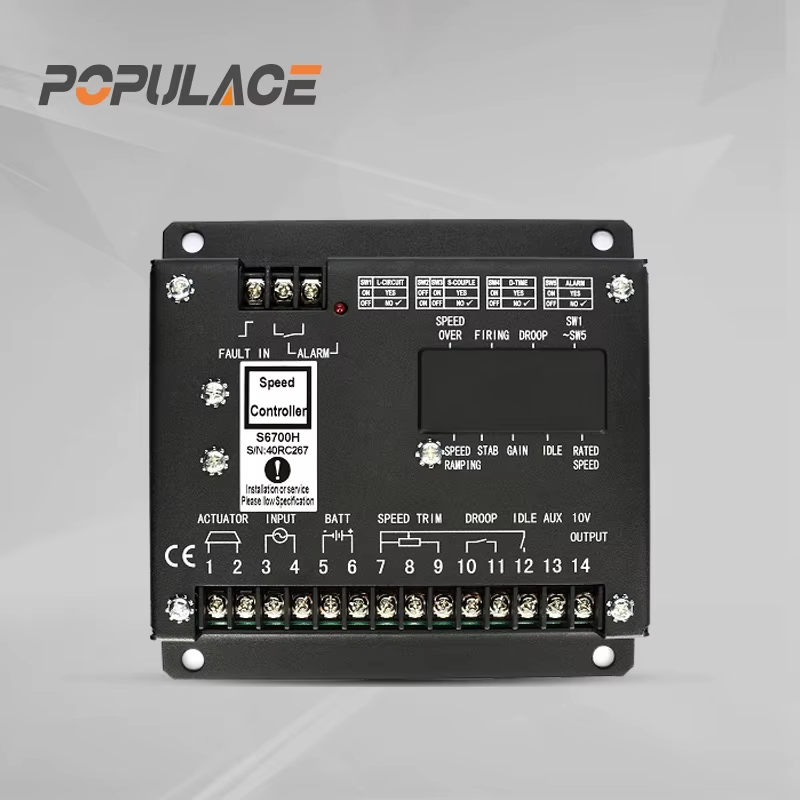
An electronic governor for diesel engine applications is normally part of a system that uses speed feedback and an actuator or fuel-control interface. Search results for this category consistently describe the system relationship among a controller, magnetic pickup sensor, and throttle or fuel actuator. That is why a quote based on “diesel generator electronic governor” alone is incomplete.
- Direct replacement: prioritize fit, downtime, and a clear commissioning checklist.
- Performance-oriented retrofit: clarify the load profile, desired speed behavior, and who will set up the controller.
- Distributor stock program: group demand by engine family, actuator type, and recurring service applications instead of stocking one generic part number.
Most buyers start with unit price. After one missed installation or emergency substitution, though, compatibility documentation and lead-time reliability become the filters that drive supplier selection.
Qualify Compatibility Before You Offer an Electronic Governor
The fastest way to lose margin on a retrofit is to treat the engine brand as the full specification. One of the common ordering mistakes is giving only a brand name instead of the exact engine model, serial range where relevant, and the existing fuel-control arrangement. The result can be an actuator interface or control signal that does not match the engine.
Use a repeatable qualification form. A good form makes it easier for a sales representative to gather the right details and easier for a technical team to approve the proposed digital governor controller.
Minimum information to collect
- Generator and engine identification: genset rating, engine model, current governor arrangement, rated frequency, and normal operating speed.
- Fuel-control interface: existing actuator or rack linkage type, mounting geometry, travel direction, and any return spring arrangement.
- Speed feedback: whether a magnetic pickup is present, where it reads speed, and what signal or mounting information is available.
- Electrical environment: available supply voltage, grounding approach, control-panel connections, and any interlocks that affect shutdown or start behavior.
- Duty profile: steady load, frequent load steps, motor starts, parallel operation, or a standby-only role.
- Installation responsibility: confirm whether the buyer has an experienced technician for wiring, setup, and safe commissioning.
The compatibility check does not need to become an engineering redesign. In many cases, confirming the engine model, the actuator interface, the feedback arrangement, and the control power available will expose the mismatch that would otherwise appear after delivery. Whether a configuration will work on a specific set still depends on details that a catalog listing cannot confirm, so those questions should be documented before order confirmation.
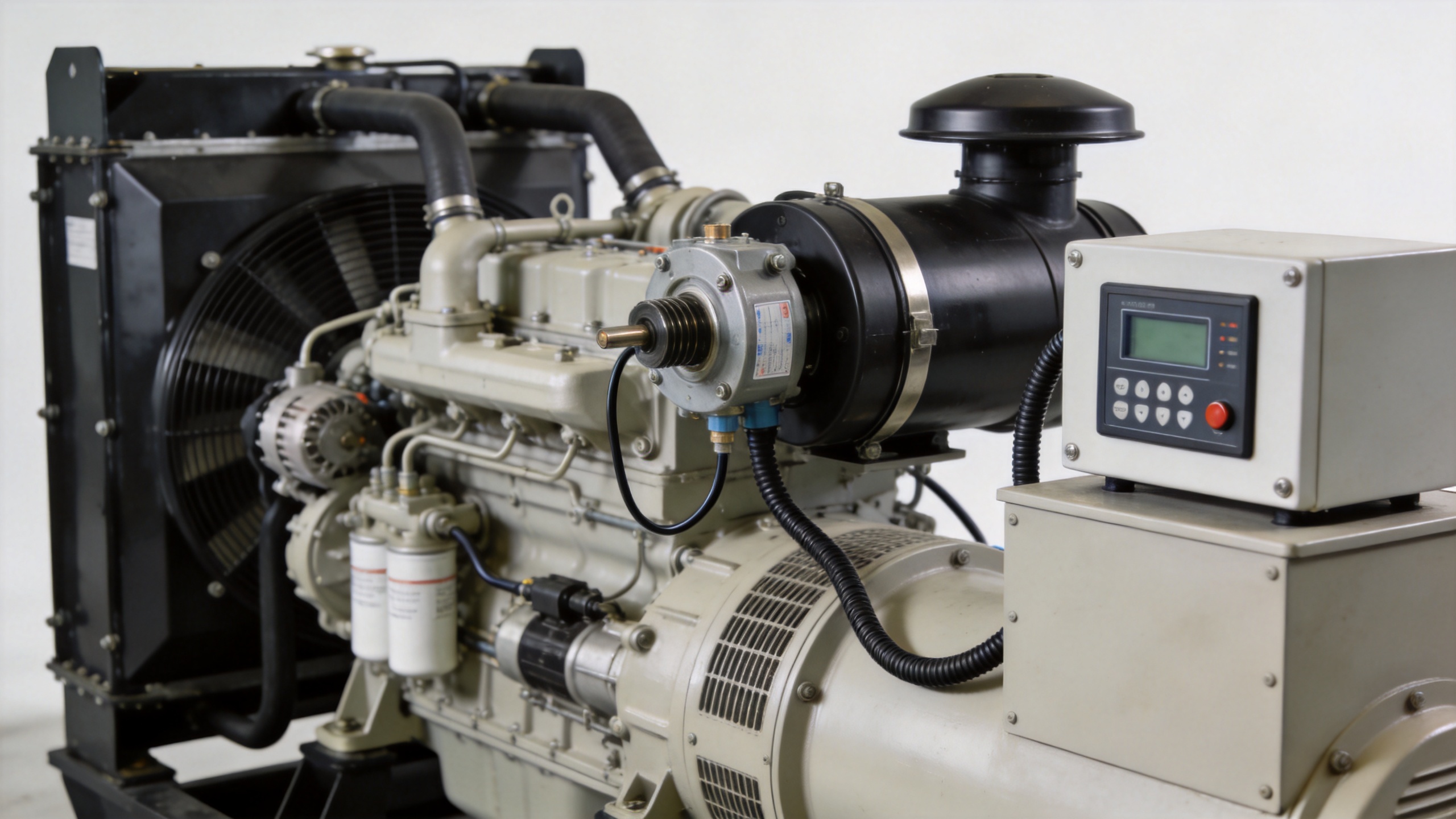
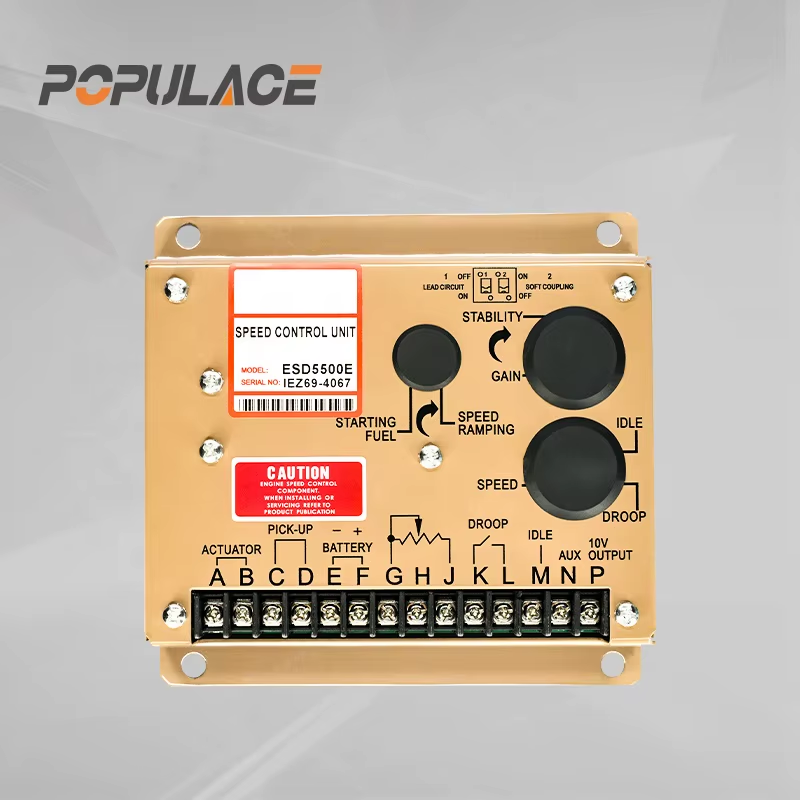
A retrofit quotation should confirm sensing, control, and actuator interfaces together.
Explain the Value Without Promising a Universal Result
Sell the upgrade around the customer’s operating and service needs, not around unsupported claims. An engine electronic governor provides an electronic control architecture that can be configured and commissioned for the application. It does not automatically correct worn fuel-system components, a binding linkage, poor sensing installation, or an unsuitable load profile.
| Buyer concern | Useful sales explanation | Evidence to request |
|---|---|---|
| Speed control consistency | Discuss how the matched controller, feedback, and actuator work together; avoid promising a result before commissioning. | Existing speed-control symptoms and load profile |
| Older mechanical system support | Position the retrofit as a serviceable control-system update when the original arrangement is difficult to source. | Photos, current part markings, and wiring information |
| Installation risk | Offer a pre-sale compatibility review and a commissioning checklist. | Engine data and installer capability |
| Fleet standardization | Propose approved configurations by engine/application group, not a single universal kit. | Fleet model list and annual demand |
If the application runs at a stable load profile, the selected settings may be straightforward to validate. If the load swings frequently, especially with cycling motor loads, verify that the proposed control approach and commissioning process address that duty rather than assuming every setting is interchangeable.
Turn Common Objections Into a Better Qualification Process
“Can I replace the mechanical governor with any electronic model?”
Not safely as a sales assumption. The customer needs a matched combination of controller, speed feedback, actuator or interface, and linkage arrangement. Reframe the question: “Which electronic governor retrofit matches this engine and this load profile?” That gives the buyer a credible next step rather than a vague yes.
“Why is the quotation not just one controller?”
Explain that the electronic governor is a control system. A controller alone may not supply the correct sensing, actuation, mounting, or installation information. Separating the quote into required components, optional accessories, and technical-review items makes the scope visible and reduces surprises.
“Will the installer be able to set it up?”
Ask who will commission the system. Provide wiring diagrams, connection labeling, the approved setup sequence, and escalation points. Buyers who have dealt with installation failures tend to treat documentation as a primary supplier-evaluation criterion, not an afterthought.
Build a Wholesale Program That Reduces Returns
A distributor program for electronic governor upgrades should reward complete information rather than fast guessing. Start with a small number of approved retrofit families and expand only after the sales and support teams can identify the recurring compatibility patterns.
- Create a quote gate: no final part recommendation until required engine, interface, feedback, and power details are recorded.
- Package documents with the order: include the configuration summary, wiring information, and commissioning responsibility.
- Define stock tiers: keep proven, repeat-demand configurations available; use technical review for unusual legacy sets.
- Track return reasons: distinguish shipping damage, installation issues, incomplete data, and actual product faults. This improves the next quotation.
- Set realistic commercial terms: discuss MOQ, lead time, packaging, and technical-support scope before a customer commits to a fleet program.
From a distributor perspective, the real cost driver is rarely the quoted unit price alone. It is the total cost of incorrect selection: return freight, technician time, project delay, and loss of confidence. A structured digital governor controller program helps sellers protect margin by making compatibility review a normal part of the order process.
A Practical Sales Workflow
- Receive the inquiry and identify whether it is a replacement, upgrade, or stocking request.
- Collect the qualification form, photos, markings, and operating details.
- Have a technical reviewer confirm the proposed electronic speed governor system scope.
- Issue a quotation that separates required items, options, documentation, and commissioning assumptions.
- Confirm the installer and the safe commissioning plan before shipment.
- Record the final configuration as an approved reference for future reorders.
The key mindset shift is simple: selling an electronic governor for diesel engine retrofits is not about claiming that one controller fits every old generator. It is about helping the buyer move from an aging mechanical arrangement to a reviewed, documented control-system configuration. That is the value that supports repeat wholesale business.






