
 EN
How to Identify Genuine Diesel Generator Parts vs. Counterfeit
A diesel generator that starts reliably can still become a costly problem after a poorly matched replacement part is fitted. Counterfeit or misrepresented diesel generator parts may look convincing in a listing photo, yet their dimensions, materials, electrical ratings, or traceability can be wrong for the job. The practical goal is not to assume that every aftermarket part is suspect. It is to build an evidence trail before money changes hands and before the part reaches the installation bench.
For wholesalers, service teams, and brand owners buying diesel generator parts, the most useful rule is simple: verify identity, compatibility, and supply-chain accountability separately. A neat carton or a low price cannot prove all three.
Start with the part identity, not the product photo
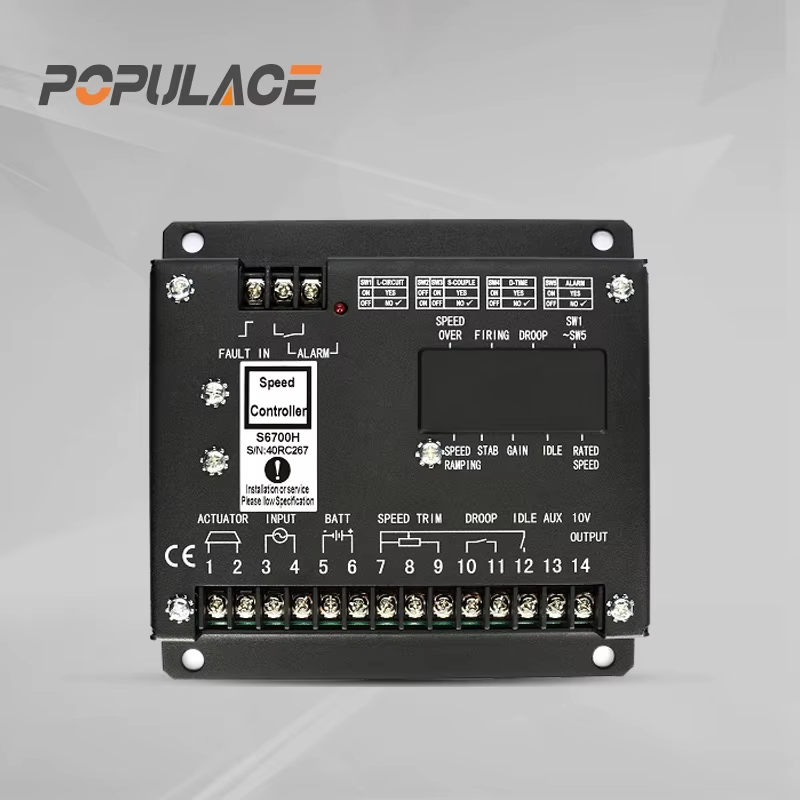
Ask the supplier for the full part number, revision or version marking, manufacturer name, and clear photos of every label before ordering. Compare these details with the engine, controller, or alternator documentation available for the specific set. A generic description such as “fits diesel generator” is not enough. Generator parts procurement is model- and variant-dependent: interface type, voltage-sensing input, mounting pattern, connector layout, and production serial range can all matter.
This is especially important when reviewing generator engine parts. A fuel-system or governor-related item may resemble another variant while having a different lever geometry, calibration, thread, or connector. Confirm the engine model and serial range, then request a dimensional drawing or a measured reference point if the replacement is safety- or uptime-critical.
Use packaging as a clue, not final proof
Packaging can reveal problems, but it should not be the only test. Check whether the outer carton, inner protection, labels, and part markings tell a consistent story. Misspelled specifications, blurred printing, inconsistent logos, missing batch information, or labels applied over unrelated labels deserve follow-up. So do cartons whose part number does not match the item inside.
At the same time, counterfeiters can copy a logo, hologram, QR code, or seal. Treat a serial number or QR code as a prompt to verify through the stated manufacturer or an authorized supplier channel. Traceability works when the code, batch, invoice, and supplier record agree; it is weak when a code is accepted without an independent confirmation.
Check compatibility before judging appearance
A genuine-looking item can still be the wrong item. For dg parts, create a short compatibility sheet before purchasing. Include the generator set model, engine model, alternator model where relevant, controller or AVR reference, existing part number, rated voltage or sensing range, connector type, mounting dimensions, and the application duty. A supplier who can review this sheet and state what they have confirmed gives you a more useful answer than one who only says “universal.”
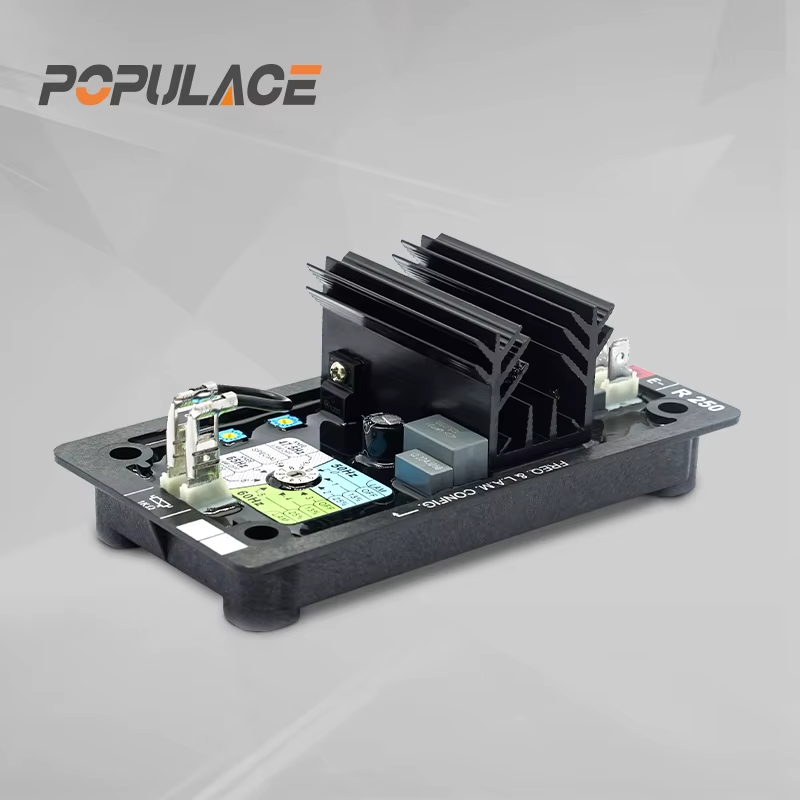
For control components, the label is only the beginning. An automatic voltage regulator must receive the sensing signal it was designed to read and must match the applicable excitation arrangement. Put plainly: if the alternator winding output and the regulator’s expected input do not align, the generator voltage can behave incorrectly even if the unit plugs in. Under rapidly changing loads, field conditions such as temperature rise can also expose behavior that a quick bench check does not show.
Inspect the part itself with a repeatable checklist
Once a sample arrives, inspect it before installation. The aim is not to perform a laboratory authentication; it is to catch inconsistencies early and preserve evidence if the shipment must be challenged.
- Markings: Check part number, batch or date code, voltage/current markings, terminals, arrows, and model references against the order and compatibility sheet.
- Fit and finish: Look for uneven machining, poorly formed threads, loose terminals, sharp burrs, mismatched fasteners, damaged seals, or inconsistent casting marks.
- Materials and weight: Compare obvious material choices, plating, insulation, and weight with a known acceptable sample where one is available. This is a comparison aid, not a standalone verdict.
- Electrical basics: For electronic alternator spare parts, have a qualified technician check connector positions, insulation condition, and the manufacturer-specified electrical values before energizing the set.
- Documentation: Keep receiving photos, carton labels, invoice details, inspection notes, and test results together under the purchase order.
Ask supplier questions that expose weak traceability
A credible supplier should be able to explain what it is supplying and what evidence it can provide. Ask whether the item is OEM, aftermarket, remanufactured, or an alternative replacement; these are different commercial categories and should not be blurred. Then ask for the manufacturer identity, batch or lot reference, applicable model list, warranty terms, and a clear return process for a verified mismatch.
The assumption that aftermarket necessarily means low quality often changes once buyers compare production controls, compatibility evidence, and inspection records. Conversely, an item marketed as “original” without a verifiable source should not receive extra trust simply because of the word on the carton. Whether OEM or aftermarket is suitable depends on the application, the evidence available, and the consequences of a failure.
Be cautious with price, urgency, and vague claims
Price is a screening signal, not proof. A quote far below other offers may reflect different scope, obsolete stock, a missing accessory, weaker materials, or a counterfeit risk. Ask for the exact part number and included components before treating it as a comparable quote. For planned maintenance, buying a small, traceable sample before a volume order is often less expensive than resolving a field failure later.
Urgent outages create the worst conditions for verification. If a site must return to service quickly, separate the decision into two parts: confirm the immediate compatibility requirements, then document the source and inspection evidence. A rushed purchase should not remove the need for records; it makes those records more important.
A practical receiving workflow for diesel genset spares
- Freeze the required model, serial range, part number, and electrical or mechanical specifications in the purchase record.
- Request pre-shipment photos of the actual labels, packaging, and item markings, not only catalog images.
- Match the shipment against the purchase record at receiving and photograph discrepancies before unpacking further.
- Quarantine questionable diesel genset spares rather than installing them to “see if they work.”
- Perform qualified functional checks appropriate to the component, then retain the results with the batch record.
- Record the supplier response and outcome so future buyers know which evidence was dependable.
ISO 8528 is a standards series used in generator-set rating and performance contexts, but a label referring to a standard is not by itself proof that an individual replacement part is genuine or suitable. Use standards references as one part of the technical review, alongside the exact compatibility and traceability evidence for the component in hand.
Quick verification matrix by component
Use the same evidence chain for each line item, but adjust the technical check to the component. For diesel generator parts, record the ordered reference and the received reference. For dg parts, photograph the connector face and mounting points. For diesel genset spares, keep the batch record with the receiving inspection. For generator engine parts, confirm engine model and serial-range applicability. For alternator spare parts, confirm sensing, terminal, and excitation requirements with a qualified technician.
| Purchase question | Evidence to retain |
|---|---|
| Are these diesel generator parts identified by a full reference? | Quote, label photo, and supplier confirmation |
| Do dg parts match the installed interface? | Connector and mounting comparison |
| Can diesel genset spares be traced to a batch? | Invoice, lot record, and receiving photos |
| Are generator engine parts compatible with the engine variant? | Model, serial range, and dimensional evidence |
| Do alternator spare parts match the electrical arrangement? | Approved technical check before energizing |
Repeat the check for a new source or revised item. Quarantine labels that conflict with the order, and retain the inspection record with the batch.
When to stop and escalate
Pause the installation when a serial or batch reference cannot be verified, the supplied part number differs from the ordered number, the connector or mounting arrangement conflicts with the set, or the supplier cannot clearly identify the product category and warranty route. For critical controls, fuel-system components, or parts that affect electrical protection, involve a qualified generator technician or the equipment manufacturer’s support channel before energizing the equipment.
The most experienced buyers tend to confirm the interface and model evidence before discussing price because it prevents more rework than any late-stage discount can recover. This approach also gives legitimate suppliers a fair way to demonstrate their reliability.
Conclusion: buy evidence, not just a part
Genuine diesel generator parts are identified through a consistent chain of evidence: correct identity, documented compatibility, credible traceability, controlled receiving inspection, and appropriate testing. Use packaging and price as early warning signs, but let part numbers, technical fit, supplier documentation, and qualified checks make the final decision. That method helps you reject counterfeits without assuming every non-OEM option is unacceptable.






