
 EN

How to Identify Genuine Deepsea Modules for Your Generator Business?
A controller that looks correct on a receiving bench can still create a costly problem later. For generator distributors, panel builders, and service businesses, a deepsea module is not simply an item to compare by faceplate, connector shape, or a low quote. It is a control component that must be traceable, suitable for the stated application, and supported by records you can rely on if a customer asks questions.
From a procurement standpoint, the safest approach is to separate two decisions: whether a unit is genuinely supplied through a verifiable route, and whether that unit is the right model for the generator application. A deep sea electronics module may power automatic start, mains-failure, or other control functions depending on its model and configuration. Functional compatibility is important, but it is not proof of origin.
Start with a sourcing route, not a product photo
When an authorized route is available in your market, begin there. The manufacturer’s public distributor information can help a buyer locate organizations that offer local sales or technical support. That does not mean every seller using a brand name is authorized, and it does not mean a distributor listing proves that every unit in a shipment is genuine. It gives your team a sensible first route for asking the manufacturer or its recognized channel to confirm who can supply the required model.
Ask a prospective supplier for a formal quotation, legal business identity, model number, quantity, lead time, warranty terms, and the documentation they provide with the goods. Keep the response with the purchase record. If a supplier claims an authorization that matters to your decision, request that it be confirmed through the manufacturer or an official regional contact rather than treating a logo, marketplace badge, or screenshot as conclusive evidence.
Build a verification file before you place the order for a deepsea module
A repeatable file turns a one-time inspection into a business control. Create one record for each purchase order and batch. At minimum, record the supplier, invoice number, purchase date, model number, quantity, photos taken at receipt, label and serial information where present, and the person who checked the units. If serial data can be supplied to manufacturer support for validation, ask what information they need and preserve the response. Do not publish serial numbers unnecessarily; keep them in your controlled procurement file.
This matters especially when your customer needs a specific deepsea generator control module. Generator parts are specification-driven. A controller name alone may not establish the correct I/O, communication requirements, firmware expectations, or intended operating mode. Your file should therefore pair origin-verification evidence with the application details used for compatibility review.
Use a simple receiving checklist
- Match the purchase order model and quantity to the carton labels and the unit labels.
- Photograph outer packaging, seals, labels, accessories, manuals, and the module before installation.
- Check that documents are coherent: part numbers, supplier details, invoice references, and stated warranty terms should not conflict.
- Record serial or batch identifiers exactly as shown, then follow the manufacturer’s support process if validation is offered.
- Quarantine discrepancies instead of mixing questioned units into saleable stock.
For every deepsea module received, packaging and paperwork are useful signals, not standalone proof. Good-looking packaging can be copied, while damaged packaging can result from normal transport. The value of the checklist comes from comparing several independent records and escalating inconsistencies early.
Review labels carefully, but avoid appearance-only conclusions
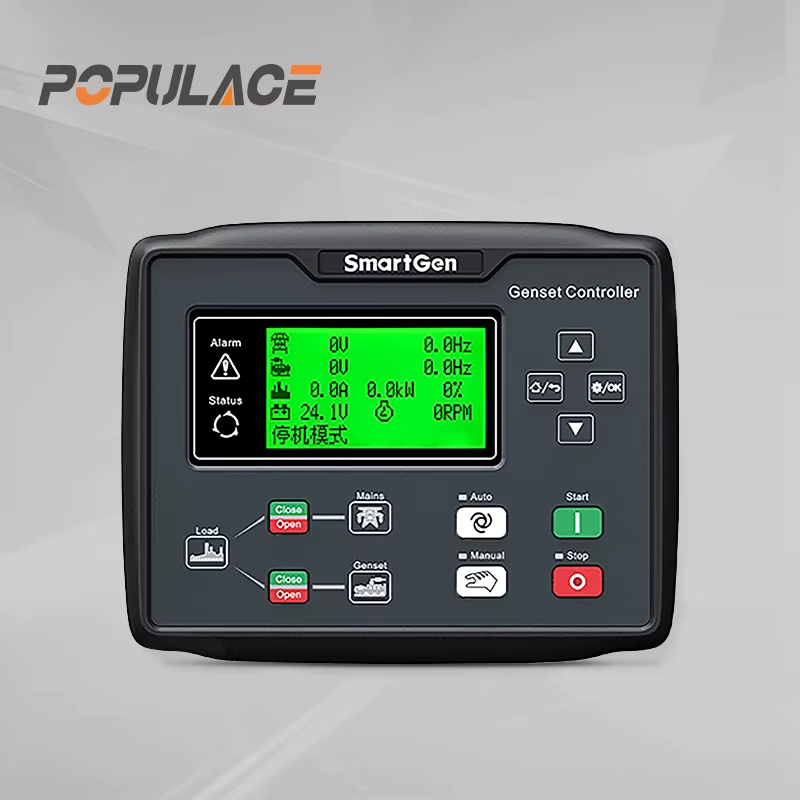
For each deepsea module, inspect the unit, label print quality, model designation, connectors, and included documents against the information provided for that exact model. Look for mismatched model names, altered labels, incomplete paperwork, or a serial record that cannot be reconciled with the shipment. These are reasons to pause and investigate, not a license to make a public accusation.
The same discipline applies to an older or commonly requested reference such as a deepsea 3110 module. Confirm the exact model designation and the application requirements with the relevant technical documentation or manufacturer support. Do not assume that a visually similar controller, a used unit, or a similarly numbered product will operate as the specified replacement.
Test the intended operating functions after safe installation
A controlled deepsea module functional test belongs in acceptance, but it must be designed and performed by qualified personnel under the applicable site procedures. Testing shows whether the unit behaves as expected in the intended system; it does not authenticate a unit by itself. For a generator controller, the test plan may include safe confirmation of display operation, input and output response, alarm handling, configuration access, and the specific start, stop, or mains-related functions required by the application.
Use the correct model documentation and a suitable test environment. Record the configuration version, test date, test operator, test setup, observed results, and unresolved exceptions. If a result differs from expectations, stop treating the module as ready stock until the cause is understood. In practice, this is where an experienced buyer revises the initial question: price is the starting point, but the actual cost depends on traceability, correct application matching, and the ability to resolve an issue after delivery.
Evaluate deepsea module price as a total-cost question
A very low deepsea module price can justify questions, but it does not prove that a product is non-genuine; equally, a high price does not prove authenticity. Compare quotations on like-for-like terms: exact model, quantity, shipping, taxes, warranty coverage, documentation, lead time, and the supplier’s willingness to support serial-data verification and post-sale questions.
For a wholesale business, the more useful comparison is risk-adjusted cost. A low initial purchase price can be outweighed by quarantine time, field troubleshooting, returns, reputational damage, and replacement labor if the source cannot be traced. If your priority is dependable resale, the most relevant factor to evaluate is the supplier’s documented chain of supply and response process when something does not match.
Set a clear escalation path for deepsea module exceptions
Give receiving staff a short deepsea module rule: if identifiers, documents, packaging, model details, or function checks conflict, do not relabel or resell the unit. Segregate it, preserve the evidence, contact the supplier in writing, and use the manufacturer’s support or distributor route where available for guidance. This protects customers and also gives an honest supplier a clear opportunity to resolve a shipping or documentation error.
For recurring purchases, review the file at batch level. Track which supplier, shipment, and model were accepted, questioned, returned, or technically clarified. Over time, this produces a practical supplier-qualification record instead of relying on memory or a single attractive sample.
Turn deepsea module verification into a repeatable buying standard
The goal is not to declare authenticity from one visual check. It is to build enough independent evidence to make a responsible stock decision: source through a verifiable route where possible, cross-check model and serial data with manufacturer support when offered, inspect packaging and documents, conduct safe application-relevant testing, and retain the traceability record.
That workflow gives your generator business a stronger basis for purchasing a deepsea module, responding to customer questions, and isolating uncertainty before it becomes a field failure. Where evidence remains incomplete, describe the unit accurately, seek clarification, and avoid making claims that your records cannot support.





