
 EN
How to Find a Reliable Diesel Generator Parts Supplier for Wholesale?
Sourcing diesel generator parts at the wholesale level is not simply a matter of finding the lowest price. After working through multiple procurement cycles across international markets, one consistent lesson stands out: the supplier you choose will define your downstream reliability more than the parts themselves. A generator that fails mid-operation doesn't just create a service call; it creates a liability and a lost customer. That pressure sits squarely on whoever made the sourcing decision.
The global diesel generator market was valued at USD 22.33 billion in 2025 and is projected to reach USD 38.09 billion by 2034, growing at a CAGR of approximately 5.97%. That growth trajectory means demand for replacement parts, dg parts, and maintenance components is rising steadily, and so is the number of suppliers trying to compete for that business. Knowing how to distinguish a reliable partner from a risk-prone one matters more than it did even a few years ago.
Why Supplier Reliability Is the Central Issue for Wholesale Buyers
Wholesale and distribution buyers operate differently from end-users who order one part at a time. You're placing volume orders: sometimes for stock you're redistributing, sometimes to meet a specific project requirement across a fleet. In either case, a batch inconsistency, a wrong specification, or a supplier that goes quiet mid-shipment creates problems you can't absorb quietly.
One of the more common traps in this business is assuming that a supplier with good samples will deliver consistent quality at volume. That isn't consistently the case. The more useful question to ask directly: does this supplier have the production controls in place to replicate a sample across 500 or 5,000 units? That's a different question than "is this part good?"
Core Criteria for Evaluating a Diesel Generator Parts Supplier
1. Product Specialization
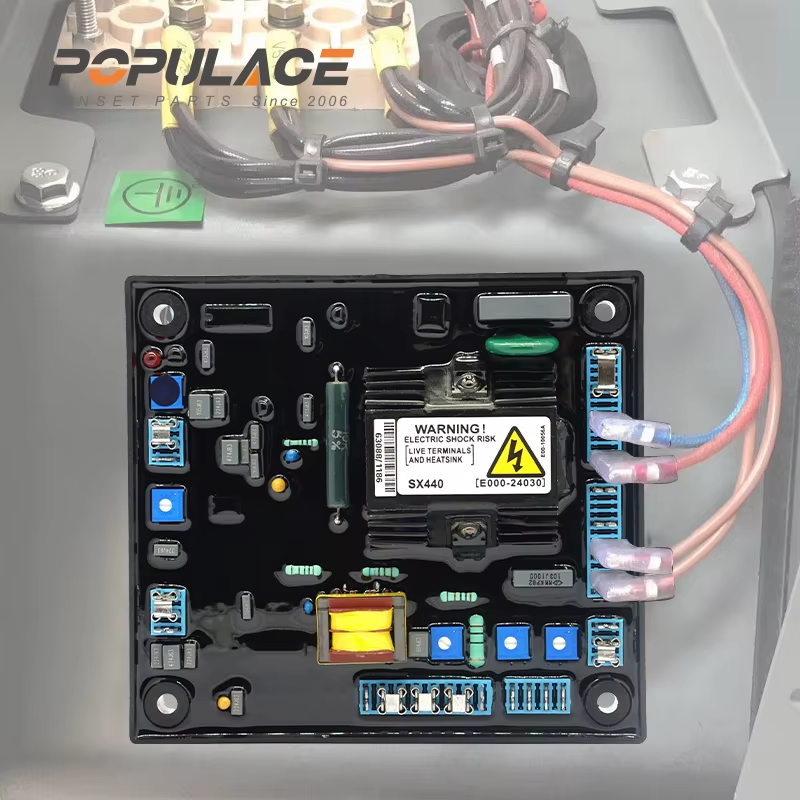
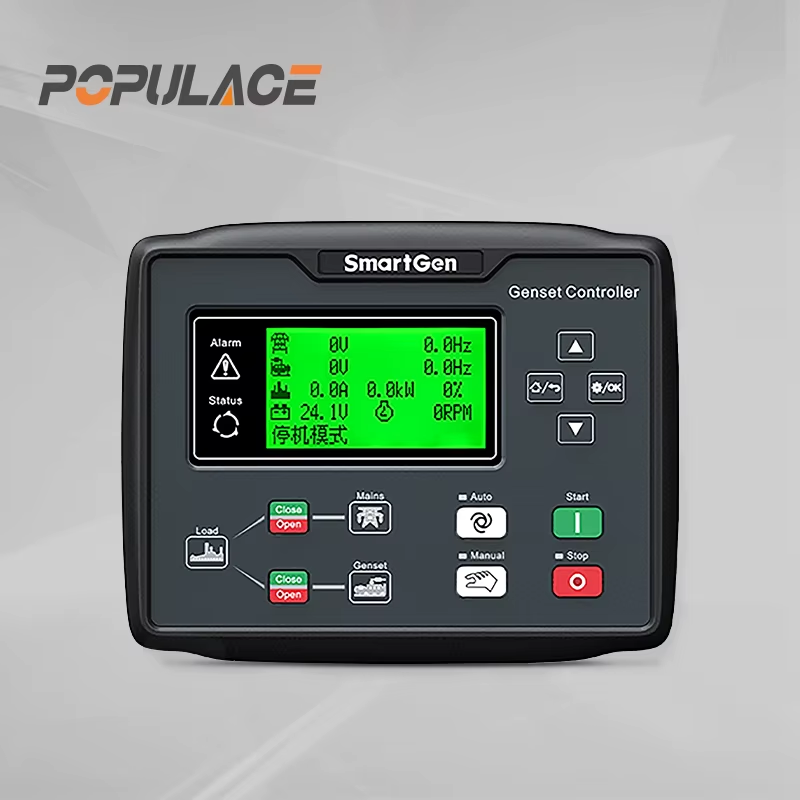
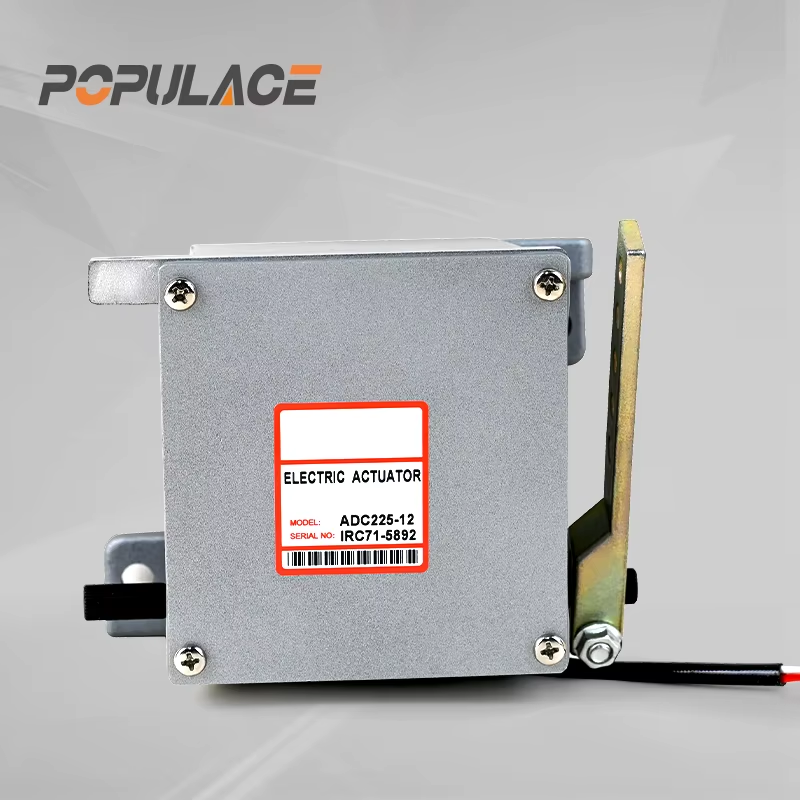
Suppliers who concentrate specifically on generator engine parts such as governors, AVRs, control panels, and alternator components tend to have deeper compatibility knowledge than general industrial parts distributors. Specialization means they've encountered the failure modes, the cross-compatibility issues, and the model-specific nuances that a broader supplier simply doesn't deal with regularly. Ask directly: what percentage of their product catalog falls within the generator and genset category?
2. Quality Documentation
For wholesale procurement, documentation isn't optional. A credible supplier of diesel genset spares should be able to provide material test reports (MTRs), ISO certification records, and product datasheets. This documentation should come as a standard part of the order process, not as an afterthought. If you have to push repeatedly to receive documentation, that's informative in itself. Customs compliance in international shipments also frequently requires this paperwork; receiving it only after problems arise is a pattern that repeats more than it should.
3. MOQ Flexibility and Pricing Structure
Minimum order quantities are a real constraint in wholesale sourcing, but they're also negotiable at the right supplier. A supplier genuinely focused on B2B wholesale buyers (rather than retail or one-off fulfillment) will typically accommodate both trial-order quantities for initial qualification and higher-volume pricing tiers once the relationship is established. Be specific when asking: what are the pricing breaks at 50 units, 200 units, and 1,000 units? The willingness to give a structured answer signals that they understand the wholesale buying model.
4. Technical Compatibility Support
Compatibility errors are among the most costly mistakes in alternator spare parts procurement. A governor specified for the wrong engine family, or an AVR with a slightly different voltage range, often isn't discovered until installation, by which point it's a warranty issue and a logistics problem simultaneously. Suppliers who offer pre-sales technical support, who can confirm compatibility across specific engine brands and generator models, materially reduce that risk. This support isn't a freebie; it's a value signal about how seriously they understand their product range.
5. Supplier Communication Reliability
Communication gaps are one of the most common sourcing failures in the international generator parts market, yet they rarely show up on supplier scorecards until it's too late. Response time matters; so does the ability to escalate a technical question quickly. When evaluating a new supplier, track the speed and completeness of responses during the inquiry phase. That period reflects their most attentive behavior, not their average. If communication is slow or unclear before you've committed to an order, it will be worse after.
6. Supplier Qualification Documents
Reliable wholesale suppliers maintain standard qualification materials: business registration records, export licenses, banking references, quality inspection records, and, where applicable, Alibaba Gold Supplier verification or equivalent B2B platform credentials. These materials exist for a reason: they protect both parties and make due diligence a straightforward process rather than an adversarial negotiation.
Where to Find Wholesale Diesel Generator Parts Suppliers
B2B sourcing platforms like Alibaba remain one of the most practical starting points for identifying wholesale diesel generator parts suppliers, particularly for buyers in Asia, Europe, and North America. Verified supplier profiles, transaction records, and buyer reviews provide a useful baseline before direct engagement. Trade shows (both regional and industry-specific) are also underused by buyers who have shifted entirely to online sourcing; they allow you to compare suppliers in person and establish direct contacts that persist beyond the platform.
Manufacturer-direct sourcing, where feasible, eliminates trading company layers and their associated cost premiums. Suppliers who manufacture and export directly from production facilities in China's coastal export hubs typically offer tighter pricing, better production visibility, and faster resolution when specification questions arise.
Red Flags to Avoid
- Reluctance to provide product datasheets, MTRs, or ISO certification documents on request
- Inability to confirm compatibility with specific engine brands, models, or part numbers
- Pricing that seems unusually low without a clear explanation (often indicates substituted materials or undisclosed aftermarket substitution)
- No defined quality inspection process or batch consistency policy
- Unstated MOQ changes after initial inquiry, which often signals inventory or production instability
- Single point-of-contact with no backup when that contact becomes unavailable
The Case for Working with Direct Manufacturers
For wholesale and brand buyers, working directly with a manufacturer rather than through a trading intermediary offers a meaningful set of practical advantages. Beyond the pricing difference (which tends to compound over time), direct manufacturer relationships give you visibility into production timelines, the ability to request batch certificates at origin, and a cleaner path to resolution if quality issues arise. Suppliers that can demonstrate this structure, with factory-direct export capability and documented production controls, represent lower procurement risk over the long term.
This is especially relevant for specialized component categories like governors, AVRs, and generator engine parts, where the technical specificity of the parts makes compatibility and sourcing continuity more important than for generic consumables.
Building a Sustainable Wholesale Sourcing Relationship
The single-versus-multiple-supplier question deserves more strategic consideration than it usually gets. Relying on one source for critical diesel generator parts keeps procurement simpler, but it also creates a single point of failure. Buyers who have developed at least one backup-qualified supplier for key part categories (particularly AVRs, governors, and control modules) report significantly fewer emergency procurement situations when a primary supplier faces production delays or capacity constraints.
At the same time, spreading procurement across too many suppliers increases administrative overhead and makes quality consistency harder to maintain. Finding the right balance, typically two to three qualified suppliers per category, is a procurement maturity milestone that distinguishes wholesale buyers who operate efficiently from those who manage crises reactively.
Conclusion
Finding a reliable wholesale supplier for diesel generator parts is a qualification process, not a price comparison exercise. The suppliers worth committing to are those who demonstrate technical depth in their product category, can provide documentation without friction, communicate clearly during the evaluation phase, and can scale from trial orders to volume supply without quality drift.
In a market that continues to grow, where generator uptime expectations are rising across industries, the quality of your supply chain for genset spares directly shapes your ability to deliver for your own customers. That's worth the additional diligence at the selection stage.






