
 EN
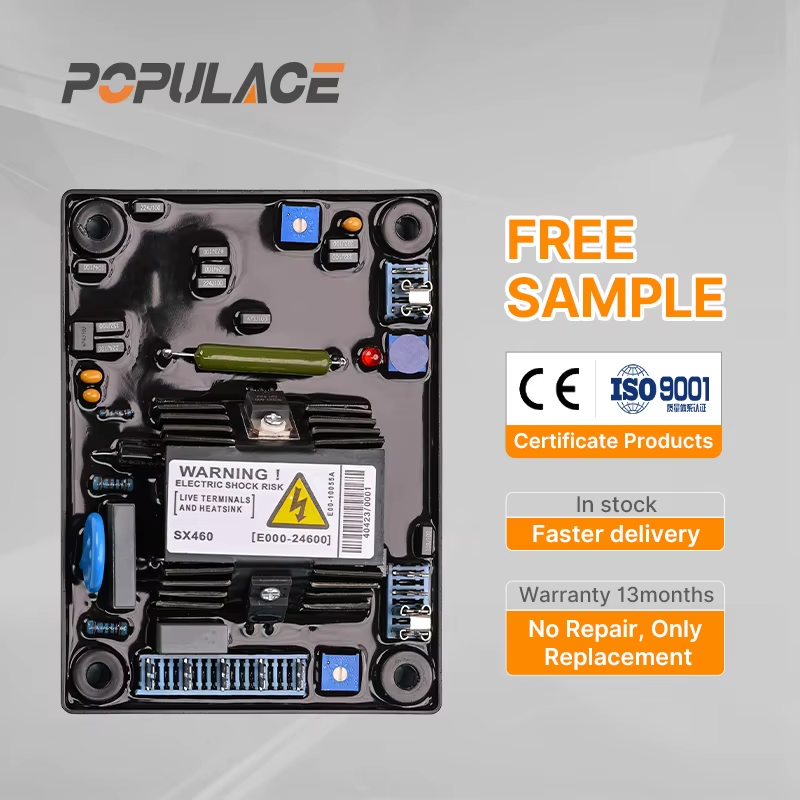
How to Find a Reliable Auto Voltage Regulator for Generator Supplier?
Finding a reliable supplier for an auto voltage regulator for generator applications is not simply a matter of matching a part number online. After working through generator parts procurement across multiple engine configurations, one pattern becomes clear: the supplier matters as much as the specification itself. Two AVR modules with nearly identical datasheets can perform very differently in the field — and the difference often traces back to the supplier's quality control, documentation practices, and willingness to communicate before a problem surfaces.
This guide covers the practical criteria a wholesale buyer or distributor should use when qualifying an automatic voltage regulator generator supplier, whether placing a first trial order or consolidating an ongoing supply relationship.
Why AVR Sourcing Requires More Attention Than It Usually Gets
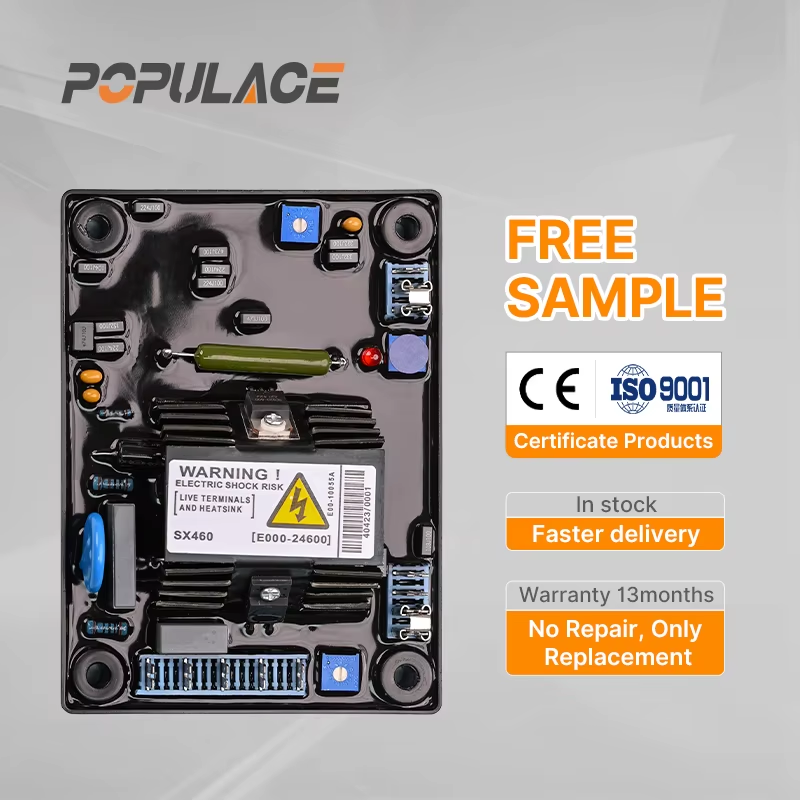
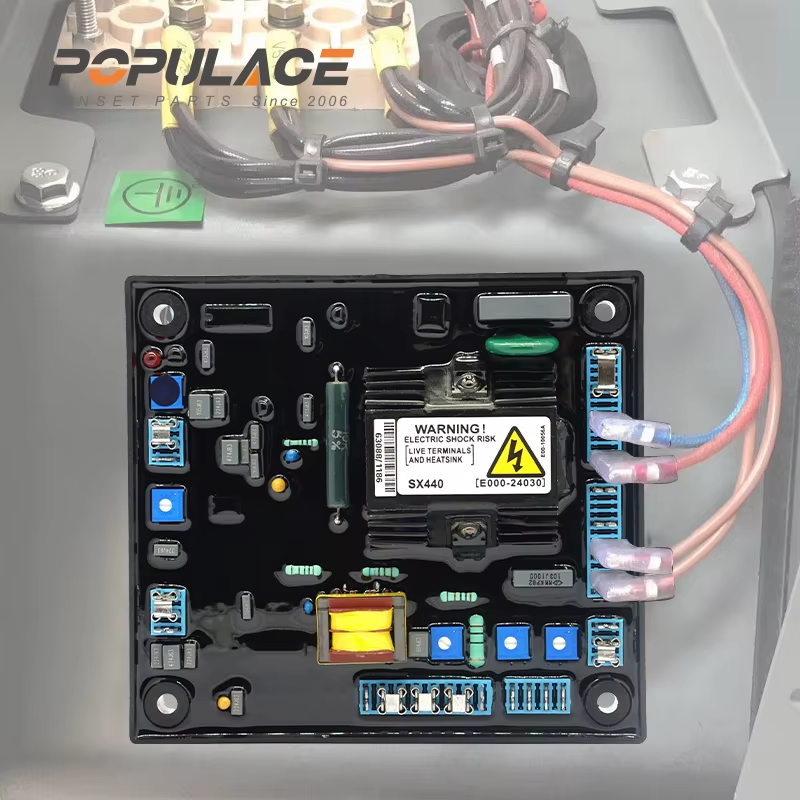
An auto voltage regulator for generator systems is a solid-state electronic device that monitors output voltage and adjusts excitation current to the alternator field winding, maintaining voltage stability under varying loads. A quality unit holds regulation accuracy within ±1–2% of nominal output under rated conditions. That precision matters when the generator powers sensitive electronic equipment or supports operations where voltage swings cause real damage.
The sourcing challenge is that AVRs are compact, relatively low-cost components — which means buyers sometimes treat them as commodity purchases. In practice, compatibility requirements are tightly specific: sensing voltage range, excitation output capacity, interface type, and form factor all need to match the alternator. Order the wrong unit and you will not discover the mismatch until installation. That scenario is the most common complaint in generator parts procurement, and it is typically a supplier accountability issue rather than a product design problem.
Key Criteria for Evaluating an Auto Voltage Regulator for Generator Supplier
1. Compatibility Verification Capability
A reliable supplier should be able to confirm compatibility before the order is placed. Ask whether the supplier offers pre-shipment compatibility verification against your alternator specifications. Reliable suppliers maintain a structured catalog mapping AVR models to specific generator and alternator brands, series, and output configurations. If a supplier cannot answer specific compatibility questions about sensing voltage range, excitation output current, or terminal interface type, that gap is a meaningful warning signal.
For buyers managing mixed-brand fleets, this matters more. A supplier capable of providing the right auto avr for generator systems across multiple engine families reduces the number of separate vendor relationships needed to cover your installed base.
2. Product Documentation Quality
Technical documentation is one of the clearest proxy signals for overall supplier reliability. A supplier who provides complete wiring diagrams, installation instructions, voltage sensing range specifications, and compatibility charts with each order demonstrates operational maturity. It also gives your technical team what they need to install the part correctly the first time.
When evaluating suppliers, request a sample datasheet for the specific AVR model you need and check whether it includes: input sensing voltage range, excitation output current rating, regulation accuracy tolerance, operating temperature range, and applicable generator/alternator model list. Suppliers who cannot or will not provide this documentation pre-order represent a real procurement risk.
3. Voltage Regulation Accuracy and Specification Transparency
For a generator auto voltage stabilizer application, the difference between ±1% and ±5% regulation accuracy determines whether the unit is suitable for sensitive load protection or only general-purpose use. A supplier worth working with should be able to provide the regulation accuracy figure, sensing voltage range, and under/over voltage protection specifications without requiring you to push for them.
Some suppliers also offer AVR models with soft-start voltage ramp capability, reducing initial voltage overshoot on generator startup. The key point is that the supplier should be able to address the technical question rather than deflect it with a generic datasheet.
4. Certification and Compliance Verification
Buyers importing products into Asia, Europe, or North America need certification compliance as a practical floor, not an optional bonus. CE marking and RoHS compliance are minimum expectations for most European markets. Before committing to volume, confirm that the supplier can provide originals or copies of relevant compliance documentation for the specific model being ordered — not just for the catalog generally. Some suppliers carry a mix of compliant and non-compliant models; the documentation should match the specific part number.
5. Batch Quality Consistency
A supplier may pass an initial trial order with strong results and then deliver inconsistent quality on follow-up batches. Ask directly what the supplier's quality control process looks like before shipment — specifically for electronic components. For distributors and resellers sourcing an auto voltage regulator module at volume, batch quality failures mid-cycle carry real downstream cost: returned parts, generator downtime, and damaged customer relationships.
6. Communication Responsiveness and Technical Support
Supplier communication gaps are not visible until something goes wrong. During the qualification process, send a specific technical inquiry — about sensing voltage range compatibility with a named alternator, for example — and observe both response time and technical depth. A supplier with genuine product knowledge will give a specific answer. One re-selling without deep product knowledge will return a catalog page.
7. Pricing Transparency for Wholesale Buyers
Wholesale pricing for an auto voltage regulator for generator supply relationship should be clearly structured with volume tiers visible upfront. Hidden handling fees, opaque packaging charges, or currency risk built into the final invoice are flags that suggest the supplier is not structured for long-term B2B relationships. Request a written pricing structure covering unit price at your typical order quantity, packaging and export documentation fees, and lead time commitments before placing a first order.
A Practical Qualification Checklist
- Can the supplier confirm compatibility with your specific alternator model before order placement?
- Does the supplier provide complete technical documentation: wiring diagrams, sensing range specifications, compatibility charts?
- Can the supplier quote voltage regulation accuracy tolerance for the specific AVR model?
- Does the supplier provide CE/RoHS compliance documentation for the specific part number being ordered?
- What is the supplier's pre-shipment quality control process for electronic components?
- How quickly and specifically does the supplier respond to technical inquiries?
- Is wholesale pricing structured and transparent for volume orders?
- Can the supplier accommodate trial orders before full-volume commitment?
Where to Find Qualified Suppliers
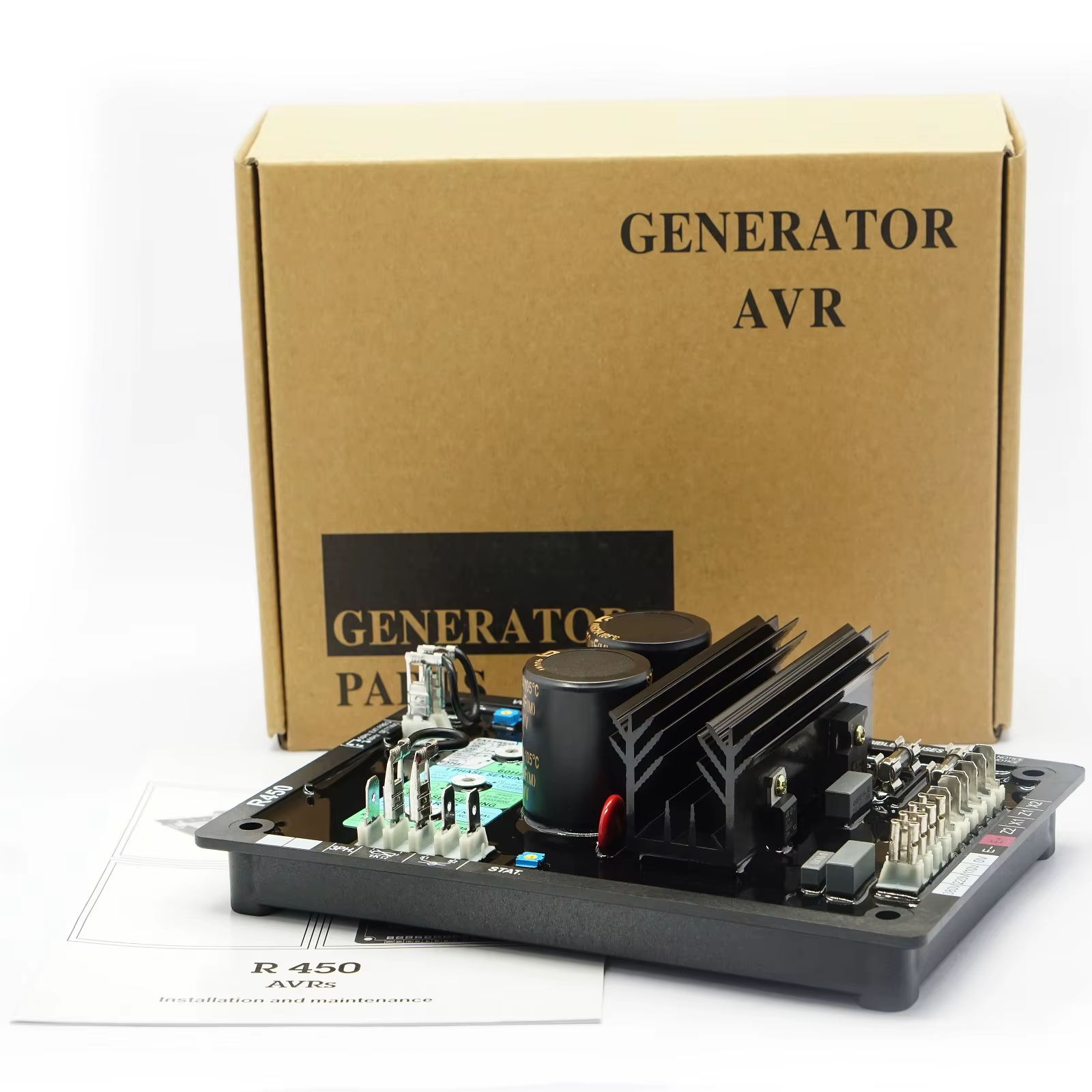
Verified B2B platforms like Alibaba give international wholesale buyers a reasonable starting point for supplier discovery. Suppliers with verified manufacturer status, product listings showing actual specifications, and documented international transaction history offer lower initial risk compared to unverified listings. That said, platform verification confirms the supplier exists and has done some international trade — not that their automatic voltage regulator generator products will meet your compatibility and quality requirements.
Manufacturers who focus specifically on generator control components — rather than broad industrial equipment suppliers carrying AVRs among thousands of other parts — tend to have more reliable technical knowledge and compatibility coverage. A focused supplier can address spec-level questions that a general distributor cannot.
Final Thoughts
Finding a reliable auto voltage regulator for generator supplier comes down to matching technical competence with procurement accountability. If a supplier passes the eight qualification points above — compatibility knowledge, documentation quality, spec transparency, certification compliance, batch consistency, communication responsiveness, pricing clarity, and trial order flexibility — you have a supplier worth building a long-term supply relationship with.
Suppliers who cannot answer your technical questions or who deflect documentation requests pre-order are sending you a signal. In generator parts procurement, that signal tends to be accurate.






