
 EN

How to Configure a Deep Sea Controller for Automatic Mains Failure
Power outages can cause costly downtime for industrial facilities, commercial buildings, data centers, and critical infrastructure. To ensure continuous power supply, many standby generator systems rely on a Deep Sea Controller to automatically detect utility power failures and start backup generators. A properly configured deep sea electronics controller can monitor mains voltage, control engine starting and stopping, manage load transfer, and protect the generator during operation. Whether you are commissioning a new standby power system or upgrading an existing installation, understanding how to configure a DSE generator controller for Automatic Mains Failure (AMF) is essential. This guide explains the key settings, testing procedures, and best practices for configuring a generator control module DSE to deliver reliable backup power performance.
Understanding Automatic Mains Failure in a Deep Sea Controller
Automatic Mains Failure (AMF) is one of the most important functions provided by a Deep Sea Controller. When utility power falls outside preset voltage or frequency limits, the deep sea electronics controller automatically initiates a start sequence for the generator. Once the generator reaches stable operating conditions, the DSE generator controller signals the transfer switch to move the load from utility power to generator power.
When utility power returns and remains stable for a defined period, the generator control module DSE transfers the load back to the mains supply and shuts down the generator after a cooling period. This process allows facilities to maintain power without manual intervention. Modern Deep Sea Controller products support a wide range of AMF applications, from simple standby generators to advanced power management systems.
Choosing the Right DSE Generator Controller for AMF Applications
Before configuration begins, it is important to select the appropriate DSE generator controller for the installation. Different Deep Sea Controller models provide different levels of functionality. For example, the DSE4520 MKII is designed for standard AMF applications, while the deep sea 8610 controller offers advanced synchronization and load-sharing capabilities.
When selecting a generator control module DSE, consider factors such as generator size, transfer switch requirements, communication protocols, remote monitoring needs, and future expansion plans. Many facilities choose a deep sea electronics controller because of its reliability, user-friendly configuration software, and extensive protection features. Matching the correct Deep Sea Controller to the application helps avoid costly commissioning issues later.
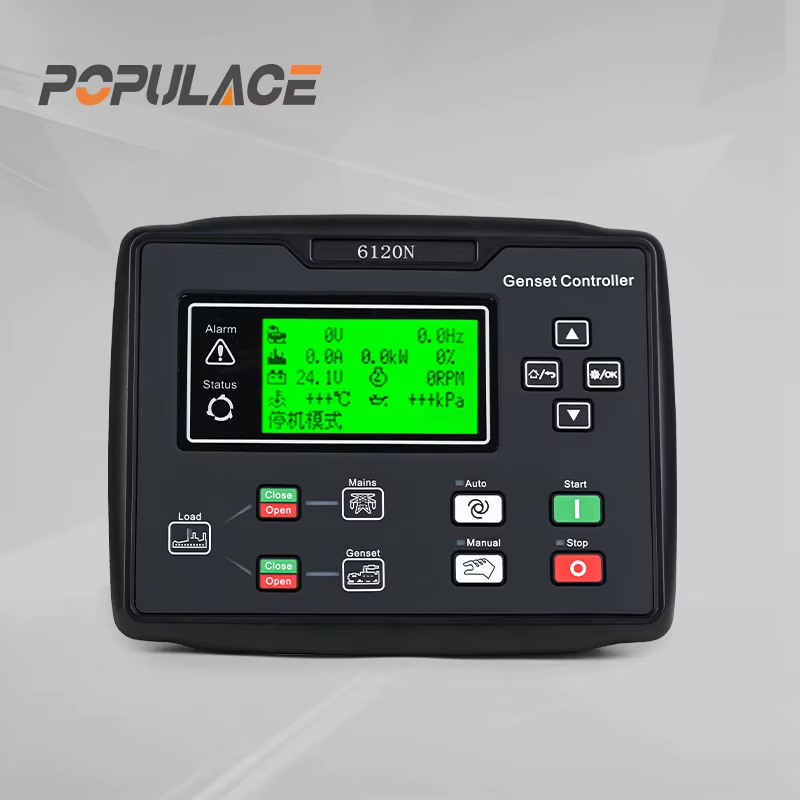
Configuring a Deep Sea Electronics Controller for AMF Operation
The first step in configuring a deep sea electronics controller is accessing the module settings through the front panel or DSE Configuration Suite software. Once connected, verify that the DSE generator controller is configured for AMF operation rather than remote-start-only functionality.
Next, configure mains voltage sensing parameters. The generator control module DSE must accurately monitor utility voltage and frequency conditions to determine when a mains failure has occurred. Typical settings include under-voltage, over-voltage, under-frequency, and over-frequency thresholds. These values should match local electrical standards and site requirements.
The Deep Sea Controller should also be programmed with appropriate timing delays. Mains failure delays prevent unnecessary generator starts caused by brief voltage fluctuations. Warm-up delays allow the generator to stabilize before accepting load, while return delays ensure utility power has fully recovered before transferring the load back to the grid. Proper timing settings significantly improve the performance of the deep sea electronics controller during real-world power disturbances.
Configuring ATS Outputs and Protection Functions
A critical function of every DSE generator controller is controlling the Automatic Transfer Switch (ATS). The generator control module DSE uses configurable outputs to command mains and generator contactors during load transfer operations. Correct output assignment is essential for safe and reliable switching.
In addition to transfer control, a Deep Sea Controller provides extensive protection functions. Common protections include low oil pressure, high engine temperature, overspeed, underspeed, overcurrent, and battery voltage monitoring. These protections help the deep sea electronics controller prevent equipment damage and reduce maintenance costs.
When configuring a DSE generator controller, it is also recommended to test all alarms and shutdown functions individually. A fully tested generator control module DSE ensures that operators receive accurate fault information during emergency situations.
Advanced Applications with the Deep Sea 8610 Controller
For facilities requiring generator synchronization, load sharing, or utility paralleling, the deep sea 8610 controller is one of the most advanced solutions available. Unlike standard AMF modules, the deep sea 8610 controller supports complex power management functions that allow multiple generators to operate together efficiently.
The deep sea 8610 controller includes advanced protection features such as vector shift detection and Rate of Change of Frequency (ROCOF) monitoring. These functions help detect grid disturbances and maintain system stability. Because the deep sea 8610 controller is often used in mission-critical environments, commissioning should be performed by qualified engineers familiar with synchronization and protection systems.
Organizations seeking scalable standby power solutions frequently choose the deep sea 8610 controller because it combines generator control, synchronization, protection, and communication capabilities within a single platform. This makes the deep sea 8610 controller an ideal choice for data centers, hospitals, manufacturing facilities, and utility-connected power plants.
Testing and Maintaining Your Generator Control Module DSE
After configuration is complete, every generator control module DSE should undergo a full operational test. Place the Deep Sea Controller in Auto mode and simulate a mains power failure. Observe whether the DSE generator controller starts the generator, transfers the load, and restores normal operation according to the configured settings.
Regular maintenance is equally important. Periodic testing helps verify that the deep sea electronics controller continues to function correctly and that batteries, fuel systems, and transfer equipment remain ready for emergency operation. Routine inspections can also identify potential issues before they lead to system failures.
Many facilities schedule monthly or quarterly tests of their generator control module DSE to ensure compliance with operational and regulatory requirements. Consistent testing maximizes the reliability of the Deep Sea Controller and helps maintain uninterrupted power protection.
Conclusion
A properly configured Deep Sea Controller plays a critical role in ensuring reliable backup power during utility outages. By selecting the right deep sea electronics controller, correctly configuring voltage thresholds and timing parameters, testing ATS functions, and performing regular maintenance, operators can maximize system reliability and minimize downtime.
Whether you are installing a standard DSE generator controller for standby power or deploying a sophisticated deep sea 8610 controller for synchronization and load-sharing applications, careful configuration is essential. Investing in a high-quality generator control module DSE and following proven commissioning practices will help ensure dependable power protection for years to come.





