
 EN
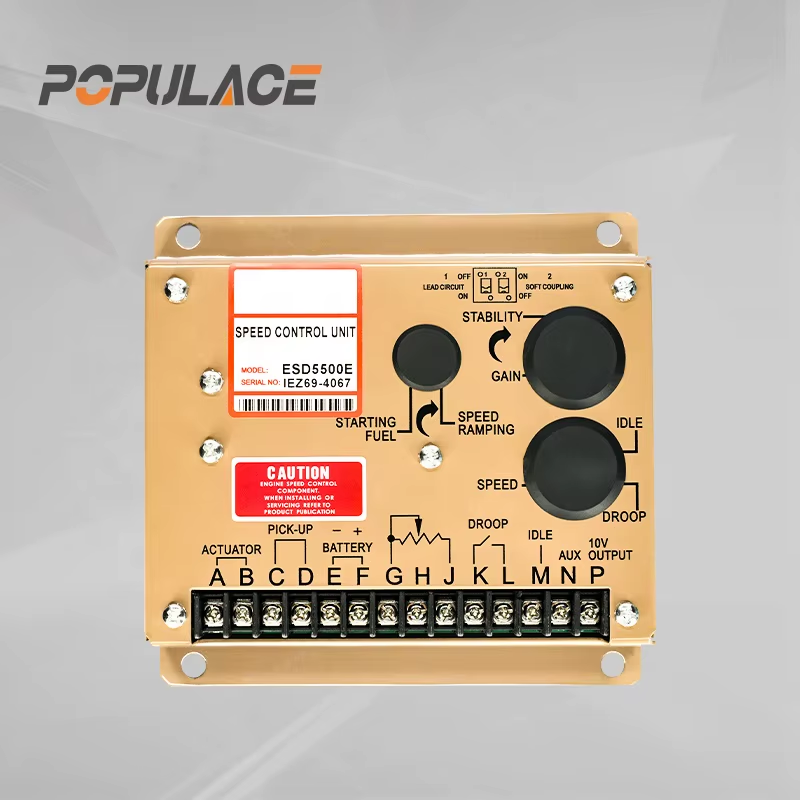
How to Compare ESD5500E Speed Control Unit Price from Different Vendors?
When a generator is down, the lowest quotation can look like the quickest answer. In practice, comparing an ESD5500E speed control unit price takes more than putting four numbers in a spreadsheet. A controller that appears inexpensive may arrive with unclear condition, a mismatched connector arrangement, no test record, or delivery terms that create a larger cost once the site is waiting. For maintenance buyers, resellers, and generator-service teams, the useful comparison is the delivered, supportable unit—not the headline unit price.
As a technical consultant focused on generator control components, I start with application compatibility: engine model, actuator and magnetic pickup arrangement, battery system, load profile, and the evidence needed for acceptance. That approach does not assume that one supply channel is automatically better. It helps a buyer decide which quote carries the lowest avoidable risk.
Why ESD5500E prices can vary so widely
An esd5500e price may describe a new unit, surplus stock, an open-box part, a refurbished controller, or an aftermarket-compatible replacement. Those are not equivalent purchasing categories. Listings can also differ in whether they include the controller only, wiring information, setup support, inspection evidence, tax, freight, or lead-time commitments. Before judging a low speed control unit cost, ask the vendor to state exactly what is included and what condition terminology means in its own quality process.
Technical search material commonly describes ESD5500E-series applications with 12 or 24 VDC supply options and a frequency range associated with the speed-sensing circuit. Treat such details as verification prompts, not as a substitute for the correct data sheet for your engine. A model designation alone cannot confirm that the quoted unit will suit the existing harness, actuator, pickup signal, adjustment requirements, or operating mode.
Use a like-for-like quote scope
Send the same request-for-quotation sheet to every vendor. It should identify the required part marking, equipment application, supply voltage, controller operating requirements, quantity, requested ship date, destination, and any packaging or traceability needs. Then require every reply to separate unit price, inspection or test charges, documentation, packaging, freight, duties or taxes where applicable, and payment-related fees.
| Quote item | What to request | Why it changes total cost |
|---|---|---|
| Part identity | Photos of label and terminals, revision or lot information | Reduces the chance of comparing different variants under one name |
| Condition | New, surplus, open-box, refurbished, or replacement status in writing | Condition affects expected inspection and warranty exposure |
| Scope | Controller only versus tested unit, accessories, or support | A lower quote may omit work your team must perform |
| Delivery | Stock location, dispatch date, Incoterm, and transit method | Urgency premiums and site downtime can outweigh a unit saving |
| Warranty | Duration, remedy, exclusions, and return procedure | Defines who carries the cost if acceptance testing fails |
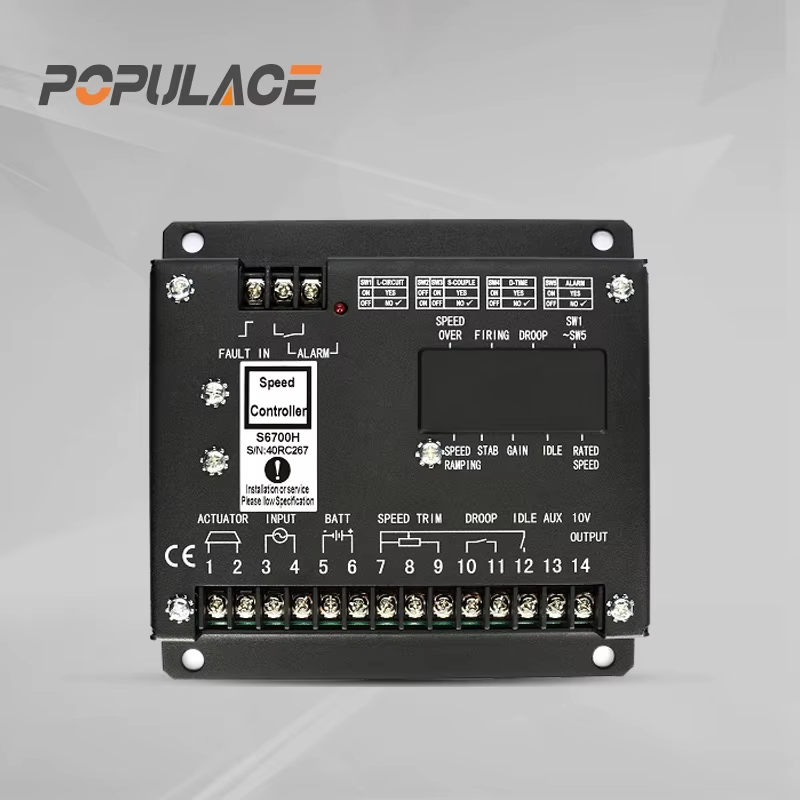
Confirm compatibility before comparing the governor ESD5500E price
For a governor esd5500e price comparison, ask a technical question before a commercial one: “What evidence shows this unit fits our existing control loop?” Give vendors the engine and generator details, actuator information, pickup arrangement, supply voltage, current controller label photos, and symptoms if the request is a replacement after a fault. Request a written response that identifies any assumptions.
Useful checks include the speed-sensor signal during cranking, actuator wiring, battery condition, grounding, and the intended isochronous, droop, or variable-speed setup. Search results for the series refer to these operating modes, which is one reason a generic “works for diesel generator” statement is not enough. If a vendor cannot explain which details it needs, price comparison is premature.
Compare quality control and lot consistency
One unit can pass a bench check while a mixed lot creates inconsistent field behavior. This matters when you are buying spares for several sites or stocking units for service work. Ask each vendor how it identifies incoming lots, segregates condition grades, performs functional testing, and records final inspection. The answer need not be lengthy; a clear process and sample record are more useful than a broad quality claim.
- Ask whether label photos and terminal photos can be supplied for the actual lot.
- Request the test criteria, test date, and pass/fail record where testing is offered.
- Confirm ESD-safe packaging, moisture protection, and shipment inspection for sensitive electronics.
- For repeat orders, ask whether the supplier can maintain the same source and notify you before a lot change.
These controls may add to the quoted speed control unit cost, but they can reduce troubleshooting time, return freight, and unplanned substitutions. For multi-unit orders, compare a sample acceptance plan rather than relying only on a catalog image.
Put documentation and warranty terms into the comparison table
Documentation is part of the deliverable. At minimum, ask for an invoice that identifies the supplied item, a packing list, a condition statement, and applicable test or inspection evidence. Where your maintenance procedure requires it, request the wiring or adjustment documentation used for the compatibility review. Do not infer OEM affiliation, authorization, or warranty coverage from a familiar model number; ask the vendor to state its relationship to the goods and the warranty it actually provides.
A practical warranty comparison includes the claim window, the evidence required for a claim, whether the remedy is repair, replacement, or credit, who pays freight, and the response time. A longer warranty that requires overseas returns may have less operational value than a shorter but well-defined local remedy. Whether an OEM or aftermarket route suits your situation depends on application criticality, documentation needs, and the supplier’s ability to support acceptance—not on a universal rule.
Calculate landed and operational cost
Build a total-cost line for every quote: quoted unit amount + inspection or test + packaging + freight + duty/tax exposure + payment charges + expected internal receiving effort. Add a separate operational-risk note for delivery certainty, return complexity, and the consequences of a failed installation. This keeps an esd5500e speed control unit price from becoming the only decision criterion.
For example, a stocked option with a documented dispatch commitment can be preferable when a generator outage is costly. Conversely, a lower unit price can be appropriate for planned inventory if the buyer has time for incoming checks and a defined acceptance test. Record these assumptions beside the quote so purchasing, maintenance, and finance are evaluating the same trade-off.
Questions to send vendors before you buy
- Is this unit new, surplus, open-box, refurbished, or a compatible replacement?
- Can you provide photos of the actual label, terminals, and packaging?
- What application details did you use to confirm compatibility?
- What functional or incoming inspection is included, and can you provide the record?
- Can you confirm lot consistency for a multi-unit order?
- Which documents ship with the order?
- What are the warranty remedy, exclusions, and return-freight responsibilities?
- What is the confirmed dispatch date and delivered-cost breakdown to our destination?
How to make an ESD5500E for sale decision with confidence
When reviewing an esd5500e for sale listing, short-list vendors that answer the same technical and commercial questions clearly. Score each response for compatibility evidence, quote completeness, quality controls, documentation, warranty practicality, delivery certainty, and landed cost. If your priority is uptime, the most relevant factor is a supportable unit that can pass site acceptance with minimal delay. If your priority is planned inventory, traceable lot control and repeatability may deserve greater weight.
A suitable purchase is therefore not automatically the lowest listing. It is the offer whose scope, fit, evidence, and delivery obligations are visible enough for your team to manage. Compare those items consistently, retain the vendor responses with the purchase record, and use the same checklist on future orders.






