
 EN
How to Choose the Right Deep Sea Engine Controller for Your Genset?
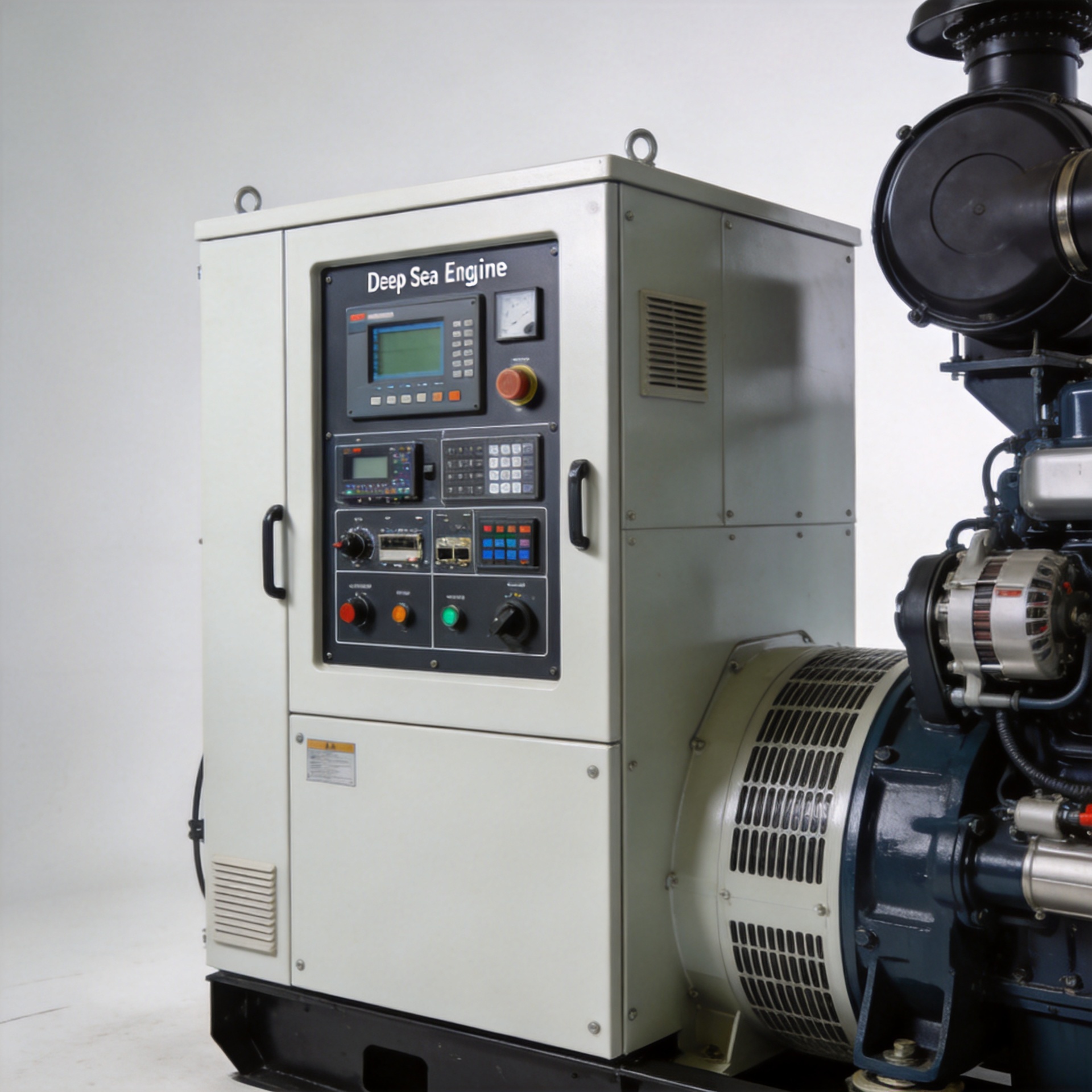
If you've spent any time sourcing generator components, you already know that selecting the wrong controller isn't just an inconvenience. It can mean a system that fails at the worst possible moment. The deep sea engine controller has become the de facto standard for genset control in diesel and gas generator applications worldwide, but the range of available models is wide enough that "pick a DSE module" is not a useful starting point for anyone actually making a purchasing decision.
What makes the selection genuinely tricky is that the difference between two DSE models often isn't about quality. It's about fit. A controller that works perfectly in a standby AMF application may be entirely wrong for a paralleling installation. So rather than comparing specifications line by line, the more reliable approach is to match the controller to your application type first, then verify the technical parameters.
Step 1: Identify Your Application Type
Deep Sea Electronics organizes its genset controller range into five distinct application categories. Understanding which category your installation falls into narrows the selection immediately:
- Manual & Auto Start: Basic start/stop with engine monitoring and protection. Models like the DSE3110 are suited to straightforward standby applications where mains monitoring is not required. The controller starts the generator on operator command or a simple external signal.
- AMF (Auto Mains Failure): The controller monitors the incoming mains supply continuously and commands the generator to start automatically when a mains failure is detected. The DSE4520 is a common AMF choice for facilities that need automatic backup power. After mains is restored, the controller manages the load transfer back and shuts the generator down.
- Remote Start Control: Designed for applications where the generator must respond to a remote start signal, such as telemetry systems or generator rental fleets. These modules do not monitor mains but can accept start commands from remote monitoring platforms.
- Load Sharing & Synchronising: Needed when running two or more generators in parallel. The controllers manage synchronisation before connecting to the bus and share load proportionally between units.
- Advanced Paralleling: For large or critical power installations with multiple generators and more complex protection and communication requirements, including mains parallel operation.
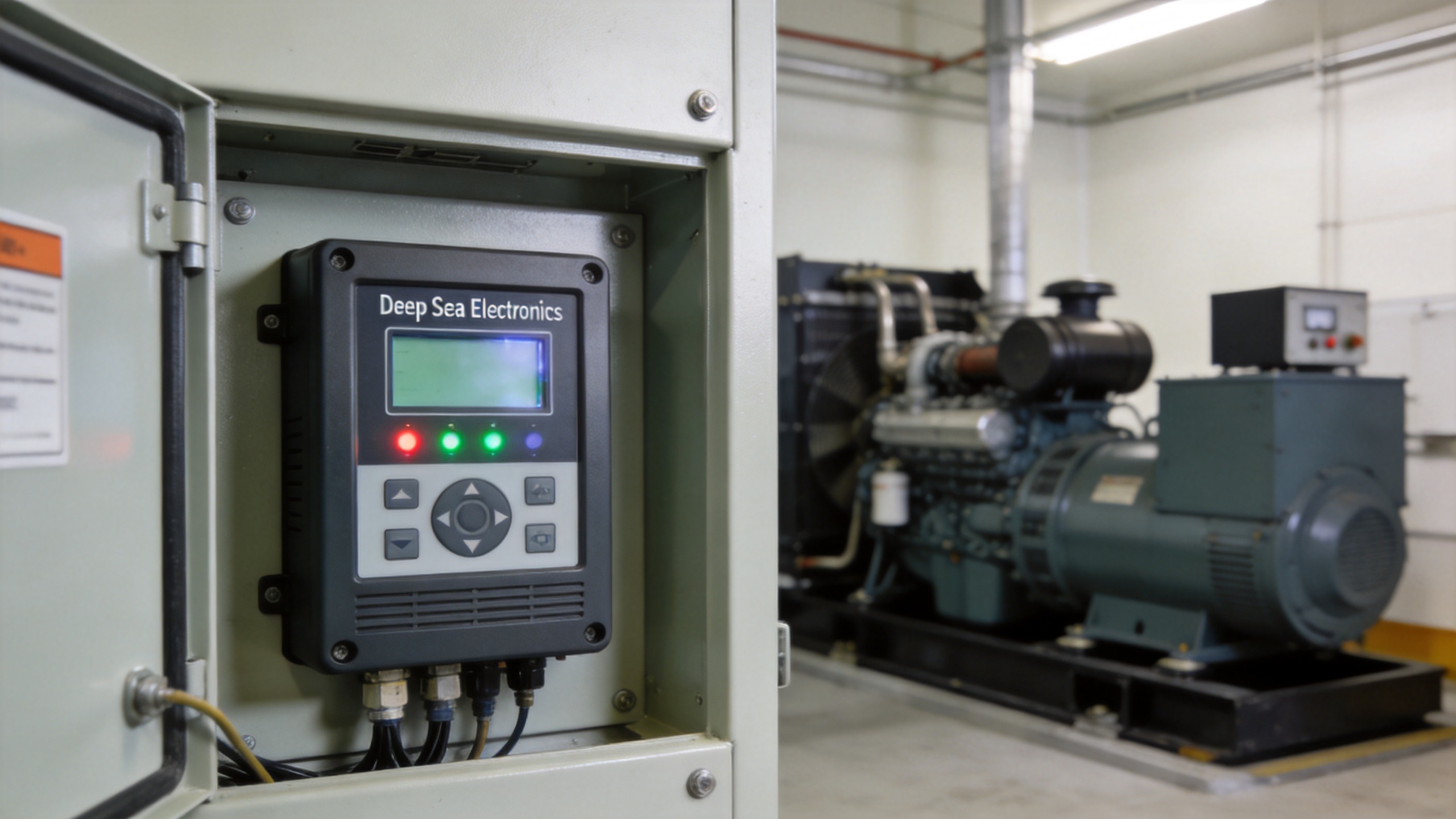
The question to ask at this stage is not "which model has more features" but "which category matches what this installation actually needs to do." For many standard backup genset installations, an AMF controller or a simple auto-start engine generator controller deep sea module is sufficient, and adding unnecessary functions increases cost without improving reliability.
Step 2: Verify Engine ECU Compatibility
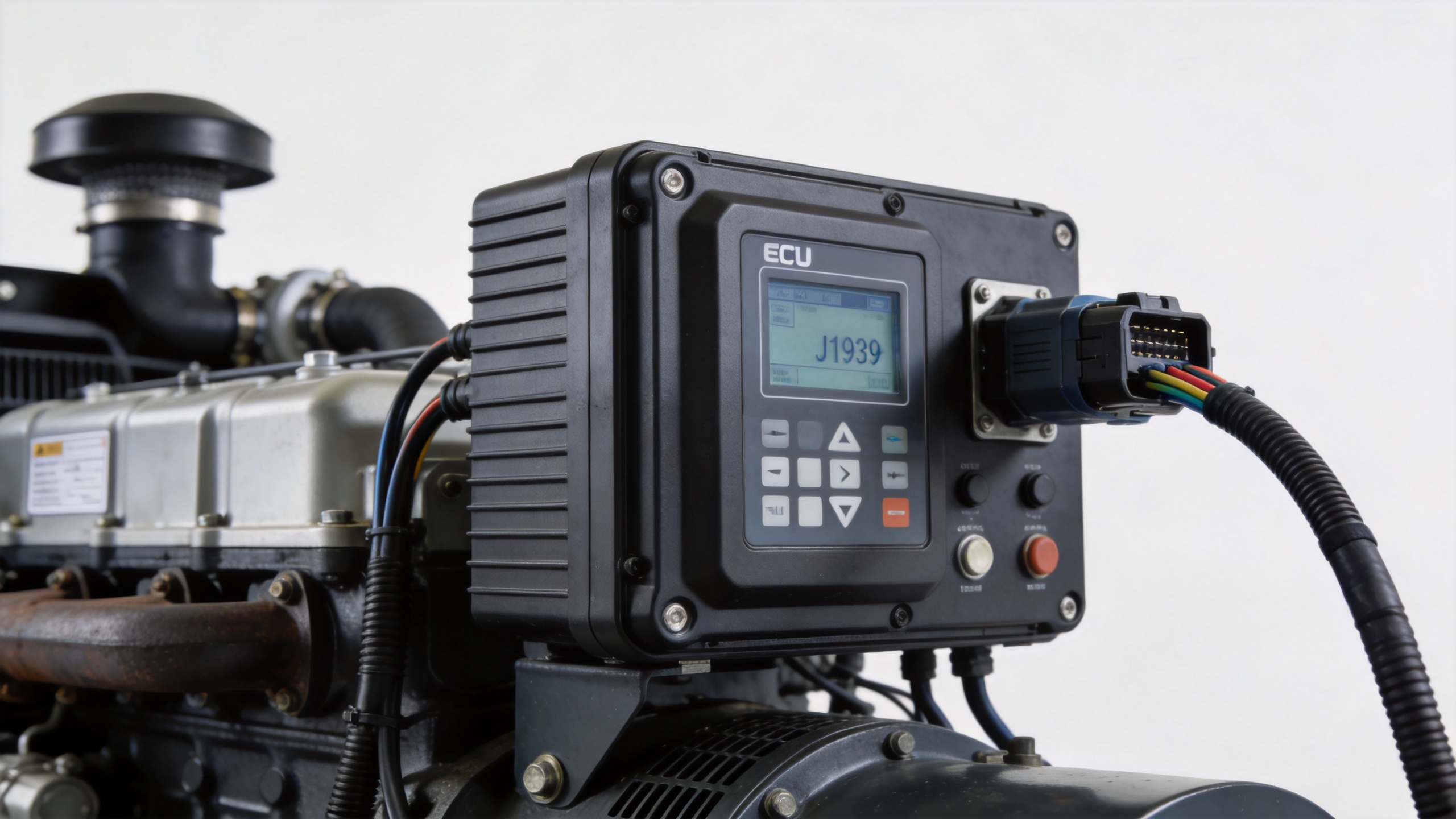
This is where a lot of buyers run into problems. Modern diesel engines, especially Cummins, Perkins, Volvo Penta, MTU, and Doosan variants, use electronic control units (ECUs) that communicate via the SAE J1939 protocol over a CAN bus. The DSE engine controller you select must support J1939 if you want it to communicate directly with the engine ECU for speed, temperature, pressure, and fault data, rather than relying on analog sensor wiring.
J1939 operates at 250 kbits/s or 500 kbits/s and allows the deep sea engine control module to read engine parameters directly, reducing the number of discrete wiring connections and enabling more detailed fault reporting. If your engine does not have an ECU or uses a simpler electronic governor with analog outputs, a controller without J1939 will work fine. The key point is to match the controller to the engine's actual communication capability, not to buy the highest-feature module and hope it works.
Before finalizing any order, confirm: Does the engine have an ECU? What protocol does it use? Does the DSE module's compatibility list explicitly include your engine make and model series?
Step 3: Define Your Monitoring and Protection Requirements
Engine protection is a baseline requirement across all DSE controller categories, but the depth of protection varies. Entry-level modules cover the fundamentals: high coolant temperature, low oil pressure, overspeed, and underspeed. More advanced controllers add parameters like differential pressure monitoring, battery charger alternator failure, and configurable input/output logic for custom protection sequences.
The DSE 5500 controller and similar mid-tier DSE engine controller models expand the protection profile for applications where a simple engine shutdown isn't sufficient. These are suited to facilities that need detailed alarm differentiation, pre-alarm warnings, or timed shutdown sequences to protect connected loads.
For installations where the generator must operate unattended for extended periods, such as remote telecommunications sites, offshore platforms, or unmanned substations, choosing a dse engine controller with configurable alarm handling and remote event logging matters more than it does for a generator in a managed facility where operators are present.
Step 4: Evaluate Connectivity Requirements
Not all genset installations require network connectivity, but where it does matter, DSE controllers have expanded their options considerably. The current G7-Series controllers include integrated Ethernet connectivity on the G7400, CAN and Modbus support, and a UL-listed design that has also been validated against cyber-security architecture requirements.
For buyers in Europe and North America who are required to document compliance or integrate controllers into SCADA or building management systems, the communications capability of the controller is part of the specification, not an optional add-on. For simpler applications, these capabilities add cost without functional benefit.
The practical check here: does your installation require remote monitoring access, integration with a third-party management platform, or compliance documentation for connectivity? If yes, identify which specific interface is needed (Modbus RTU/TCP, Ethernet, CAN) and confirm the selected model supports it natively, not through an additional gateway module.
Step 5: Factor in the Physical Installation Environment
DSE controllers are typically panel-mounted, but the operating environment affects both model suitability and long-term reliability. Consider the ambient temperature range, as controller specifications list operating ranges, and installations in high-ambient environments like generator rooms in tropical climates or rooftop enclosures may push the limits of standard controller specifications. Ingress protection ratings matter for outdoor enclosures or installations where condensation or dust is a concern.
This is a frequently overlooked detail in purchasing. A controller that performs perfectly in a controlled switchgear room may behave unpredictably in a field-installed enclosure with poor ventilation and wide temperature swings.
A Practical Summary for Buyers
Choosing the right deep sea engine controller comes down to five questions answered in sequence:
- What does the installation need to do? (Application type)
- What does the engine communicate? (ECU/J1939 compatibility)
- How detailed does the protection need to be? (Protection scope)
- Does the system need network integration? (Connectivity)
- What is the operating environment? (Temperature, IP rating)
Working through these five criteria before reviewing specific models reduces the risk of ordering a controller that technically functions but isn't appropriate for the application. It also simplifies the supplier conversation. Rather than asking "which DSE controller do you recommend," you can specify the application category, engine type, and connectivity requirements and receive a direct recommendation.
For buyers sourcing controllers for wholesale distribution or multi-unit projects, maintaining a clear specification sheet per application type allows consistent ordering across different projects without reverting to brand-only selection. The engine generator controller deep sea range is broad enough that application-type matching, rather than model-name familiarity, produces more reliable outcomes at scale.






