
 EN
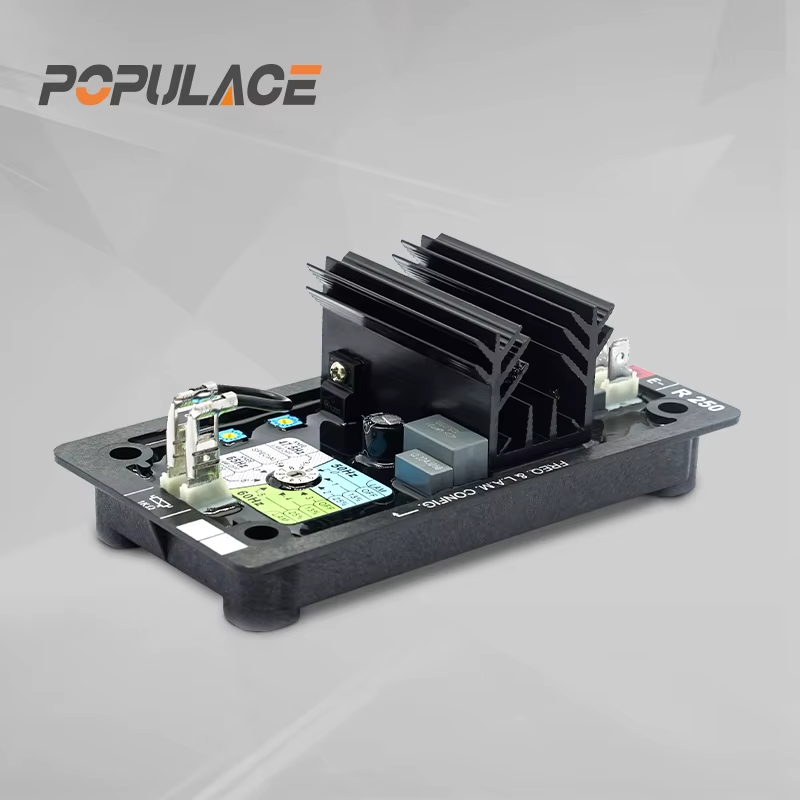
How to Choose the Right Alternator AVR for Your Genset Wholesale Inventory?
For a distributor, an alternator avr is not a generic replacement board. It is the control component that senses generator output and adjusts excitation so the alternator can hold the intended terminal voltage. A mismatch may look inexpensive at purchase, then become a return, a field-support call, or a stalled customer repair. That is why the right inventory decision starts with compatibility evidence rather than a familiar part number.
From a generator-parts distributor’s perspective, the useful question is not “Which alternator avr has the lowest quoted price?” It is “Which models can we identify, verify, receive, and replenish consistently for the gensets our customers actually service?” This guide turns that question into a practical wholesale process.
Start with the alternator, not the label on the regulator
An alternator automatic voltage regulator works within a control loop: it reads the voltage signal, compares it with a setpoint, and changes field excitation. The same broad job does not make every regulator interchangeable. An alternator AVR that resembles another unit may differ in sensing arrangement, supply arrangement, connector layout, protection logic, or adjustment range.
Build the first column of your inventory file around the alternator model, series, and excitation arrangement. Record whether the machine is self-excited, auxiliary-winding supplied, or supported by a permanent-magnet generator system. Then capture the generator’s rated voltage, phase arrangement, and operating frequency. A replacement should be assessed against those facts before it is grouped into an “equivalent” stock line.
Early in sourcing, buyers often focus on voltage and frequency. After a difficult installation, attention usually shifts to the deeper compatibility details: sensing inputs, excitation output, terminals, and the control-panel connection. Those details decide whether an avr for brushless alternator can be commissioned safely and predictably.
Use a six-point compatibility screen
1. Excitation system and output capability
Confirm how the alternator field is energized and what the existing regulator is expected to supply. The replacement alternator avr needs an excitation design and output capability appropriate to the alternator, not merely a similar-looking housing. Ask the supplier for the wiring diagram and the original regulator reference before treating a model as a stock substitute.
2. Voltage sensing and phase arrangement
Check the sensing voltage range and whether the unit is intended for single-phase or three-phase sensing. Some digital AVR families offer multiple sensing options; that does not mean every version does. For an ac generator avr, confirm the actual terminal points used for sensing and whether the customer’s generator voltage falls inside the model-specific documentation.
3. Frequency and under-frequency behavior
Identify whether the genset operates at 50 Hz or 60 Hz and how the regulator handles low-speed conditions. A frequency-related protection or roll-off setting can affect voltage behavior when engine speed drops. Treat this as a verification item, particularly when one inventory program serves several export markets.
4. Adjustment, stability, and remote-control needs
Compare the required voltage adjustment, stability controls, and any remote voltage trimmer connection. These are practical service questions: can the technician set up the unit using the panel and harness already on the genset, and can the end user retain the expected operating controls? An alternator voltage control module should be judged by its installed interface, not only its catalogue description.
5. Mechanical and wiring interface
Verify terminal markings, plug type, mounting footprint, insulation condition, and wire count. Photographing the old unit and collecting its wiring diagram before order confirmation reduces ambiguity. If a supplier cannot provide a clear terminal map, the part should remain unapproved for broad inventory until the interface is confirmed.
6. Protection and operating environment
Ask which protective functions are documented for the exact AVR version, such as over-excitation or loss-of-sensing behavior. Do not assume features from a different model in the same family. Also consider enclosure conditions, vibration exposure, and the customer’s load profile. A standby set with stable loads and a prime-power set with frequent motor starts may need different evaluation priorities.
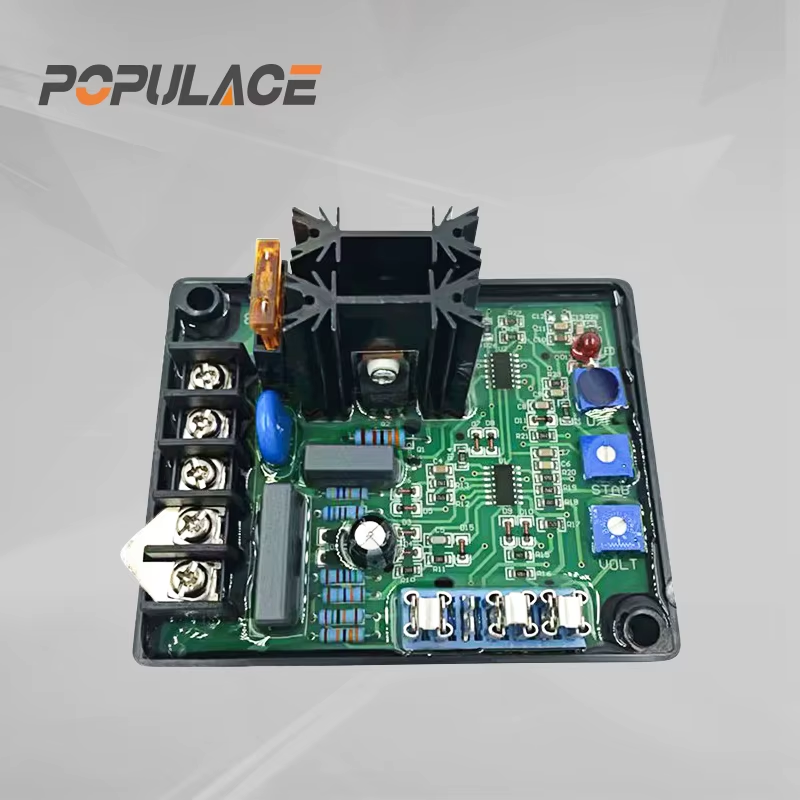
Turn technical checks into an inventory strategy
Wholesale inventory works more reliably when you separate fast-moving, well-documented replacements from application-specific models. Create an A-list for regulators with repeatable demand and complete compatibility evidence. Keep a B-list for lower-volume variants that can be supplied against a verified inquiry. This avoids tying cash up in broad “universal” claims that are hard to support at installation.
Once you manage parts inventory long enough, the focus moves beyond the lowest quote. The more useful question becomes whether a supplier can provide consistent batches, stable identification, and documentation for the next replenishment. For every approved alternator avr, retain the supplier reference, revision information, packaging label, wiring diagram, and the alternator models it has been checked against.
Set receiving controls before a batch reaches your shelves
- Match the purchase order, regulator label, and approved reference before stocking.
- Inspect terminals, connectors, mounting points, and visible board protection for consistency across the batch.
- File the model-specific wiring diagram and adjustment instructions with the stock record.
- Keep lot or shipment traceability so a service issue can be isolated without questioning the whole range.
- Use a sample or controlled bench/field validation process that suits your technical capability before listing a new substitute widely.
These controls do not guarantee field performance, but they make a sourcing decision easier to review. They also help your sales team ask better questions when a customer requests an ac generator avr by appearance alone.
What to request from an AVR supplier
For wholesale evaluation, request the exact model number, a dimensioned photo or drawing, terminal and wiring information, supported excitation and sensing arrangements, adjustment details, packing information, and the supplier’s method for confirming compatibility before order release. A specialized generator-control supplier can add value by reviewing the alternator model and existing regulator reference before a volume order is finalized.
Fujian Kaiyue Electronics focuses on generator control components and replacement parts. For a distributor, that category focus is useful when the requirement is documentation-led selection rather than a generic electrical-parts quote. Still, verify the final match against the genset’s own data and the selected regulator’s current documentation.
A final wholesale checklist
Before adding an alternator avr to inventory, confirm the alternator model, excitation method, sensing voltage and phase, frequency, regulator output requirements, wiring and mounting interface, needed adjustments, documented protections, batch identification, and replenishment support. If one of those items remains unclear, keep the part in inquiry-only status rather than promising it as a direct replacement.
That approach protects margin and customer confidence. A suitable avr for brushless alternator is not chosen by the broadest claim; select one whose technical fit, documentation, and supply continuity you can demonstrate for the genset in front of you.






