
 EN
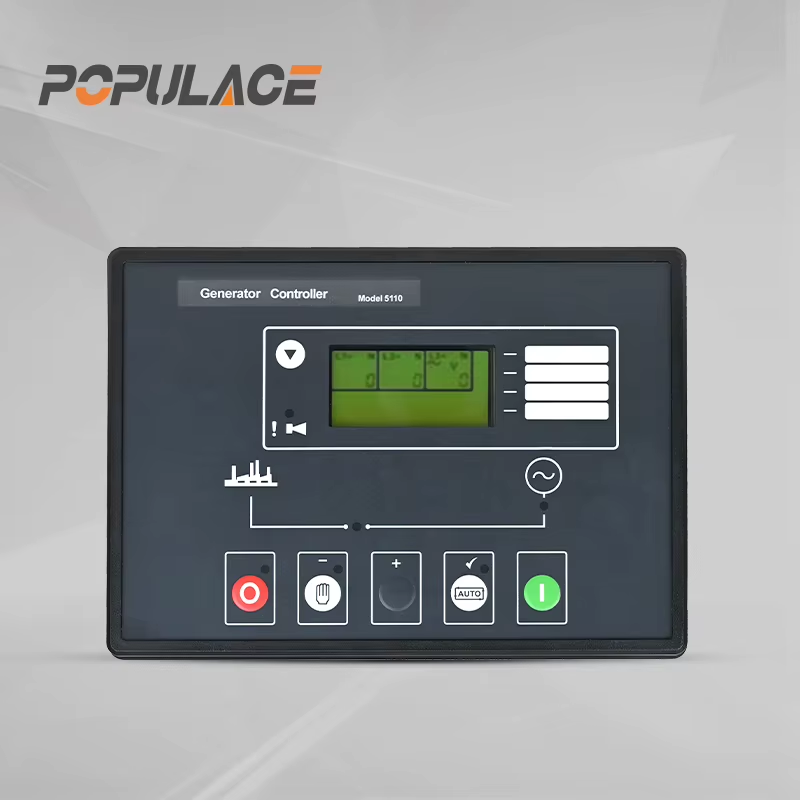
How to Buy Controller Genset Units Directly from the Factory for Export?
If you're sourcing a controller genset for resale or project deployment abroad, buying directly from a Chinese factory cuts your landed cost compared to purchasing through distributors. The gap between a genuine manufacturer and a middleman is easy to miss, though — buyers often don't notice until they're holding the wrong paperwork at customs. From working through multiple sourcing cycles, the most avoidable errors show up at three moments: before the first inquiry, during specification confirmation, and at export documentation.
This guide walks through each stage so you can move from initial supplier identification to a cleared shipment with the right generator set controller units in hand.
What Makes a Controller Genset Different from a Standard Generator Part?
The controller for diesel genset is the operating brain of the generator set. It handles automatic start and stop sequences, monitors voltage, current, frequency, oil pressure, and water temperature, and in most configurations provides AMF (Automatic Mains Failure) functionality that kicks the generator on when grid power fails. Unlike passive components such as AVRs or fuel filters, a genset control panel controller is wired into engine sensors, alternator protection circuits, and external monitoring systems. Specification errors compound here. A controller ordered to the wrong input voltage range or without the AMF function your end market requires won't be a minor inconvenience; it will be returned at your cost.
When placing a factory order, your specification sheet must capture at minimum: operating voltage range, frequency (50 Hz or 60 Hz), generator rated capacity (kVA), AMF or remote start mode, LCD display language, and any communication protocol requirement (Modbus, CAN bus). Getting these confirmed in writing before payment is the step most buyers skip when price looks competitive.
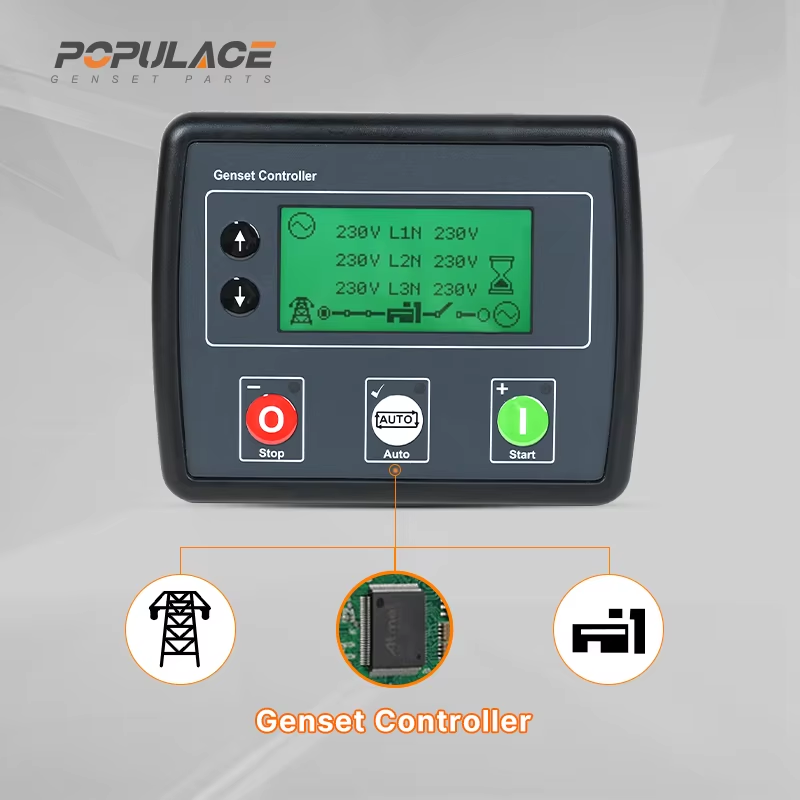
Identifying a Genuine Factory Versus a Trading Company
Most Chinese B2B platforms mix manufacturers and traders in the same search results. Some indicators help separate them, though none is definitive on its own:
- Business license category: Request the supplier's business license. A manufacturing company lists manufacturing scope; a trading company does not. Some factories operate separate trading arms, which is legitimate — what matters is whether production is in-house.
- Factory audit: Established buyers request a third-party factory audit before any significant order. For a genset AMF controller supplier relationship involving repeat purchasing, the audit cost is typically recovered within one or two orders by preventing a quality problem.
- Product documentation depth: A factory that manufactures controller genset units can provide wiring diagrams, installation manuals, parameter configuration guides, and test records for the specific models it produces. A trader often cannot supply documentation beyond the datasheet it received from elsewhere.
- Sample consistency: Request two or three samples from the same batch, not a single handpicked unit. Variance across samples — in labeling, connector fit, and display calibration — is more revealing than a single sample.
When a supplier quotes unusually fast delivery for a first order of a specialized controller genset model, that speed often signals existing stock held by a trading company, not factory production. A genuine manufacturer will typically quote 15–30 working days for a new order configuration, not 3–5 days.
Confirming Specifications Before Committing
Most price negotiations happen before specification confirmation — which is the wrong order. Once a price is agreed, the supplier has less incentive to flag compatibility concerns. The sequence that works better: confirm the full technical specification first, get it signed off in the purchase order, then finalize pricing.
For a generator set controller with AMF function intended for export to Europe or North America, the confirmation checklist should include:
- Input voltage range (typically 8–35 V DC for engine start circuits)
- AC sensing input range matching your target alternator output
- Number of configurable I/O points for engine protection functions
- Certification compliance: CE marking for EU markets, FCC for North American markets
- Operating temperature range relative to the installation environment
- Display language options and firmware customization availability
On certification: many listings show CE logos, but CE self-declaration covers a wide range of compliance levels. For a genset AMF controller shipped to the EU, confirm that the CE declaration of conformity applies to the specific model number you are ordering. Ask for the actual DoC document, not just a catalog logo.
Negotiating MOQ and Pricing
Factory-direct wholesale pricing for standard controller genset units typically falls in the $39–$99 per unit range for order quantities of 5 to 99 units, depending on feature set and communication options. Basic manual-start models without AMF can be sourced below $30 in volume; full-function units with GSM remote monitoring and customized firmware can reach $150–$200 for smaller runs.
Ask the MOQ question explicitly: "What is the minimum unit quantity and minimum order value to qualify for this price?" Some factories quote a per-unit price that applies only to orders above a dollar threshold (say, $2,000), while a $400 trial order will carry a notably higher per-unit cost. Discovering this after sharing your budget creates an awkward renegotiation.
Lead time is the other variable to lock in before confirming. For export orders, factory production plus ocean freight plus customs clearance typically totals 45–70 days from order confirmation to delivery for standard routes to Europe or Southeast Asia. If that window doesn't work for your project cycle, establish it before signing the proforma invoice.
Export Documentation: What the Factory Must Provide
A shipment of controller for diesel genset units held at customs is rarely caused by the product itself — the root cause is a documentation gap in the vast majority of cases. The required export package typically includes: commercial invoice with HS code, packing list, certificate of origin, CE declaration of conformity (for EU), and applicable RoHS compliance certificates required by the destination country.
Establish the required documentation list with your customs broker before placing the order, then confirm in writing that the factory will supply each document and by what date. A supplier that hesitates or defers documentation to "later" is signaling an export process that is not routinely ready for international compliance requirements. Factories in established export zones — such as those in Fujian or Guangdong province — typically carry more experience with multi-market certification documentation than suppliers in less export-oriented locations.
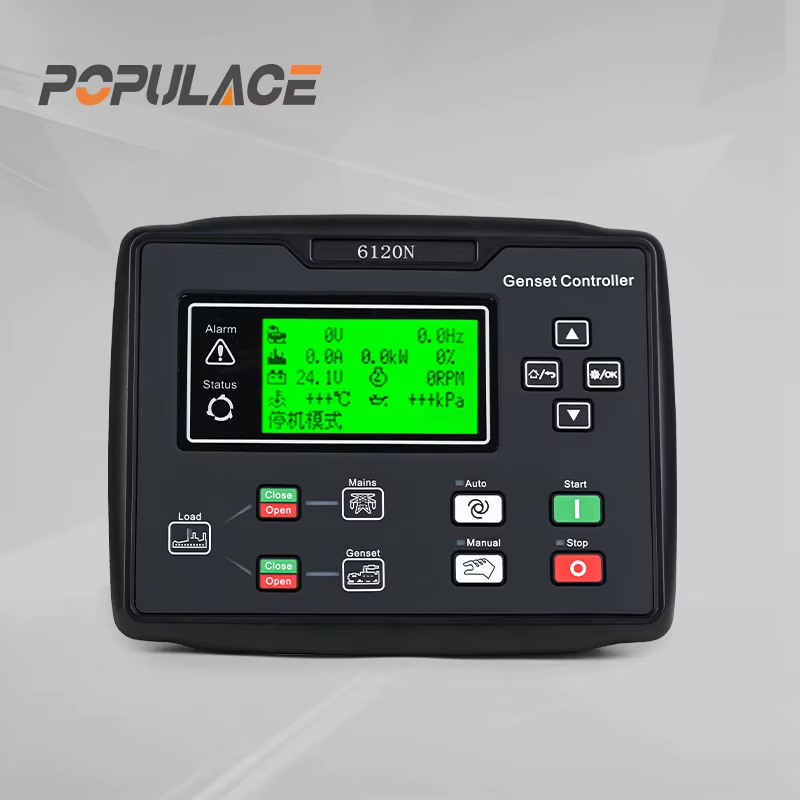
Placing and Managing Your First Order
For a first order with a new factory supplier, size the trial to your minimum acceptable quantity — enough to test functional performance, packaging quality, and documentation reliability without overcommitting capital. Most established manufacturers accept trial quantities in the 5–20 unit range for standard generator set controller models, particularly when the buyer indicates intent to scale on subsequent orders.
Verify on receipt: anti-static packaging and foam-insert cartons are standard for electronic controller genset components, and their presence signals production-line quality discipline. Check document completeness and specification match against the confirmed purchase order. If all three check out, the second order can scale with confidence. Direct factory sourcing for an export program requires more upfront diligence than buying through a distributor — but for buyers building a repeat purchasing program, the margin advantage at volume and supply continuity from a direct manufacturer relationship make that investment worthwhile.






