Detailed Product Description
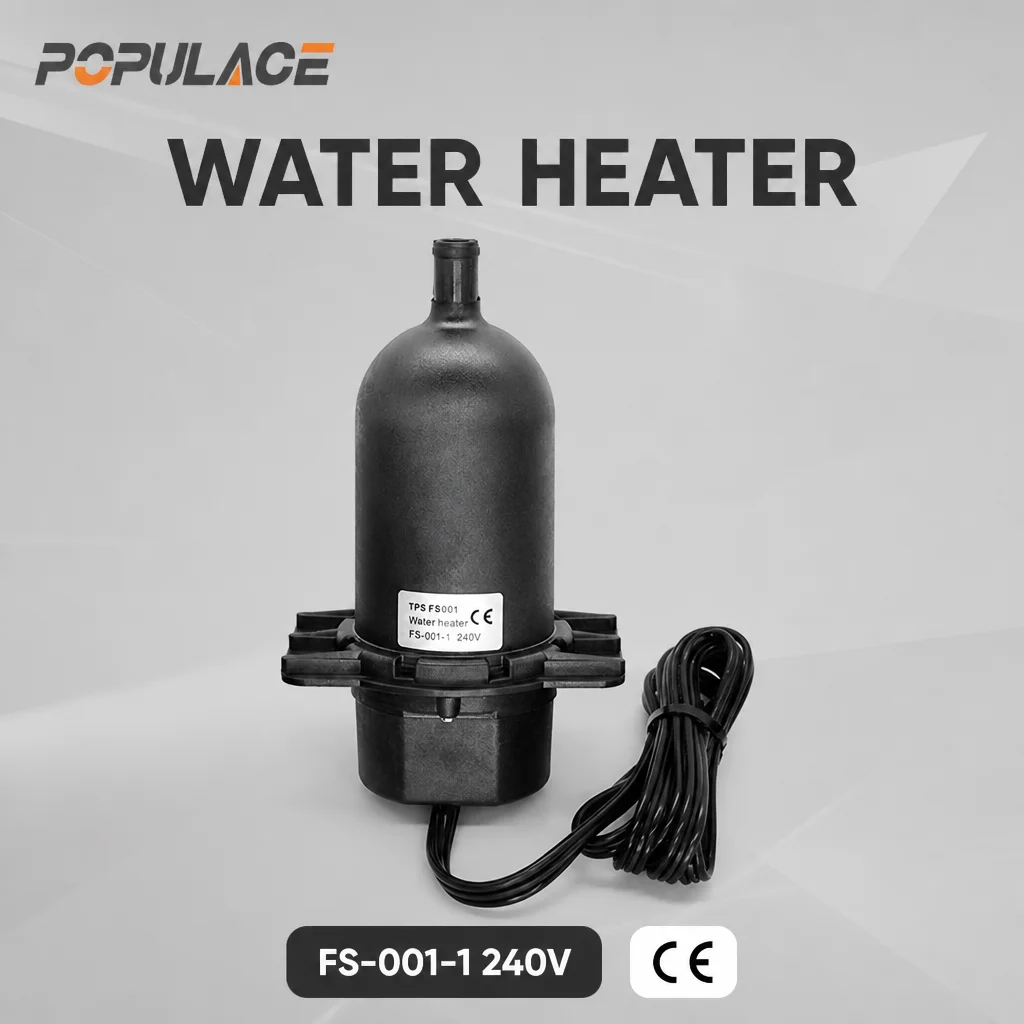
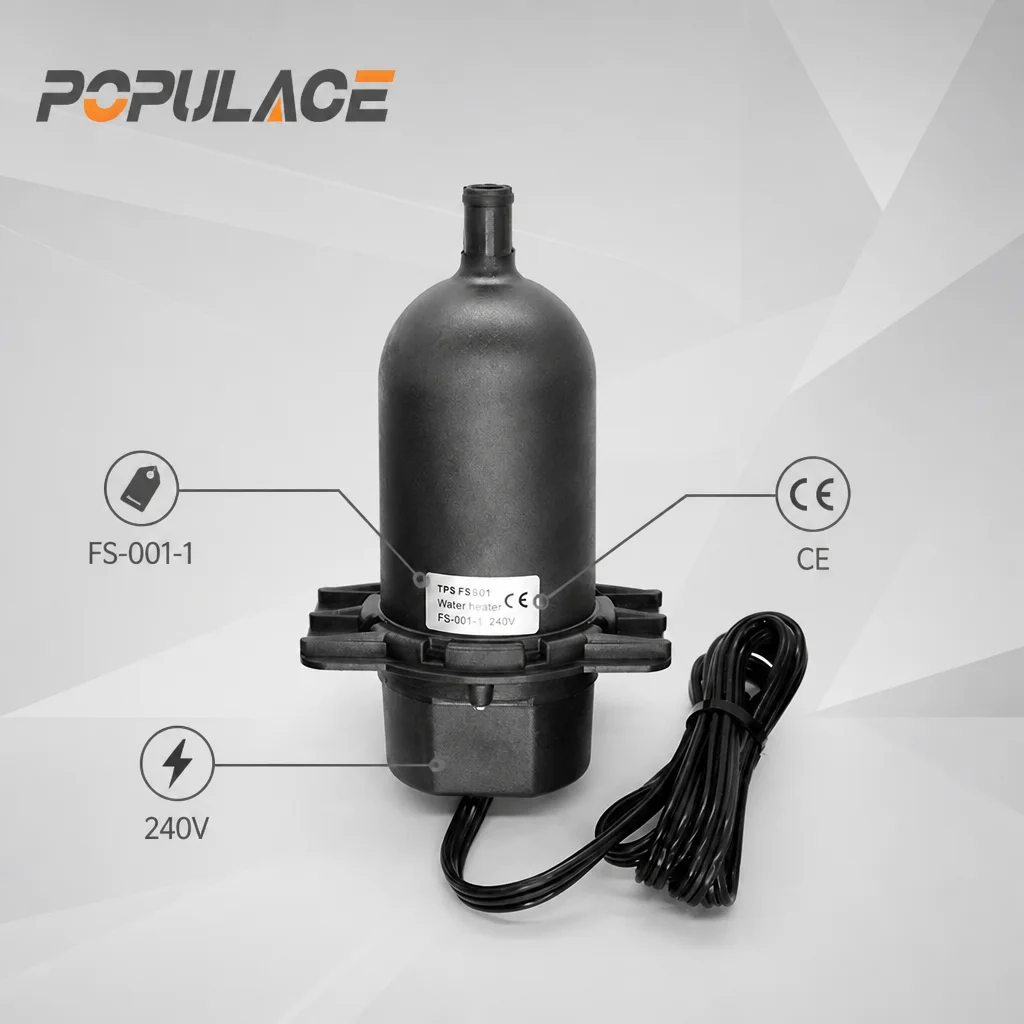
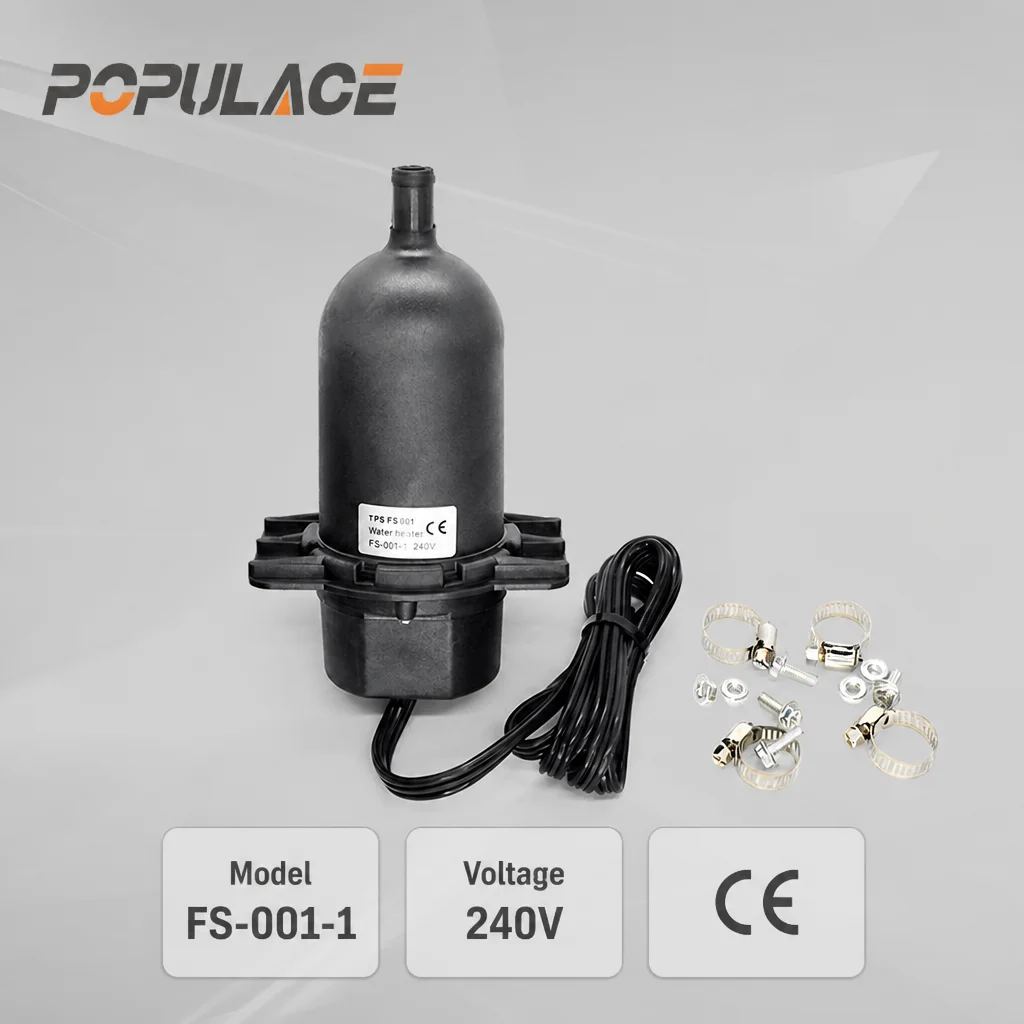
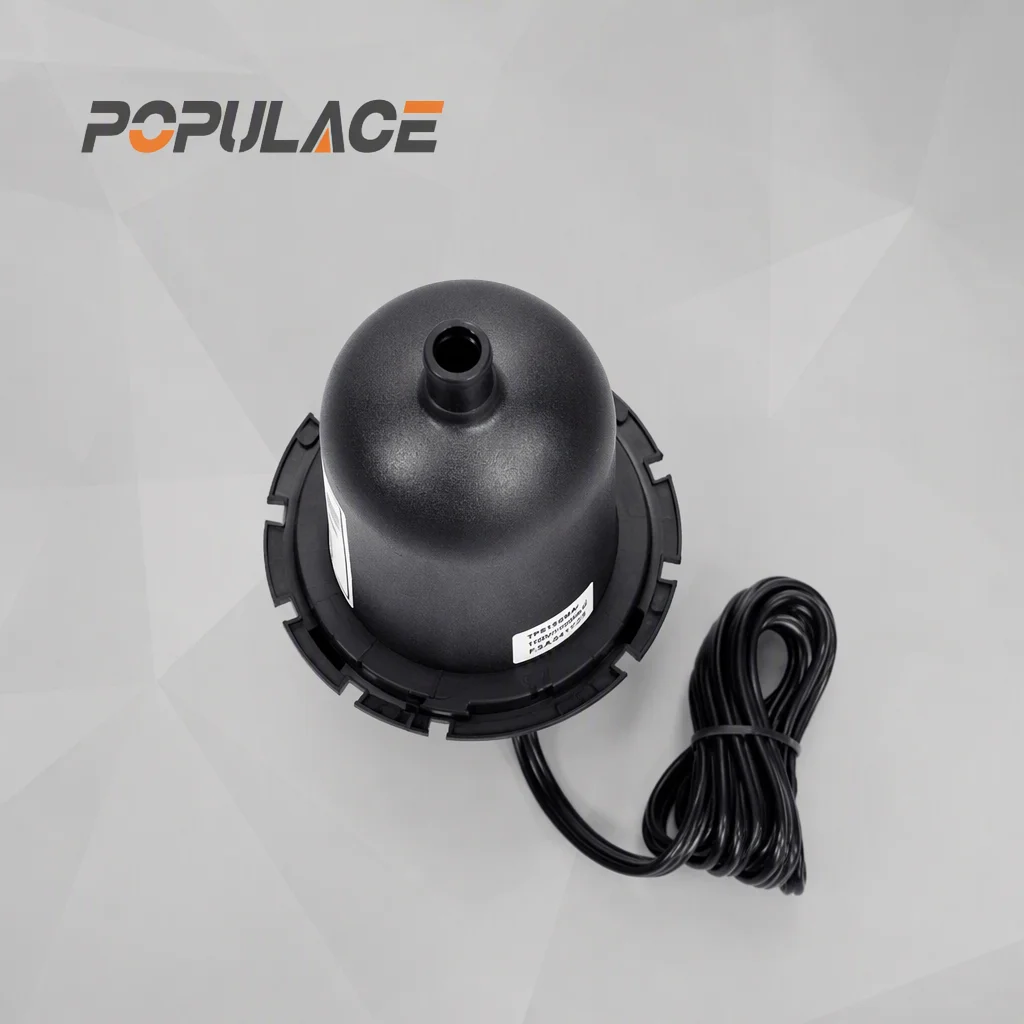
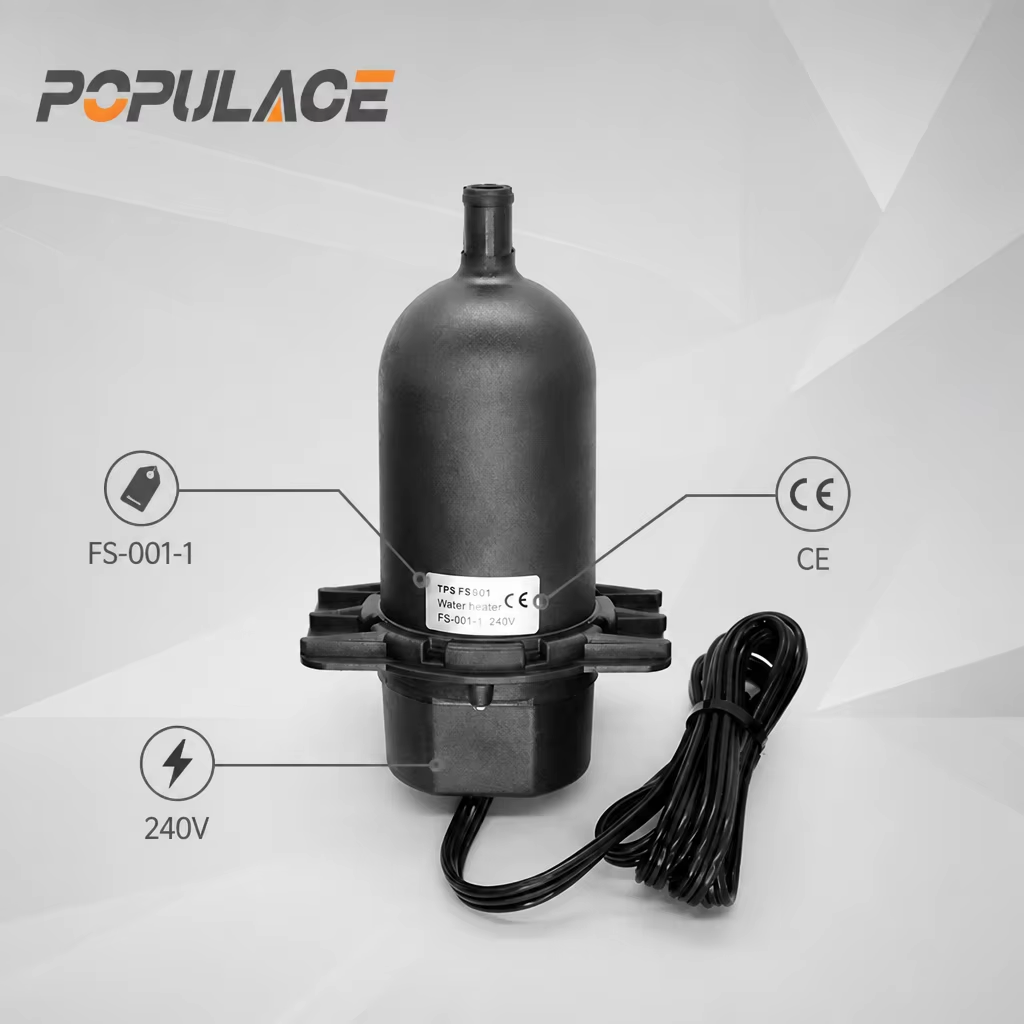
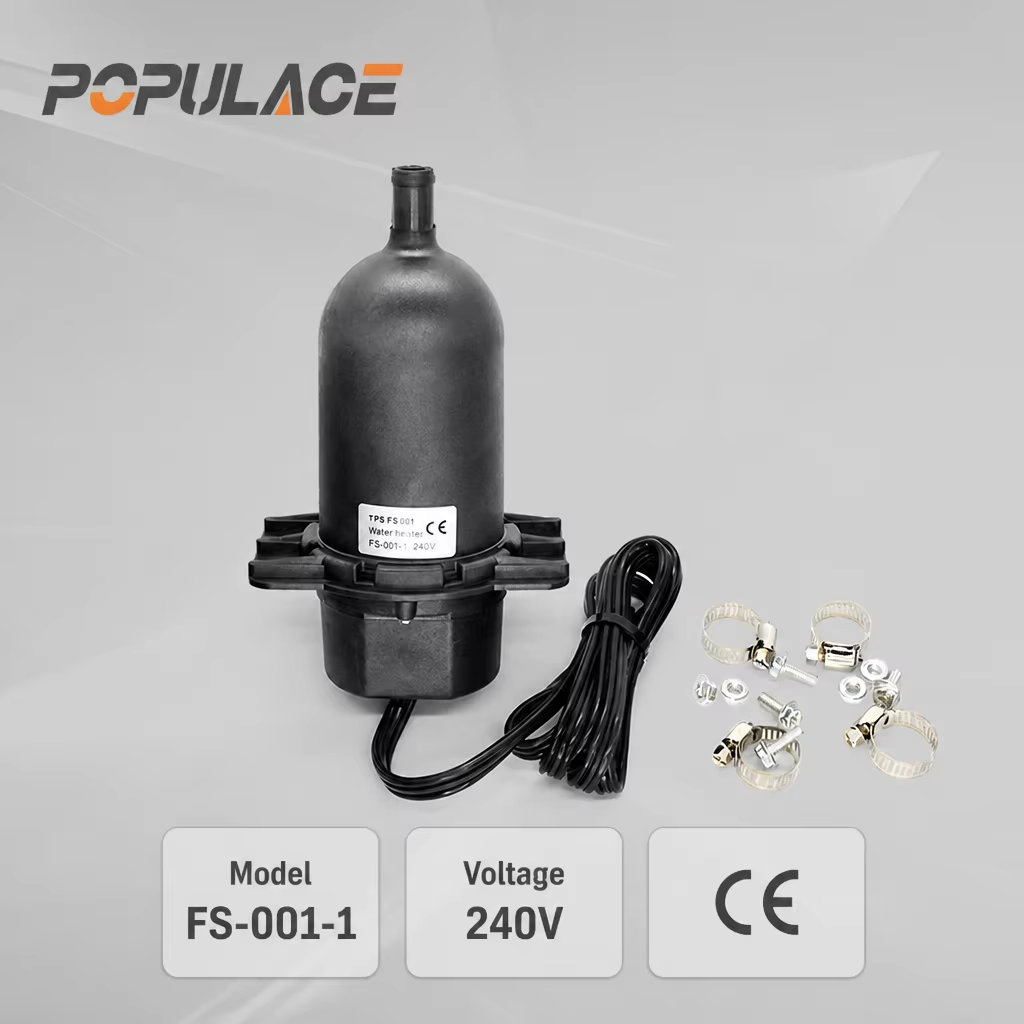
Diesel generators that sit idle in cold environments face a predictable set of challenges: thickened engine oil, reduced battery cranking capacity, and coolant temperatures that make first ignition difficult. The water jacket heater addresses these conditions at the source—by warming the engine coolant before startup. This 1000W unit is built around a stainless steel heating element and a self-contained thermostat circuit, designed to circulate warmth through the water jacket via natural thermosiphon action or assisted circulation depending on installation orientation.
The heater’s adjustable temperature control allows technicians to set the activation and cut-off points according to the engine manufacturer’s cold-start recommendations. For most diesel gensets in the 0–5.7L displacement range, a setpoint between 40°C and 50°C provides a practical balance between startup readiness and energy consumption . The stainless steel housing is not a cosmetic choice; it resists the corrosive effects of long-term coolant exposure, including the organic acid additives found in modern extended-life antifreeze formulations.
Installation follows the conventional pattern for universal water jacket heaters: the unit mounts horizontally on the generator base frame or engine block, with the outlet port oriented upward to encourage air release during the initial fill . The inlet connects to the lower coolant circuit, and the outlet feeds the upper water channel, creating a thermal loop that distributes heat through the jacket. Because the heater operates independently of the engine’s running state, it continues warming the coolant while the generator is on standby—keeping the block within a ready-to-start temperature band.
For B2B buyers, the practical value lies in standardization. A single 1000W water jacket heater specification can cover multiple generator models across a fleet, simplifying spare-parts inventory and reducing the number of SKUs a service department must stock. The universal stainless steel construction and adjustable thermostat eliminate the need to source engine-specific preheaters for every genset variant.
Key Features
Adjustable Thermostat Control. The integrated thermostat allows field adjustment of the activation and cut-off temperature points. Technicians can fine-tune the heating band to match OEM cold-start recommendations or adapt to seasonal ambient changes without replacing the unit.
Stainless Steel Heating Chamber. The heating element is housed in a stainless steel body that resists corrosion from coolant chemistry, including glycol and additive packages. This extends service life in installations where the coolant is not frequently replaced.
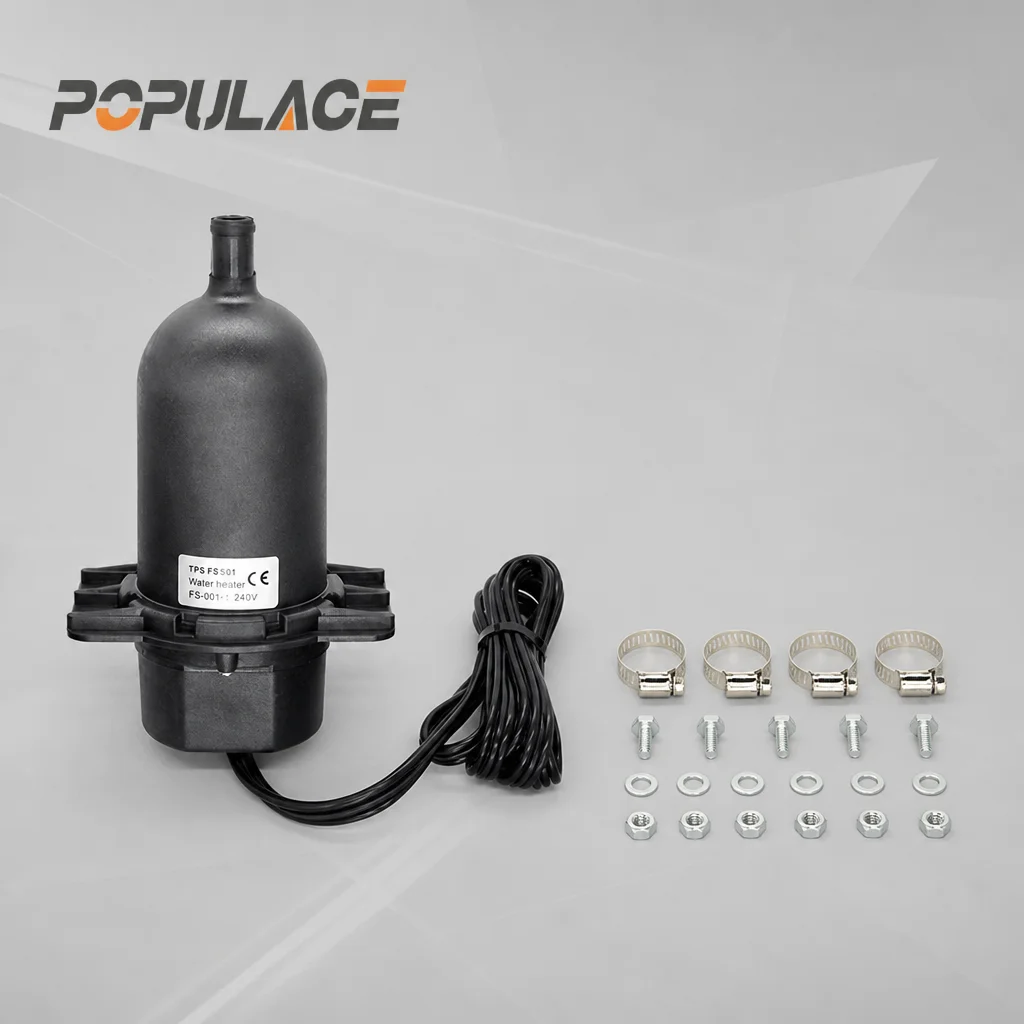
Universal Mounting Configuration. The heater uses a standard bracket-and-hose connection layout compatible with most water-cooled diesel generator frames. Inlet and outlet ports accept commonly available coolant hose sizes, reducing installation time and parts sourcing friction.
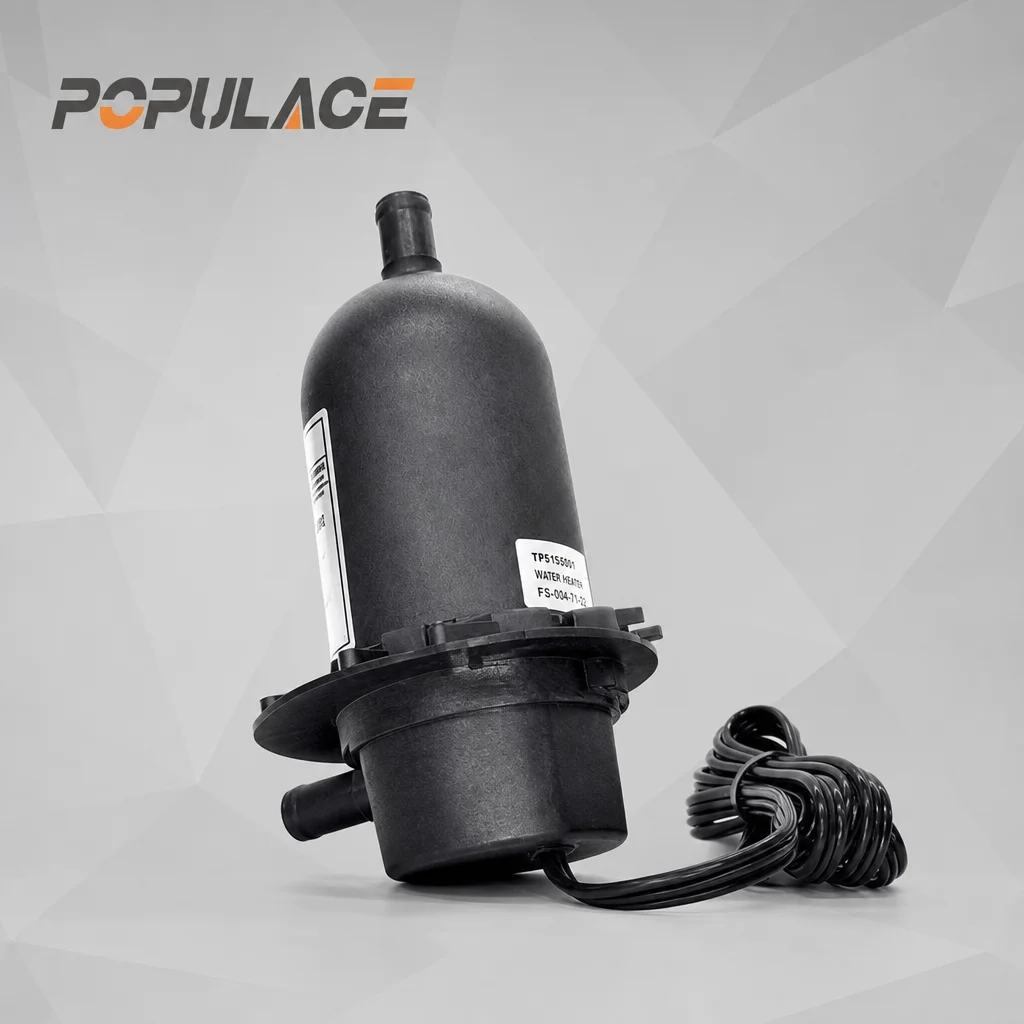
Thermosiphon-Compatible Design. The vertical outlet orientation supports natural coolant circulation without requiring an external pump in most installations. Where forced circulation is preferred, the unit can be integrated into a circuit with a circulation pump.
1000W Heating Output. The 1kW rating is matched to small-to-mid displacement diesel engines, providing adequate heat input to raise coolant temperature within a practical timeframe while avoiding excessive watt density on the element surface.
Technical Specifications
| MODEL |
FS-001-0.5 |
FS-001-1 |
FS-001-1.5 |
FS-001-2 |
| RATED POWER |
500W |
1000W |
1500W |
2000W |
| RATED VOLTAGE |
AC240V |
| RATED CURRENT |
2A |
4.2A |
6.3A |
8.3A |
| ENGINE DISPLACEMENT |
0-2.5L |
2.5-5.7L |
5.7-8.2L |
8.2-13L |
| THERMOSTAT SET POINT |
45 Degree |
| TEMPERATURE SWITCH |
Off/45C, On/25C ,Customized |
| INSULATING RESISTANCE |
>=50MO |
| ELECTRICAL STRENGTH |
AC 1.5KV 1MIN |
| INLET/OUTLET SIZE |
16mm |
| MAX.WATER PRESSURE |
0.5Mpa |
| PROTECTION CLASS |
IP54 |
| Applicable countries |
Russia |
Canada |
U.S. |
Denmark |
Technical Advantages
Thermal Efficiency Through Direct Coolant Contact. Unlike external block heaters that rely on conduction through metal surfaces, the water jacket heater places the heating element in direct contact with the coolant circuit. This design transfers heat to the liquid rather than to surrounding air, concentrating energy where it affects startup performance.
Corrosion-Resistant Wetted Surfaces. The stainless steel construction addresses a common failure mode in coolant heaters: internal corrosion leading to element sheath degradation. Coolant systems in diesel gensets often contain glycol, water, and additive packages that can attack lower-grade metals over time. Stainless steel provides a durable barrier against these chemical interactions.
Independent Operation from Engine Controls. The heater operates on its own thermostat circuit, drawing power from a standard AC supply. It does not require integration with the generator controller or engine ECU, which simplifies retrofitting to older gensets or mixed-fleet environments where controller architectures vary.
Field-Adjustable Without Specialized Tools. The thermostat adjustment is accessible to service technicians without proprietary software or calibration equipment. This reduces downtime when setpoints need adjustment for seasonal changes or after coolant system repairs.
Compatible with Common Coolant Types. The heater is suitable for use with standard ethylene glycol and propylene glycol coolant mixtures. This compatibility allows installation without draining and replacing the existing coolant charge, provided the system is clean and free of debris .
Applications
Standby Generator Sets. Emergency and backup generators in hospitals, data centers, and telecommunications facilities must start within seconds of a power interruption. A warm engine block reduces cranking time and supports immediate load acceptance. The water jacket heater keeps coolant temperature elevated during extended standby periods .
Prime Power and Remote Installations. Generators operating in off-grid locations or cold climates face ambient temperatures that can drop below the practical cold-start threshold for diesel engines. The heater provides localized thermal management without requiring a heated enclosure.
Fleet Maintenance Operations. Service fleets that manage multiple generator brands benefit from a universal water jacket heater specification. A single part number can cover a range of engine displacements, simplifying inventory and reducing the risk of stocking obsolete engine-specific heaters.
Marine and Construction Equipment. Water-cooled diesel engines in marine auxiliary systems and construction machinery share the same cold-start challenges as land-based gensets. The stainless steel construction and compact form factor suit engine rooms and equipment bays where space and corrosion resistance are priorities .
Agricultural and Irrigation Power Units. Seasonal equipment that sits idle for months at a time is particularly vulnerable to cold-start wear. Preheating the coolant before startup reduces the dry-running period during which oil pressure has not yet reached critical surfaces.
FAQ
Q: What is the difference between a water jacket heater and a block heater?
A: The terms are often used interchangeably in the generator industry. A water jacket heater specifically warms the engine coolant in the water jacket surrounding the cylinders. Some block heaters use a freeze-plug immersion element, while water jacket heaters typically install inline in the coolant circuit. Both serve the same purpose: raising engine temperature before startup .
Q: Can this 1000W heater be used on a generator larger than 5.7L displacement?
A: The 1000W rating is best matched to engines in the 0–5.7L range for typical standby applications. Larger displacement engines may require higher wattage (1500W–4000W) to achieve the same temperature rise within a practical timeframe. KYGENPOWER can supply alternative wattages; consult the sales team with your engine specification.
Q: Does the heater require a circulation pump?
A: In most generator installations, the heater operates via thermosiphon action—warm coolant rises through the outlet and draws cooler coolant in through the inlet. A pump is not required if the heater is mounted below the coolant level and the outlet is oriented upward. For installations with long hose runs or complex routing, a circulation pump can improve temperature uniformity.
Q: What maintenance does the water jacket heater require?
A: Periodic inspection of the coolant circuit for debris or sediment is recommended. Coolant should be maintained according to the engine manufacturer’s schedule. If the heater’s heating performance declines, the element may have accumulated scale or the thermostat may have drifted from its setpoint. The unit is not designed for field disassembly of the heating element.
Q: Is this heater compatible with both 50Hz and 60Hz power systems?
A: The heating element is resistive and operates on AC voltage. Frequency does not affect the heating output. Confirm the voltage supply matches the heater configuration ordered (120V or 240V).

 EN